
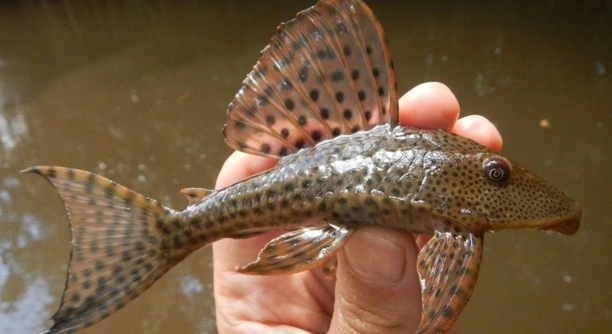
Is your pleco hiding in the filter, leaving you puzzled about its behavior? This is a common concern among aquarium enthusiasts. Plecos, known for their peaceful nature, may exhibit hiding behavior for various reasons in your tank.
The most common reason plecos hide in filters is due to stress or seeking a secure environment. Filters often provide a quiet, sheltered space that mimics their natural hiding spots. Changes in water conditions or tankmates can also cause this behavior.
Understanding the factors that lead to this hiding can help you create a more comfortable environment for your pleco. With a few adjustments, your pleco’s behavior can improve, ensuring a peaceful and thriving aquarium.
Why Do Plecos Seek Shelter in Filters?
When it comes to plecos, hiding behavior is often linked to their need for security. These fish are naturally reclusive, preferring spaces where they can feel safe. Filters in aquariums create a calm and hidden spot, especially for plecos that are feeling stressed or threatened. If your pleco hides in the filter frequently, it may be seeking protection. Environmental factors like water quality, temperature, or the presence of aggressive tankmates can cause your pleco to retreat to these secluded areas. It’s important to remember that plecos are nocturnal and naturally more active at night, further explaining why they might choose hidden spots for rest during the day.
A pleco hiding in the filter might be telling you that something is wrong with the tank. This behavior can signal that the fish is feeling overwhelmed by its surroundings.
To improve the situation, consider adjusting your tank setup. If there are no hiding places besides the filter, your pleco may be turning to it as a last resort. Adding more decorations or plants can create additional hiding spots, allowing your pleco to feel more secure.
Water Quality and Tank Environment
Water quality is another key factor in pleco behavior. Plecos are sensitive to changes in water parameters, such as pH, ammonia, and nitrate levels. If the water is too dirty or has fluctuating conditions, your pleco may feel stressed and seek shelter in the filter. Regular water changes, proper filtration, and monitoring water conditions can help keep your pleco healthy and comfortable.
Maintaining water quality also promotes overall well-being. If your pleco seems to be hiding frequently, ensure the filtration system is functioning well and that the water is clean. Using a reliable test kit to check water parameters helps you stay ahead of potential problems.
In addition to water quality, the temperature in the tank should be stable. Plecos typically thrive in temperatures ranging from 72°F to 78°F. If the water is too cold or too hot, it could cause your pleco to retreat to a safer, quieter space like the filter. Make adjustments as needed to maintain the ideal conditions for your fish.
Stress from Tankmates
Plecos are peaceful fish and can easily become stressed when introduced to more aggressive tankmates. Tankmates that are overly territorial or constantly chasing the pleco can drive it to hide. A stressed pleco may retreat to secluded spots, like the filter, to escape aggression. If your pleco hides often, consider evaluating its companions in the tank.
Aggressive species can make the pleco feel unsafe, especially in smaller tanks where hiding places are limited. If you have fish that tend to pick on others or are known for territorial behavior, removing or separating them can make a big difference. Plecos are less likely to hide if they feel comfortable with their tankmates.
A peaceful tank environment benefits all fish. If you notice your pleco consistently hiding, check to see if it’s being harassed. In larger setups, give your pleco enough space to retreat, reducing stress and encouraging natural behavior. A balanced, peaceful tank helps reduce hiding tendencies.
Tank Size and Layout
Plecos are known to grow large, so tank size plays a crucial role in their comfort. A cramped tank can lead to stress and cause a pleco to seek refuge in the filter. Ensuring your pleco has enough space is key to reducing hiding behavior.
In addition to tank size, the layout is important. If there aren’t enough hiding places or hiding spots are limited, your pleco may choose the filter for comfort. Adding more decorations, caves, and plants can give your pleco the option to hide without relying solely on the filter. Plecos also enjoy having open areas to swim and explore, which promotes healthy behavior.
Space allows plecos to feel less confined and more at ease. When you upgrade or rearrange your tank, be mindful of the fish’s need for both shelter and open swimming areas. With enough room, your pleco will feel more secure and less likely to seek refuge in the filter.
Changes in Water Temperature
Water temperature fluctuations can make plecos feel uncomfortable, causing them to seek shelter in filters. Plecos prefer stable temperatures, typically between 72°F and 78°F. If the tank is too hot or cold, the pleco may hide to avoid stress. Consistency is key for keeping your pleco relaxed.
Ensure your heater is functioning properly and that the temperature remains stable. Sudden drops or spikes in temperature can stress your pleco and encourage hiding behavior. Installing a thermometer can help monitor fluctuations. A steady, comfortable environment helps plecos thrive and feel more secure in their tank.
Poor Water Flow
Plecos are bottom dwellers and enjoy areas with gentle water flow. If the filter’s water flow is too strong, it can create an environment where your pleco feels vulnerable. While plecos like hiding, they also appreciate areas where they can comfortably rest without the force of strong currents.
Consider adjusting the filter to reduce its strength or adding decorations to block the flow near the filter area. Plecos are likely to hide if the current is overwhelming, and ensuring a calm space will encourage healthier behavior. You can also use sponge filters to reduce water movement.
Lighting Issues
Lighting can affect a pleco’s comfort and activity levels. Some plecos are more sensitive to bright lights, which can make them hide during the day. A dimmer or more natural lighting setup can help your pleco feel more at ease. Avoid harsh or constant bright lighting.
FAQ
Why does my pleco hide so much?
Plecos are naturally shy and reclusive fish. If your pleco is hiding frequently, it’s likely due to stress, discomfort, or a need for security. Factors like poor water quality, aggressive tankmates, and inadequate hiding spots can lead to this behavior. Ensuring that the tank is well-maintained and providing enough hiding places can help reduce stress and encourage your pleco to feel more secure.
Can plecos hide too much?
Yes, excessive hiding can indicate that your pleco is stressed or unwell. While plecos enjoy retreating to dark or sheltered areas, they should also come out to explore and eat. If your pleco is hiding for extended periods, check for any issues in the tank environment, such as water conditions, temperature, or tankmates.
Is my pleco hiding because it’s sick?
Hiding can sometimes be a sign that your pleco is sick. If your pleco is hiding more than usual and also shows signs of lethargy, loss of appetite, or abnormal swimming behavior, it could be a health issue. Make sure to inspect the fish for any physical symptoms, such as sores, fin damage, or unusual markings, and check water quality to rule out environmental factors.
How do I know if my pleco is stressed?
Stress in plecos is often marked by hiding, lethargy, and loss of appetite. If your pleco is constantly hiding and not eating, this is a clear sign of stress. Aggressive tankmates, poor water quality, and changes in the tank environment can all contribute to stress. Make sure your tank setup is peaceful and well-maintained to reduce these stress factors.
How can I reduce my pleco’s stress?
To reduce stress, make sure your pleco has enough space, hiding places, and appropriate tankmates. Keep water conditions stable and clean, and maintain the right temperature. If your pleco is stressed due to aggressive fish, consider moving them to a separate tank or rearranging the tank to create more territories. Providing plants, caves, and decorations can also help give your pleco a sense of security.
Is it normal for plecos to hide in filters?
Yes, plecos often hide in filters, especially if the tank is lacking adequate hiding spots or if they feel stressed. Filters offer a dark, secluded space where plecos can rest safely. However, if your pleco is constantly hiding in the filter, it may indicate that there’s an issue in the tank, such as poor water quality or aggressive tankmates.
How can I make my pleco more comfortable?
Ensure your pleco has enough space and hiding spots. Adding caves, plants, and decorations will give your pleco options for safe hiding places. Monitor water conditions regularly, and ensure the temperature is stable. Keeping the tank environment calm and peaceful will help your pleco feel more comfortable and reduce hiding behavior.
Should I change my pleco’s tankmates?
If your pleco is hiding because of aggressive tankmates, it may be necessary to change its companions. Plecos do well with peaceful fish, but they may hide or become stressed if housed with territorial or aggressive species. Consider removing any aggressive fish or providing more space to reduce tension in the tank.
Can plecos survive in small tanks?
While plecos can survive in smaller tanks for a while, they generally need more space as they grow. A tank that’s too small can cause stress and lead to hiding behavior. It’s recommended to provide at least a 30-gallon tank for smaller pleco species and larger tanks for bigger varieties. The more space, the better for your pleco’s overall health and comfort.
Is my pleco hiding because the water is too cold?
Cold water can make plecos uncomfortable, leading them to seek warmer, sheltered spots. Plecos thrive in water temperatures between 72°F and 78°F. If the tank is too cold, your pleco may hide to conserve energy. Use a reliable heater to maintain the appropriate water temperature and check the tank regularly with a thermometer.
Can plecos hide in other places besides the filter?
Yes, plecos can hide in other places, such as caves, plants, or behind decorations. If your pleco is constantly hiding in the filter, consider adding more options for hiding spots. Plecos enjoy having a choice of where to rest, and adding caves or plant clusters can give them the security they seek without relying on the filter.
What should I do if my pleco won’t come out?
If your pleco refuses to come out, check the water conditions, tankmates, and overall setup. It could be a sign of stress, illness, or discomfort. Adjust the water temperature, clean the tank, and ensure that there are enough hiding places. If the behavior persists, consider consulting with a veterinarian to check for health issues.
How do I ensure my pleco’s health?
Maintain a clean and stable environment with regular water changes. Ensure the tank has plenty of hiding places, and monitor your pleco for any signs of illness. Keep the temperature steady, and check for any stressors like aggressive tankmates or poor water quality. A balanced diet and a peaceful tank will keep your pleco healthy.
Final Thoughts
Understanding why your pleco is hiding in the filter is essential to ensuring its well-being. While it is normal for plecos to seek out dark, quiet spaces, excessive hiding can indicate an underlying problem. Stress, poor water quality, or an uncomfortable environment are often the main culprits. By addressing these factors, you can create a more suitable habitat for your pleco, encouraging it to feel secure and healthy.
It’s important to consider the water quality in your tank. Plecos are sensitive to changes in their environment, and poor water conditions can cause them to hide as a way of coping with stress. Regular water changes, proper filtration, and monitoring the tank’s temperature will help keep your pleco comfortable. Ensuring your pleco has enough space and suitable hiding places will also reduce stress and encourage natural behaviors. A well-maintained tank with a stable environment can make a significant difference in how your pleco behaves.
Finally, consider your pleco’s tankmates. Aggressive or territorial fish can stress out your pleco, leading to hiding in secluded spots like the filter. If you notice that your pleco is constantly hiding or not interacting with the rest of the tank, it may be worth rearranging the tank or introducing more peaceful companions. A calm and safe environment is crucial to your pleco’s happiness, and it will encourage more active and healthy behavior. By carefully monitoring the tank and addressing potential stressors, you can ensure that your pleco thrives in its environment.

Hello,
If you enjoy the content that we create, please consider saying a "Thank You!" by leaving a tip.
Every little bit helps us continue crafting quality advice that supports the health, happiness, and well-being of pets around the world, for pets of all shapes, sizes, and species.
We really appreciate the kindness and support that you show us!