
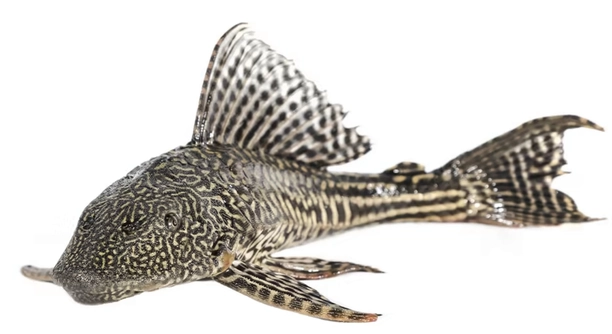
Is your pleco floating near the top of the tank and you are unsure why? This behavior can signal several underlying issues that are important to address for the health of your fish.
Plecos may float near the surface due to swim bladder issues, which affect their buoyancy. Other causes could include poor water conditions, stress, or overfeeding. Identifying and correcting these factors is essential for maintaining your pleco’s well-being.
Understanding why your pleco is floating at the top can help prevent further problems and ensure its comfort in the tank.
Possible Causes for Plecos Floating at the Top
If your pleco is floating near the surface, it may be suffering from swim bladder disorder. The swim bladder is responsible for regulating buoyancy. When it doesn’t function correctly, your pleco may struggle to stay submerged. Poor water quality can also trigger this issue, especially if the tank isn’t properly filtered or if ammonia levels are too high. Stress is another common factor that might cause your pleco to behave this way. If your pleco is new to the tank or if it’s in a crowded environment, it may feel overwhelmed. Overfeeding is another reason for buoyancy problems, as too much food can lead to constipation or an enlarged belly, which affects the swim bladder’s function. Ensuring the tank is clean and the water parameters are stable is crucial to preventing these issues. Proper feeding habits, along with a stress-free environment, will help keep your pleco healthy and happy.
Tank maintenance plays an important role in the well-being of your pleco. Regular water changes and monitoring ammonia and nitrite levels are essential. These simple steps can prevent most issues that lead to your pleco floating near the top.
For swim bladder issues, you can try adjusting the temperature or feeding your pleco less often to see if the situation improves. If problems persist, consider consulting an aquarium professional for a more specific treatment plan tailored to your pleco’s needs. Regular care and observation will help you identify issues before they become serious health risks.
How Overfeeding Affects Your Pleco
Overfeeding is a common problem that often leads to bloating and floating issues in plecos. When a pleco consumes too much food, it can cause an imbalance in their digestive system, leading to constipation or a swollen belly. This, in turn, affects the swim bladder, making it difficult for the pleco to maintain buoyancy. Plecos have slow metabolisms and should be fed only what they can consume in a few minutes to prevent any digestive problems.
Overfeeding can also contribute to water quality issues, as uneaten food breaks down in the tank, raising ammonia levels. This further stresses the fish and can lead to other health problems. Maintaining a proper feeding schedule is key to keeping your pleco’s digestion healthy.
Feeding your pleco an appropriate amount of food is vital to prevent issues related to swim bladder disorder. If your pleco continues to float after adjusting its diet, check the water quality and make sure the filtration system is effective. Regular water tests and proper feeding habits will help ensure a healthy environment for your pleco.
Poor Water Conditions
If your pleco is floating at the top, poor water quality may be a contributing factor. High ammonia or nitrite levels can stress your fish, causing abnormal behavior. Regular water testing is essential to ensure the tank remains healthy and safe for your pleco.
Maintaining a clean tank with proper filtration is necessary to prevent water conditions from deteriorating. Over time, waste and uneaten food can increase harmful substances in the water. Weekly water changes, along with a filter that matches your tank size, can greatly reduce the chances of swim bladder issues.
In addition to ammonia and nitrite, pH levels should be kept within the appropriate range for your pleco species. Sudden fluctuations in water temperature or pH can also cause stress, further contributing to buoyancy problems. Regularly checking the water quality will give you a better understanding of any potential imbalances.
Stress and Overcrowding
Stress can play a significant role in abnormal pleco behavior, including floating near the surface. A stressed pleco may exhibit erratic swimming patterns, including staying at the top of the tank. High stress levels can stem from overcrowding, sudden environmental changes, or aggressive tank mates.
A pleco’s natural behavior is often disrupted when it feels threatened or overwhelmed. In crowded tanks, your pleco might find it difficult to find its own space, leading to increased stress. Creating a peaceful environment, with plenty of hiding spots, can help your pleco feel secure.
Aggressive fish can also add to the stress, as they may chase or nip at the pleco, leading it to stay near the top for safety. Reducing the number of aggressive fish or introducing more hiding places can help minimize these issues. Stress-free conditions are essential for a pleco’s health and well-being.
Overfeeding and Constipation
Overfeeding can lead to bloating and swim bladder problems in plecos. When they consume more food than they can handle, it causes digestive issues, affecting their buoyancy. Feeding them the right amount is essential to prevent these complications.
Excess food that isn’t eaten breaks down in the tank, impacting water quality and causing further stress to your pleco. A proper feeding routine can help reduce these risks. Feed small portions of food that your pleco can consume within a few minutes. This keeps them healthy without overloading their system.
Water Temperature and Temperature Fluctuations
Water temperature plays a crucial role in your pleco’s health. If the water is too cold, it can slow down their metabolism, leading to digestive issues and swim bladder problems. On the other hand, overly warm water can cause stress and even affect buoyancy.
Maintaining a consistent water temperature is important for preventing these issues. Use a reliable aquarium heater to ensure the water remains at the proper temperature range for your pleco. Rapid temperature fluctuations can also stress your fish, so it’s best to monitor it regularly.
FAQ
Why is my pleco floating near the top?
Plecos often float at the top of the tank due to swim bladder issues. This condition affects buoyancy, making it hard for them to stay submerged. Overfeeding, poor water quality, and stress are common causes of this behavior. If your pleco is consistently floating near the top, it’s important to check the water parameters, reduce feeding, and assess whether the tank environment is too stressful.
What is swim bladder disorder, and how can I fix it?
Swim bladder disorder is a condition where the fish’s swim bladder doesn’t function properly, causing buoyancy problems. It can be caused by overfeeding, constipation, or stress. To fix it, you should stop feeding your pleco for a few days to allow their digestive system to clear. You can also try feeding them a cooked, skinned pea to help relieve constipation. In severe cases, consult an aquarium expert for further treatment options.
Can poor water quality cause my pleco to float at the top?
Yes, poor water quality can cause your pleco to float at the top. High ammonia, nitrite levels, or an unstable pH can lead to stress and health issues for your fish, including swim bladder problems. Regular water testing and water changes are essential for maintaining a healthy environment for your pleco. Make sure your tank’s filtration system is effective and appropriately sized.
How can I prevent overfeeding my pleco?
Overfeeding your pleco can lead to digestive issues like constipation, which may affect their buoyancy. To prevent overfeeding, offer small portions of food that your pleco can consume in a few minutes. Remove any uneaten food after feeding to prevent it from decomposing and polluting the tank. Feed your pleco once or twice a day, depending on their size and needs.
Is stress the reason why my pleco is floating?
Stress is a common cause of abnormal pleco behavior, including floating at the top. Overcrowding, aggressive tank mates, and sudden changes in the environment can stress out your pleco. Make sure your pleco has plenty of hiding spots and a peaceful environment. Keeping the tank conditions stable and providing a calm space will help reduce stress and improve your pleco’s behavior.
Can temperature fluctuations cause my pleco to float at the top?
Yes, temperature fluctuations can cause stress to your pleco, leading to swimming issues, including floating at the top. A sudden drop or rise in temperature can affect their metabolism and digestive system. It’s important to maintain a consistent water temperature. Use a reliable aquarium heater and monitor the temperature regularly to avoid any drastic changes.
Should I be worried if my pleco is floating all the time?
If your pleco floats near the surface consistently, it’s worth investigating the possible causes. It may be a sign of an underlying health issue, such as swim bladder disorder, poor water conditions, or stress. Check the water quality, adjust the feeding schedule, and observe your pleco’s behavior closely. If the issue persists, consider consulting a professional.
How often should I check the water quality for my pleco?
You should check the water quality at least once a week. Testing for ammonia, nitrite, nitrate, and pH levels will help ensure that the environment is safe for your pleco. More frequent testing may be necessary if you notice any signs of stress or health issues in your pleco. Regular maintenance is crucial for preventing problems.
How can I treat constipation in my pleco?
To treat constipation, you can fast your pleco for a few days to allow their digestive system to clear. After that, try feeding them a cooked and skinned pea, which is known to help with digestion. Avoid overfeeding and remove any leftover food after feeding to prevent future issues. If constipation persists, consider consulting an aquarium expert for advice.
What water temperature is best for plecos?
Plecos thrive in water temperatures between 72-82°F (22-28°C). Maintaining a consistent temperature within this range helps support their metabolic and digestive functions. Use an aquarium heater to regulate the temperature and avoid sudden fluctuations. Plecos are sensitive to temperature changes, so regular monitoring is important for their health.
Can overcrowding cause my pleco to float?
Yes, overcrowding can cause your pleco to float near the surface. In a crowded tank, plecos may feel stressed and may struggle to find enough space to swim comfortably. This can lead to behavioral changes, including floating. Ensure your tank is appropriately sized for the number of fish you have and provide plenty of hiding spots to reduce stress.
What are the signs of swim bladder disorder?
The main sign of swim bladder disorder is abnormal buoyancy. Your pleco may float at the top or struggle to stay submerged. They may also appear to swim sideways or upside down. If you notice these symptoms, check your pleco’s diet, water conditions, and stress levels. If the symptoms persist, it may be necessary to seek professional help.
Can plecos recover from swim bladder disorder?
Yes, many plecos can recover from swim bladder disorder with the proper treatment. Addressing the root cause, such as overfeeding or poor water quality, can often resolve the issue. In some cases, fasting for a few days or feeding peas can help relieve constipation, which is a common cause. If the problem persists, consult a veterinarian with experience in fish care.
How can I improve my pleco’s diet?
A balanced diet is crucial for keeping your pleco healthy. Offer a variety of foods such as algae wafers, vegetables (like zucchini or cucumber), and occasional protein sources like bloodworms or brine shrimp. Avoid overfeeding, and remove any uneaten food promptly to prevent water quality issues. A proper diet supports digestion and overall health.
What should I do if my pleco continues to float after adjustments?
If your pleco continues to float despite making changes to its diet, water conditions, and environment, it may be time to consult an aquarium specialist. There could be an underlying health issue that needs to be addressed. A professional can help diagnose the problem and recommend appropriate treatments for your pleco.
Final Thoughts
Dealing with a pleco that is floating near the top of the tank can be concerning, but it’s important to understand the various reasons this behavior might occur. Factors like overfeeding, poor water quality, and stress can all contribute to this issue. When addressing the problem, it’s essential to examine all aspects of your pleco’s environment and care routine. Making adjustments to feeding schedules, water parameters, and tank conditions is the first step toward improving your pleco’s health.
Monitoring water quality regularly is crucial in keeping your pleco happy and healthy. Consistent water changes, proper filtration, and maintaining stable temperatures are all essential. By ensuring your pleco’s environment is optimal, you reduce the likelihood of health issues, including floating near the surface. In addition, offering a balanced diet and avoiding overfeeding will help prevent digestive issues like constipation and swim bladder problems. Your pleco’s well-being depends on the care you provide, so always pay attention to the small details.
While floatation issues can often be managed with a few simple changes, there may be times when professional assistance is needed. If the problem persists despite making necessary adjustments, consulting a fish expert or veterinarian can help pinpoint the underlying cause. They can offer specific advice and treatment options. By being proactive and attentive to your pleco’s needs, you’ll increase the chances of a quick recovery and ensure they live a long and healthy life in your aquarium.

Hello,
If you enjoy the content that we create, please consider saying a "Thank You!" by leaving a tip.
Every little bit helps us continue crafting quality advice that supports the health, happiness, and well-being of pets around the world, for pets of all shapes, sizes, and species.
We really appreciate the kindness and support that you show us!