
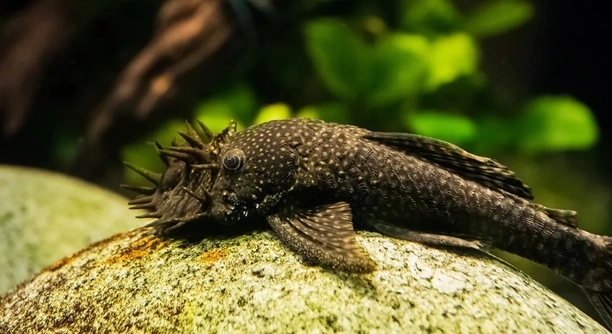
Plecos are fascinating aquarium fish, known for their unique behavior and helpful nature. If you’ve noticed your pleco digging in the gravel, you may be wondering what’s going on. Let’s explore the reasons behind this behavior.
Plecos often dig in the gravel to search for food, establish territory, or improve their environment. They may also dig to help keep their digestive system functioning by uncovering hidden food particles or breaking down detritus.
Understanding why your pleco digs can offer insight into its health and well-being. By learning more about its behavior, you can help maintain a happy, healthy aquarium environment for your fish.
Reasons for Digging in Gravel
Plecos are naturally curious creatures. They spend time exploring their surroundings, and digging is a way for them to search for food or make themselves comfortable. If you’ve ever seen your pleco digging in the gravel, it’s most likely looking for tiny food particles that have settled there. They are bottom dwellers and are constantly on the lookout for anything to nibble on. It’s a behavior that comes naturally to them and plays a significant role in their health.
Though it might seem like random digging, plecos are instinctively trying to keep their environment clean. They may move gravel around to uncover bits of food or detritus, helping to maintain a balanced ecosystem in your tank. This digging process can also help aerate the substrate, which in turn benefits the tank’s water quality. This natural behavior is an important part of their routine.
In some cases, plecos dig to establish territory. If there are other fish in the tank, they may try to carve out a space of their own by rearranging the gravel. This is particularly common in tanks where there are multiple plecos or other bottom-dwelling species.
Is Your Pleco Hungry?
Sometimes, plecos dig in search of food.
Plecos are scavengers by nature, and they will search for food in all corners of the tank. If your pleco is digging, it might not be getting enough to eat from the surface. They often eat algae, but they also enjoy sinking pellets, vegetables, and other food sources that may be stuck in the gravel. If your pleco seems to dig constantly, try feeding it more variety. This might help satisfy its hunger and stop the constant digging behavior.
Exploring Other Possible Reasons
Aside from searching for food, plecos may dig for other reasons. They may be trying to create a more suitable environment. Plecos have specialized suckermouths, allowing them to attach to surfaces, but they sometimes prefer digging to create a comfortable hiding spot. It’s also possible that digging is a response to feeling stressed or needing to seek shelter.
This behavior could indicate that your pleco needs more hiding places in the tank. Adding rocks, caves, or other structures could reduce its need to dig for comfort. If there’s not enough cover, your pleco might resort to moving the gravel around in search of a better place to rest. Make sure to maintain proper tank conditions, as stress can lead to unusual behaviors like excessive digging.
Tank Environment and Pleco Digging
Your pleco’s environment can greatly influence its digging habits. If the substrate is too coarse or too fine, it might irritate your pleco, causing it to dig in search of comfort. A substrate that is too rough can cause physical harm, while very fine gravel may encourage excessive digging.
Plecos prefer a tank with plenty of hiding spots and smooth, well-maintained gravel. They need enough space to swim and explore. If your tank has areas with sharp objects or not enough space to hide, your pleco might dig to find a safe and suitable space. Keeping the tank clean and adding smooth rocks or caves can help reduce this behavior. You’ll also want to check that the water parameters, like temperature and pH, are stable to avoid causing stress.
If the tank isn’t set up well, your pleco may feel uncomfortable, and digging could become a way to escape from that discomfort. Ensuring the right tank setup is crucial for your pleco’s well-being.
Overcrowding and Stress Factors
Overcrowding can lead to stress, which might make your pleco dig more often. When there are too many fish in the tank, your pleco may feel the need to create its own space by rearranging the gravel. This stress can affect your pleco’s health.
Stress can manifest in other ways, too. If plecos are housed with aggressive tankmates or in tanks without enough hiding spots, they may begin to dig more as a way to cope. In addition to overcrowding, environmental factors like sudden changes in temperature or water quality can trigger this behavior. If you notice more digging than usual, it might be time to reevaluate the stocking levels and general setup of your tank to reduce stress.
Proper tank maintenance and considering the needs of all your fish can create a peaceful, stable environment that minimizes stress and digging.
Pleco Digging and Health Concerns
If your pleco is digging excessively, it could be a sign of an underlying health issue. Fish sometimes exhibit unusual behaviors when they’re feeling unwell, and digging may be one of them. Pay attention to any other signs of distress.
Parasites, injuries, or digestive problems could cause discomfort, making your pleco dig more than usual. When a pleco isn’t feeling well, it might dig to find a more comfortable position or attempt to self-soothe. If your pleco’s behavior changes suddenly or if it’s showing signs like loss of appetite, cloudy eyes, or abnormal swimming, it’s best to consult an aquarium professional to rule out any health problems.
A change in eating habits or activity levels can also signal a health issue, and digging could be one symptom to watch for. Keeping your pleco healthy involves regular water changes, a balanced diet, and monitoring for illness.
Digging as a Breeding Behavior
Sometimes, plecos dig as part of their mating behavior. Males will often rearrange gravel or substrates to create a nesting area for eggs. This can be a natural part of the breeding cycle.
Breeding plecos may exhibit different digging patterns compared to their usual behaviors. They can spend more time digging and preparing specific spots where they want to lay eggs. If you notice digging in a specific area, it could be a sign that your pleco is trying to establish a breeding space. If you have both males and females in the tank, this might be part of their natural reproductive process.
Solutions to Prevent Digging
If the digging becomes excessive, there are a few simple solutions you can try. First, ensure your tank has enough hiding spots for your pleco to feel secure. Adding caves or plants may reduce the need for digging.
You can also adjust the type of substrate in the tank. Avoid sharp or overly fine gravel that might irritate your pleco. Instead, opt for smooth, larger gravel or sand. This way, your pleco can still dig comfortably without causing harm to itself. Regular water changes and a balanced diet also help to reduce stress and keep your pleco healthy.
FAQ
Why does my pleco dig at night?
Plecos are nocturnal creatures, meaning they’re most active during the night. They often dig at night to search for food or to find a comfortable hiding spot. The quieter, darker environment gives them a sense of security, allowing them to explore more freely. If your pleco digs primarily at night, it’s likely just following its natural behavior.
Can plecos hurt themselves while digging?
It’s possible for plecos to injure themselves if they dig in a substrate that’s too rough or contains sharp objects. If your pleco digs into gravel that has sharp edges, it could cause scratches or cuts, particularly around its sensitive mouth area. To prevent this, make sure the gravel in your tank is smooth and not overly sharp. You might want to consider using sand or larger, rounded gravel, which is safer for their delicate bodies.
Does digging mean my pleco is stressed?
Not necessarily. Digging can be a natural and healthy behavior, especially if your pleco is looking for food or creating a hiding spot. However, if your pleco is digging excessively or seems to be doing so as a reaction to other stressors, it could be a sign of discomfort. Stress in plecos can be caused by overcrowding, poor water quality, or lack of hiding places. If the digging becomes excessive and is accompanied by other signs of stress, such as unusual swimming patterns or loss of appetite, it may be worth investigating further.
How can I stop my pleco from digging?
If the digging is causing problems or seems excessive, you can try several methods to reduce it. First, ensure your tank is properly stocked with hiding spots and caves. Plecos feel safer when they have places to retreat to. You can also switch to a smoother substrate, like sand or rounded gravel, to make digging less irritating. Additionally, make sure your pleco is getting enough food, as it may be digging to search for more. Proper tank maintenance, including regular water changes, can help alleviate any stress that might be causing excessive digging.
Does digging mean my pleco is trying to breed?
Yes, plecos sometimes dig as part of their mating behavior. Male plecos often dig to create a suitable nesting area for eggs. If you notice a lot of digging and rearranging in one area, it might be a sign that your pleco is trying to establish a breeding site. This is especially likely if you have a male and female pleco in the tank. During breeding, males may dig out specific spots in the substrate to create a safe place to lay eggs, and the female will deposit them there. Afterward, the male may guard the area and continue digging to maintain the nesting spot.
Why does my pleco keep digging in the same spot?
If your pleco is repeatedly digging in the same spot, it’s likely looking for food or trying to establish a territory. Plecos are bottom feeders, and they often dig in the gravel to uncover hidden food or detritus. They might also dig in a specific spot if it offers them a place to rest or hide. If the spot is near the filtration system or in a particular corner of the tank, it may be because that area offers some comfort or security for your pleco.
Can plecos dig up plants?
Yes, plecos can sometimes dig up plants, especially if they’re looking for food or trying to rearrange the tank. This is particularly true in tanks with softer, less established plants. Plecos may disturb the substrate in the process of digging, leading to uprooted plants. To minimize this, ensure your plants are securely rooted or try placing them in heavier pots that won’t easily be disturbed by digging. You can also add hardy plants that are less likely to be affected by the pleco’s digging behavior.
Do plecos need a specific type of substrate for digging?
While plecos can dig in many types of substrates, they generally prefer softer, more natural materials like sand or rounded gravel. Coarse, jagged gravel can cause discomfort or injury, so it’s best to avoid using it in a pleco tank. Sand allows plecos to dig and sift through it more naturally without risking injury, while smooth, larger gravel provides a safe environment for their digging behavior. Make sure the substrate is deep enough to allow for digging, but not so deep that it poses a risk of creating harmful anaerobic pockets.
Should I worry if my pleco digs all day?
If your pleco is digging all day, it could be a sign of stress, boredom, or an issue with its environment. Plecos are naturally active at night but should have periods of rest during the day. If they’re digging excessively during daylight hours, it might indicate that they’re not feeling secure or that they’re searching for food. Ensure your tank is well-planted, has enough hiding spots, and that the water conditions are stable. A varied diet and proper tank maintenance will also help ensure your pleco’s well-being.
How do I know if my pleco is digging for food or just for fun?
It’s usually easy to tell if your pleco is digging for food. If you notice your pleco consistently digging in areas where food might have fallen, such as near the substrate or filter intake, it’s likely looking for something to eat. On the other hand, if your pleco is rearranging the substrate without showing interest in food, it might be digging for comfort or trying to create a nesting site. Pay attention to any changes in your pleco’s eating habits, as it might indicate whether it’s hungry or just engaging in natural behavior.
Final Thoughts
Plecos are fascinating fish, and their behavior can sometimes be puzzling, especially when it comes to digging in the gravel. While digging is a natural instinct for them, it can also be a sign of stress, hunger, or a need to create a more comfortable environment. Understanding why your pleco is digging can help you better care for it and ensure its well-being. It’s important to observe its behavior carefully, noting whether it’s occasional digging or a constant habit. Excessive digging could indicate a problem with the tank environment, such as poor water quality, lack of hiding spots, or an overcrowded tank.
If your pleco is digging because it’s looking for food, consider providing a more balanced diet or hiding some food in the gravel for it to uncover. Plecos are bottom feeders by nature, and they’re always searching for small particles in the substrate. Providing a variety of food, including sinking pellets and vegetables, can help prevent your pleco from over-digging in search of food. It’s also essential to maintain a clean environment. Regular water changes and proper tank maintenance will reduce stress and help your pleco feel more comfortable in its space.
Overall, plecos dig for a variety of reasons, some of which are completely normal. However, if you notice excessive or unusual digging patterns, it may be worth investigating further. Checking the tank setup, water quality, and diet will help ensure your pleco is healthy and happy. With proper care, your pleco will continue to thrive and engage in its natural behavior, keeping your aquarium balanced and beautiful.

Hello,
If you enjoy the content that we create, please consider saying a "Thank You!" by leaving a tip.
Every little bit helps us continue crafting quality advice that supports the health, happiness, and well-being of pets around the world, for pets of all shapes, sizes, and species.
We really appreciate the kindness and support that you show us!