
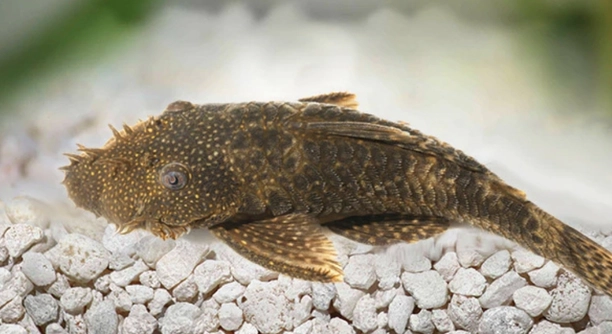
If you’ve ever noticed your pleco climbing the glass of your aquarium, you might wonder why this behavior occurs. Plecos are fascinating creatures with unique habits, and understanding them can help you create a healthier environment.
Plecos may climb the glass due to various reasons such as seeking food, exploring their environment, or experiencing stress. This behavior is often linked to their natural instincts to search for algae and maintain physical well-being.
Understanding the reasons behind this behavior will help you better care for your pleco. By ensuring its environment is comfortable and its needs are met, you can address the cause and promote a healthier, happier fish.
Why Do Plecos Climb the Glass?
Plecos are known for their unique behaviors, and climbing the glass can be one of them. It might seem strange, but this is a natural part of their curiosity and instinct. In the wild, they are often seen climbing rocks, logs, and other surfaces. This climbing helps them find food and explore their surroundings. When they are in an aquarium, they may climb the glass for similar reasons. It could also be a way for them to interact with their environment in the limited space of a tank. While this behavior is normal, it’s important to understand the reasons behind it to ensure your pleco’s health and comfort.
Sometimes, climbing can also indicate that your pleco is feeling stressed. If the water quality isn’t ideal or the tank feels too cramped, it may try to escape or find more space by scaling the glass. Ensuring that your pleco has enough room to move and hide can help reduce stress.
If you notice your pleco climbing the glass often, check the tank’s size and water parameters. Plecos need plenty of space to swim and explore, so a cramped tank can lead to behavior changes. Adding decorations, like driftwood or plants, can also give them more surfaces to climb on. This helps your pleco feel more at home in its environment, reducing the need for glass climbing. Keeping the tank clean and maintaining good water conditions will also contribute to your pleco’s well-being, making it less likely to act out due to stress.
Can Glass Climbing Be Harmful?
In most cases, climbing the glass is harmless, but if it becomes frequent, it could indicate an issue. The tank’s conditions may need adjusting, or your pleco may be seeking more stimulation.
If your pleco constantly climbs the glass, it might be a sign that the tank needs some changes. Adding more hiding spots, like caves or plants, can provide security. A pleco’s well-being depends on its environment, and a little effort can go a long way in ensuring it feels safe.
Tank Size and Space
A cramped tank is a common reason for your pleco climbing the glass. Plecos can grow large, and they need plenty of space to swim. If your tank is too small, they may try to escape or seek out more room by climbing the sides.
Make sure your tank is large enough to accommodate your pleco’s size. For most species, a tank should be at least 75 gallons. Smaller tanks may not only cause climbing but can also lead to stress and health issues. Plecos need swimming space and the freedom to explore. If your pleco is feeling cramped, it might look for any way to get out, including climbing the glass. A larger tank can solve many problems and improve your pleco’s quality of life.
Water Quality and Chemistry
Plecos are sensitive to poor water quality, which can cause stress and lead to odd behaviors like climbing. Regularly check your tank’s water parameters, such as pH, ammonia levels, and temperature. If the water is too polluted, your pleco may climb the glass to escape the uncomfortable conditions.
Good water quality is crucial to your pleco’s health. Ensure the tank’s filtration system works properly, and perform regular water changes. Clean the substrate and remove excess food that can degrade water quality. Plecos produce a lot of waste, so maintaining a proper filtration system is key to preventing stress. A pleco that’s constantly in suboptimal water conditions may begin climbing the glass to search for a cleaner, more comfortable environment. Keeping your tank clean and the water well-maintained can significantly reduce this behavior.
Tank Decorations and Hiding Spots
Adding decorations like driftwood, caves, and plants can help reduce glass climbing. Plecos love to hide, and without adequate spots to do so, they may try to escape or explore by climbing.
Providing enough places to hide will make your pleco feel secure. When they have somewhere to retreat, they’re less likely to climb the glass out of stress. It also adds enrichment to their environment, which can help with their well-being. You can use a variety of natural decorations to mimic their natural habitat and encourage healthier behavior.
Feeding Habits
Plecos may climb the glass in search of food. In some cases, they’re trying to reach algae growing on the tank or get closer to the food you’ve placed in the aquarium.
To prevent this behavior, ensure you feed your pleco at regular intervals and provide a variety of food. Algae wafers, vegetables, and other specially designed pleco food are important to keep them satisfied. Additionally, algae growth on tank surfaces can be managed to discourage them from climbing in search of it. Regular feeding will keep your pleco content and less focused on climbing for food.
FAQ
Why is my pleco climbing the glass all the time?
Your pleco could be climbing the glass due to a few reasons. It might be searching for food, exploring its environment, or feeling stressed. If the water quality is poor or the tank is too small, your pleco may climb the glass as an escape attempt. Providing more hiding spots and ensuring the tank is large enough for your pleco’s size can help reduce this behavior. Regular water changes and checking water parameters also play a crucial role in preventing stress and climbing.
Is it normal for my pleco to climb the glass occasionally?
Yes, it’s normal for a pleco to climb the glass occasionally. Plecos are naturally curious and may climb as they search for food or explore their surroundings. This behavior is especially common in larger tanks with less décor or hiding spots. However, if your pleco climbs the glass frequently, it could be a sign of stress or discomfort, and adjustments may be needed in the tank setup.
How can I stop my pleco from climbing the glass?
To stop your pleco from climbing the glass, make sure the tank is large enough for its size and provide plenty of hiding spots. Driftwood, caves, and plants can help your pleco feel more secure. Regular water changes and maintaining good water quality will reduce stress, which could also be causing the climbing. Proper feeding practices and preventing overgrowth of algae can further address the climbing issue.
Can I put anything in my tank to prevent my pleco from climbing the glass?
Adding decorations like rocks, caves, and plants can give your pleco more surfaces to explore and hide in, reducing the likelihood of climbing the glass. Plecos need physical structures to interact with, so providing ample decorations will satisfy their natural instincts to explore. Just be sure that the decorations are safe for your pleco and won’t harm them.
How often should I feed my pleco to prevent it from climbing the glass?
Feeding your pleco regularly can help prevent glass climbing. Plecos should be fed once or twice a day with food suited to their diet, such as algae wafers, vegetables, or specially formulated pleco food. A well-fed pleco is less likely to climb the glass in search of food. Additionally, ensure there’s always some algae growth in the tank, so your pleco can graze without the need to scale the glass.
Does my pleco need a filter to prevent climbing?
Yes, a good filter is essential in maintaining clean and healthy water, which helps reduce stress and prevents behaviors like climbing the glass. Plecos produce a lot of waste, and a filter helps remove excess particles and keeps the water quality high. Without proper filtration, your pleco may feel uncomfortable in the tank, leading to climbing as a sign of stress. Regular maintenance of the filter is also important to ensure it works efficiently.
Can water temperature affect my pleco’s climbing behavior?
Yes, water temperature can influence your pleco’s behavior. If the water is too warm or too cold, your pleco may feel stressed and start climbing the glass. Ensure that the temperature is within the ideal range for your pleco’s species, usually between 74°F and 80°F (23°C to 27°C). Temperature fluctuations can also cause stress, so keeping the tank stable is essential for your pleco’s well-being.
Is climbing the glass a sign of illness in my pleco?
Climbing the glass is not typically a sign of illness, but it can indicate stress or discomfort. If your pleco is climbing frequently, it’s more likely that the tank environment is not ideal, such as poor water quality or lack of space. However, if you notice other symptoms like lethargy, loss of appetite, or abnormal behavior, it’s best to check for signs of illness and consult with an aquatic vet.
How do I know if my pleco’s climbing behavior is normal or a problem?
If your pleco climbs the glass occasionally, it’s usually normal behavior. However, if the climbing becomes constant or is accompanied by other signs like poor appetite, lethargy, or hiding, it could indicate a problem. Check your water quality, tank size, and decorations to see if they meet your pleco’s needs. If the behavior persists or worsens, further investigation may be needed.
Does tank lighting affect my pleco’s climbing?
Yes, lighting can affect your pleco’s behavior. If the tank is too brightly lit, your pleco might become stressed and try to climb the glass in search of darker areas. Plecos are nocturnal and prefer dimmer lighting. Consider using low-intensity lighting or providing plenty of shaded areas with decorations to create a more natural environment for your pleco.
Can a pleco climb out of the tank?
While plecos are excellent climbers, they are unlikely to escape a properly covered tank. However, they might try to climb out if the tank’s lid isn’t secure, especially if they’re feeling stressed or cramped. It’s important to ensure the tank has a tightly fitting lid to prevent any accidental escapes.
Final Thoughts
Plecos are fascinating creatures, and their behavior can sometimes leave aquarium owners wondering what’s going on. Climbing the glass is one of the behaviors you might see, and while it can be concerning, it’s usually a natural part of their instincts. In many cases, they climb the glass in search of food, exploring their environment, or simply due to their curious nature. This behavior often occurs when there is a lack of hiding spots or natural surfaces to interact with in the tank. Plecos are bottom-dwellers, so providing decorations like driftwood, caves, or plants can help them feel more secure and reduce the likelihood of climbing.
Another important factor to consider is the water quality and temperature in your tank. Plecos are sensitive to changes in water conditions, and poor water quality can cause stress, making your pleco more likely to climb the glass in search of a better environment. Keeping the water clean by performing regular water changes and maintaining a reliable filtration system is essential for your pleco’s health. Additionally, make sure the water temperature is within the appropriate range to prevent your pleco from becoming uncomfortable. Stress from poor water conditions is a common cause of unwanted behaviors like climbing, so it’s crucial to address any issues promptly.
Lastly, don’t forget to feed your pleco properly and provide it with a balanced diet. Plecos are known to climb in search of food, especially if they’re hungry or if there’s a lack of algae in the tank. Regular feeding with a variety of foods like algae wafers, vegetables, and other pleco-specific foods can help prevent this behavior. A well-fed pleco will be less likely to climb the glass in search of food. By creating a tank environment that meets your pleco’s needs, including sufficient space, clean water, and proper nutrition, you can reduce stress and encourage healthy, natural behaviors.

Hello,
If you enjoy the content that we create, please consider saying a "Thank You!" by leaving a tip.
Every little bit helps us continue crafting quality advice that supports the health, happiness, and well-being of pets around the world, for pets of all shapes, sizes, and species.
We really appreciate the kindness and support that you show us!