
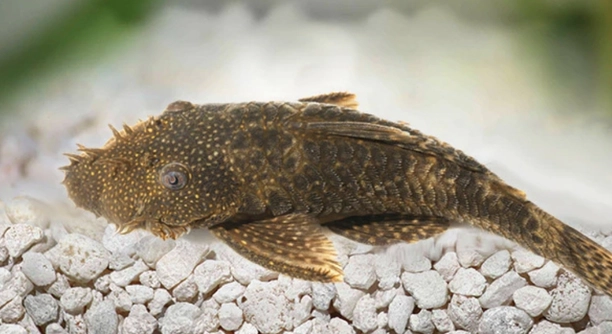
Is your pleco acting strange, sticking itself to the aquarium wall more than usual, and leaving you wondering if something is wrong?
The most common reason a pleco climbs the aquarium wall is due to natural behavior. Plecos are bottom-dwelling fish that explore surfaces for food and algae, often using their suction mouths to attach to glass and decor.
Understanding this behavior and what it could mean for your tank setup will help you care for your pleco more confidently and comfortably.
Common Reasons Your Pleco Is Climbing the Glass
Plecos often climb the glass because it helps them feed, rest, or explore. Their mouths are designed to stick to smooth surfaces, and they enjoy grazing on algae. If your tank has glass walls with algae buildup, your pleco is likely just feeding. Even in clean tanks, plecos may still attach to the glass simply to move around or rest. This behavior is also a sign they are active and feeling secure in their environment. Sometimes, it may look unusual, but it’s typically not a problem unless paired with signs of stress or poor health.
In smaller tanks or under poor lighting, plecos may climb more often because they are searching for a comfortable spot or more space.
Providing driftwood, caves, and shaded areas can help reduce unnecessary climbing. These items give your pleco better places to hide and rest, making the tank feel more natural and balanced for them.
When Climbing Might Signal a Problem
If the water quality is poor, plecos may climb more often in an effort to find comfort or oxygen.
Check your water parameters regularly. Ammonia, nitrite, and nitrate levels should all stay within safe limits. Poor filtration or overfeeding can cause spikes in these levels, making the environment stressful. A pleco may then become more active or cling to the glass more frequently. You might also notice faster breathing, loss of appetite, or strange swimming patterns. These signs, combined with constant glass-climbing, can point to discomfort or illness. Improving water changes, reducing waste, and offering a well-balanced diet will make a difference. It’s important to keep the tank clean and stable. Also, ensure that tank mates aren’t aggressive. Some fish may nip or chase your pleco, pushing it to cling to the glass for safety. Watching your pleco’s behavior closely over time is the best way to understand whether it’s just being active or asking for help.
How Tank Conditions Affect Behavior
Tank conditions play a big role in how your pleco acts. If the water is too warm or too cold, they may start moving more or acting oddly, like climbing the glass more often than usual. Stability is key to keeping them relaxed.
Plecos need stable temperatures between 72–82°F, depending on the species. Rapid temperature changes can stress them out, leading to unusual behavior. pH should stay between 6.5 and 7.5. It’s also important to avoid overcrowding. Too many fish can lead to stress and higher waste levels, which may push your pleco to escape to the walls. Low oxygen levels from poor aeration can also cause glass-climbing. Try adding a bubbler or adjusting water flow. A well-maintained filter and regular water testing will help keep everything balanced.
Lighting also matters. Bright lights without enough hiding spaces can cause plecos to feel exposed. When they don’t feel safe, they stick to surfaces or hide more.
The Role of Diet and Feeding
A poor diet can cause stress or hyperactivity in plecos. If they’re not getting enough food, they may climb the glass searching for something to eat. Over time, this can lead to frustration and odd behavior patterns that could’ve been avoided with proper feeding.
Make sure your pleco is getting food that sinks to the bottom. Algae wafers, blanched vegetables like zucchini or cucumber, and sinking pellets are all good choices. If they only eat leftover flakes from other fish, they may not get enough nutrition. Feed at night if you have other fish that eat too quickly. Check to see if your pleco is actually eating or just searching. If they’re active and healthy but still climbing, it’s likely just their normal behavior. But if they look thin or seem restless, adjust their diet right away. A consistent feeding routine can make a big difference in how calm and content they seem.
Activity Levels and Natural Instincts
Plecos are mostly active at night, so seeing them climb the walls during the day might seem odd but isn’t always a sign of trouble. They sometimes explore or shift spots when they feel the need to move or stay secure.
Juvenile plecos tend to be more active and curious. As they grow, they may settle down a bit, but some still keep the habit of climbing around. It’s usually nothing to worry about unless it’s paired with other signs like erratic swimming or changes in color.
Tank Mates and Stress Triggers
Tank mates can influence your pleco’s behavior. If your pleco is being chased or bothered by more aggressive fish, it might retreat to the glass for safety. Watch for bullying or nipping. Even fast-swimming fish can make plecos feel uneasy and push them to cling to surfaces for comfort.
When to Seek Help
If climbing behavior suddenly increases and is paired with heavy breathing or weight loss, it’s best to check with a vet or aquarium expert.
FAQ
Why does my pleco climb the glass during the day?
Plecos are primarily nocturnal, so they may seem more active during the night. If they’re climbing during the day, it could just be their way of exploring or seeking food. Some plecos prefer resting on surfaces like glass because it gives them a secure, flat area to attach to. It’s normal, especially if your tank has algae or other surfaces they can graze on. If it’s not excessive and doesn’t show signs of distress, it’s generally not a problem.
Is my pleco climbing because it’s stressed?
Plecos can become stressed if the tank conditions are off. Poor water quality, inappropriate temperatures, overcrowding, or aggressive tank mates can cause stress. If your pleco is climbing more than usual along with other signs like fast breathing, loss of appetite, or hiding, it might be stressed. Ensure your water is properly filtered, the temperature is stable, and the tank has enough hiding spots.
How can I reduce my pleco’s glass-climbing behavior?
If your pleco is climbing a lot, try adding more hiding places, such as caves or driftwood. Plecos often feel more comfortable when they have secure spots to rest. Keep the tank clean and ensure proper water flow. Also, ensure a healthy diet that satisfies its needs. A well-maintained environment can help your pleco feel less stressed and reduce unnecessary climbing.
Can my pleco’s climbing hurt the aquarium glass?
Typically, plecos won’t harm the glass, but if they’re constantly scraping or bumping into it, the suction from their mouths could cause small scratches. This doesn’t usually damage the tank’s structure but can be annoying to clean. To prevent excessive climbing, ensure that there are plenty of surfaces they can attach to other than the glass, like rocks or driftwood.
What should I do if my pleco isn’t eating and climbs more often?
If your pleco seems to be climbing more in search of food but isn’t eating, it might be a sign of a diet imbalance or tank-related issues. Check your water parameters and ensure the food offered is suitable for a pleco’s needs. Algae wafers, sinking pellets, and fresh vegetables are great options. If they’re not eating, consult an aquarium expert or a vet to rule out health issues.
Does my pleco climbing mean it needs more space?
Plecos are territorial, and while they often climb, it can sometimes be a sign that they feel cramped. A larger tank provides more space for them to move around and explore, which can reduce stress. If your pleco is in a small tank, consider upgrading to a bigger one, as this could help with climbing behavior and overall well-being.
Why is my pleco climbing even though there’s no algae on the walls?
Plecos are naturally curious and might climb even without algae present. They may be exploring the tank, trying to find food, or seeking a secure spot. If your pleco climbs without any visible algae, it may simply be an instinctual behavior. You can try offering more varied food sources or adding driftwood for a more comfortable environment.
Can tank lighting cause my pleco to climb more often?
Yes, plecos can become more active if the lighting is too bright or harsh. Bright lights can make them feel exposed, especially if there aren’t enough hiding spots in the tank. Dimming the lights or using a timer to mimic a more natural day-night cycle can help reduce stress. Adding plants or decorations to provide more hiding spots can also make your pleco feel more secure.
How often should I feed my pleco to prevent glass-climbing?
Feeding your pleco the right amount at the right time is key. Plecos usually prefer eating at night when it’s darker. Overfeeding or feeding at the wrong time can cause them to look for food by climbing the glass. Feed them once or twice a day with sinking pellets, algae wafers, or blanched vegetables. Remove any uneaten food after a few hours to keep the tank clean.
Does my pleco need a filter to avoid climbing?
A filter helps keep the water clean and properly aerated, which can reduce climbing due to poor water quality. Poor filtration can cause stress, and plecos may climb in search of oxygen or a cleaner area. Make sure your filter is the right size for your tank and is regularly maintained. Clean water and proper filtration are essential for a healthy and happy pleco.
Should I be concerned if my pleco is climbing more after a water change?
It’s not uncommon for plecos to show more climbing behavior after a water change. The change in water temperature, pH, or even water movement can cause temporary stress, leading them to act differently. Make sure the new water is conditioned properly and matches the tank’s usual parameters. If the climbing behavior continues, check other factors like water quality or tank conditions.
What do I do if my pleco keeps climbing even though the water conditions are perfect?
If your pleco’s water conditions are perfect but it’s still climbing excessively, it could be due to natural behavior or boredom. Consider adding more decoration or hiding places in the tank, as this will help your pleco feel more secure. If the climbing continues but there are no signs of distress, it’s likely just your pleco’s natural tendency to explore. However, keep monitoring their behavior to ensure no underlying issues are present.
Final Thoughts
In most cases, if your pleco is climbing the aquarium walls, it’s simply displaying natural behavior. Plecos are curious creatures, and climbing is often part of their exploration process. They are bottom-dwelling fish but have a strong instinct to move around and explore their environment. If there is algae on the glass, they might also be climbing to graze. As long as your pleco is not showing signs of distress, such as rapid breathing or poor appetite, there is usually no need to worry. It’s just part of their nature to search for food and a comfortable resting spot.
However, if you notice that your pleco is climbing more than usual or seems to be struggling with the environment, it could be a sign of stress or discomfort. Factors such as poor water quality, an improper temperature, or a lack of hiding places in the tank can cause this behavior. Stress can lead to other health issues, so it’s important to monitor the water parameters regularly. Ensuring the tank is clean, the temperature is stable, and there are enough places for your pleco to feel secure will help reduce excessive climbing.
Lastly, it’s always good to observe your pleco’s overall behavior. While climbing is natural, any drastic changes in activity levels, eating habits, or physical appearance should be addressed. Providing the right food, keeping the tank environment balanced, and ensuring the proper tank size for your pleco’s needs will go a long way in maintaining their health and happiness. If you’re ever unsure, consulting an aquarium expert can help guide you through any concerns.

Hello,
If you enjoy the content that we create, please consider saying a "Thank You!" by leaving a tip.
Every little bit helps us continue crafting quality advice that supports the health, happiness, and well-being of pets around the world, for pets of all shapes, sizes, and species.
We really appreciate the kindness and support that you show us!