
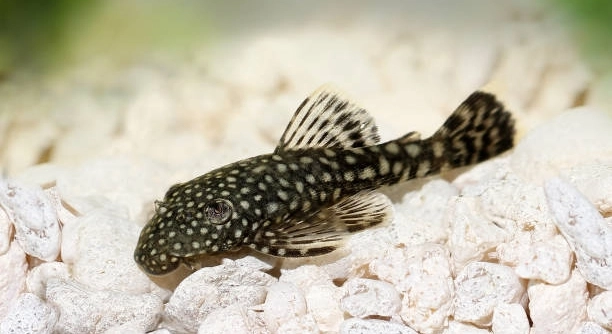
Many aquarium owners have observed their plecos bumping into the glass of their tanks. This behavior might be puzzling, but it’s a common issue that can arise for various reasons. Understanding the cause is important for maintaining a healthy aquarium environment.
Plecos often bump into the glass due to stress, boredom, or poor water conditions. They may also do this if they’re searching for food, exploring their territory, or reacting to changes in the tank environment.
Knowing why this behavior happens will help you create a better space for your pleco. By addressing the possible causes, you can improve their comfort and well-being in your aquarium.
Common Causes for Plecos Bumping Into Glass
There are several reasons why plecos might bump into the glass in your aquarium. One of the most common reasons is stress. Plecos can become stressed due to poor water quality, high tank temperature, or lack of hiding spots. When they’re stressed, they may swim aimlessly or bump into the glass as a way of coping. Another reason could be a lack of stimulation. Plecos are naturally active creatures, and if they don’t have enough to do, they might start swimming into the glass out of boredom. Additionally, if your pleco is trying to find food or if it is unfamiliar with its new environment, it might also swim into the glass in search of something.
Poor water conditions can also lead to this behavior. If the water isn’t clean, the pleco might be reacting to toxins or changes in oxygen levels. This can cause them to swim around the tank more, even bumping into the glass as a sign of agitation. The physical design of your tank can also play a role. If there are too many decorations or if the tank size is too small, your pleco might feel confined and unable to swim freely.
How to Prevent This Behavior
A simple fix for this issue could be improving the environment. Make sure your pleco has plenty of hiding places. You can add caves or driftwood to help create a sense of security. Also, check your tank’s water parameters, ensuring it’s clean, with proper filtration, and that the temperature is suitable for your fish.
Regular water changes and monitoring the water quality will keep your pleco comfortable. Adding natural decorations and creating a more spacious environment helps too. Keeping your tank tidy and making sure it isn’t overcrowded will give your pleco more freedom to swim around without feeling stressed.
Tank Size and Space
If your tank is too small, your pleco may not have enough space to swim freely. When fish feel cramped, they can become stressed, leading to erratic behavior like bumping into the glass. Plecos are bottom-dwellers and require a tank with ample floor space, especially as they grow larger. If your tank feels crowded, consider upgrading to a bigger one that allows your pleco to explore comfortably.
A larger tank can provide more opportunities for your pleco to find food, hide, and explore its surroundings. Without feeling confined, your pleco is less likely to show signs of stress, such as repeatedly swimming into the glass. It will also help maintain better water quality, as larger tanks are easier to manage. Additionally, having enough space for other fish and decorations helps reduce competition and territorial disputes, improving your pleco’s overall well-being.
Plecos can grow quite large depending on the species. In a smaller tank, they will feel cramped and may struggle to find a comfortable place to settle. If you haven’t already, consider getting a tank that gives your pleco enough room to swim and find shelter, especially as they reach their full size.
Water Quality
Water quality is a major factor in keeping your pleco healthy. Poor water quality can cause stress, and when plecos are stressed, they may swim erratically and bump into the glass. Ensuring your tank’s water is clean, with proper filtration, can prevent this behavior. Regular water changes also help keep your pleco comfortable.
Monitoring the water temperature, pH levels, and ammonia or nitrite levels is essential for your pleco’s health. If water conditions change quickly, they may feel unsafe or disoriented. Make sure you test your tank water regularly, especially after making any changes to the setup.
Improving water quality isn’t just about avoiding bumping into the glass. Good water parameters will promote a healthier, more active pleco. Clean water helps prevent diseases, reduces stress, and encourages natural behavior. Investing in a quality filter and conducting regular water changes can ensure your pleco stays happy and calm.
Tank Decorations and Layout
Plecos enjoy a tank with plenty of hiding spots. If there are no caves or objects for them to explore, they might swim aimlessly, even bumping into the glass. Adding decorations like driftwood, rocks, or plants can help reduce this behavior. Make sure to keep things natural and varied for stimulation.
With proper hiding spots, plecos feel more secure and less stressed, which can lead to more natural swimming behavior. A well-planned tank layout can encourage your pleco to move around, find food, and explore, reducing the likelihood of it swimming into the glass. It can also enhance the overall aesthetics of the tank.
Plecos are naturally curious creatures. Providing them with a few larger items like driftwood or a cave will help them feel comfortable and less anxious in their environment. It’s important not to overcrowd the tank with decorations, though, as this could restrict their movement. Balance is key.
Feeding Habits
Improper feeding can cause plecos to swim into the glass. They might be searching for food if they’re not getting enough to eat or if they’re not satisfied with the food offered. Be sure to provide a varied diet that includes algae wafers, vegetables, and occasional protein sources.
Overfeeding can also be a problem. When there’s excess food in the tank, it may lead to water quality issues, making your pleco more stressed. Stick to a feeding schedule, and remove uneaten food after a few hours to prevent it from fouling the water.
Fish Tank Mates
Tank mates can influence your pleco’s behavior. If your pleco feels threatened by other fish, it may swim erratically or bump into the glass to escape or avoid confrontation. Some species are more territorial, which can cause stress for your pleco, leading to unusual swimming patterns.
FAQ
Why is my pleco bumping into the glass constantly?
Your pleco may be bumping into the glass due to stress, boredom, or poor water conditions. If your pleco is feeling anxious or cramped, it might swim aimlessly, even bumping into the glass. It could also be looking for food or exploring its environment. Ensuring that your pleco has enough space, hiding spots, and clean water can help reduce this behavior.
Can poor water quality cause my pleco to bump into the glass?
Yes, poor water quality can definitely contribute to erratic swimming behavior. When water parameters are off—whether it’s temperature, pH, or ammonia levels—your pleco may become stressed. Stress can lead to strange swimming patterns, such as constantly bumping into the glass. Regular water changes and filtration can help alleviate this problem.
How do I know if my pleco is stressed?
Signs of stress in a pleco include erratic swimming, constant bumping into tank walls, lack of appetite, or hiding more than usual. Stress can be caused by poor water quality, overcrowding, or the presence of aggressive tank mates. Make sure your pleco has a clean environment, enough space, and a balanced diet to keep it comfortable.
Can I prevent my pleco from bumping into the glass?
Yes, you can prevent this behavior by improving the conditions in your tank. Ensure that your pleco has ample space to swim, hiding spots to feel safe, and clean water. Reducing stress factors like overcrowding and providing a proper diet can also help prevent this behavior.
Does the size of the tank matter for my pleco?
Absolutely. Plecos need plenty of space to move around, especially as they grow larger. If the tank is too small, your pleco will feel confined, leading to stress and erratic behavior, including bumping into the glass. A larger tank gives your pleco more room to explore and swim comfortably.
What kind of decorations should I add to my pleco’s tank?
Plecos love to have hiding spots in their tank. Adding decorations like caves, driftwood, and plants provides shelter and stimulation. They’ll feel safer with these additions and may be less likely to swim aimlessly into the glass. Just be sure to leave enough swimming space.
How often should I change the water to prevent my pleco from bumping into the glass?
Regular water changes are essential for keeping your pleco healthy and reducing stress. Aim for a 25-30% water change every week to keep the water clean and the tank environment stable. This helps prevent poor water conditions, which could cause your pleco to swim into the glass.
Can a pleco bump into the glass due to hunger?
Yes, plecos might swim towards the glass if they are hungry and searching for food. If your pleco isn’t getting enough food or if the food isn’t to its liking, it may become more active in its search. Make sure you feed your pleco a varied diet, including algae wafers, vegetables, and occasional protein sources.
What is the ideal water temperature for my pleco?
Plecos typically prefer water temperatures between 72-82°F (22-28°C). If the water is too hot or too cold, your pleco might become stressed, leading to unusual behavior like bumping into the glass. Make sure to use a reliable aquarium heater and thermometer to keep the temperature within the appropriate range.
Is my pleco sick if it’s bumping into the glass?
It’s possible that your pleco could be sick, especially if it’s showing other symptoms like loss of appetite or lethargy. However, constant bumping into the glass is more likely due to stress or environmental factors. Check the water quality, temperature, and tank mates to rule out external causes first.
Can tank mates cause my pleco to bump into the glass?
Yes, aggressive or territorial tank mates can stress your pleco, causing it to swim erratically. If other fish are constantly bothering your pleco, it may swim into the glass to avoid them. Choosing peaceful tank mates and providing enough hiding spots for your pleco can help reduce this behavior.
What type of filter is best for my pleco’s tank?
A good filter is essential for keeping your pleco’s tank clean. Look for a filter that provides both mechanical and biological filtration to keep the water clear and stable. Plecos create a lot of waste, so choose a filter that can handle a larger tank with high filtration capacity.
How can I tell if my pleco is happy in its tank?
A happy pleco will swim around actively, eat regularly, and use the available hiding spots without showing signs of distress. If your pleco is constantly bumping into the glass or hiding excessively, it might not be comfortable in its environment. Check water parameters and tank layout to ensure it has everything it needs.
Should I change the tank size if my pleco is bumping into the glass?
Yes, if your pleco is in a small tank, it may feel cramped and stressed, leading to behavior like swimming into the glass. Upgrading to a larger tank will give your pleco more space to move around and explore, reducing the likelihood of this issue. Make sure the new tank is properly filtered and has enough hiding spots.
Final Thoughts
Plecos are fascinating fish that thrive in a well-maintained aquarium. If you notice your pleco bumping into the glass, it’s important to address the possible reasons behind this behavior. Often, it’s a sign of stress, boredom, or discomfort. Factors like poor water quality, cramped space, or lack of hiding spots can cause your pleco to act out. The good news is that with a few adjustments to its environment, you can help prevent this behavior and create a more comfortable space for your pleco.
Start by checking the size of your tank. Plecos can grow large, and if the tank is too small, your fish will feel restricted. A larger tank not only gives your pleco more room to move around but also makes it easier to maintain stable water conditions. Adding decorations like driftwood, caves, or plants will give your pleco places to hide and explore. This added stimulation can help reduce the chances of your pleco swimming aimlessly into the glass. It’s also important to consider your tank mates. Aggressive or territorial fish can stress out your pleco, so make sure to choose peaceful companions and provide enough hiding spaces to allow for some personal space.
Lastly, regular maintenance of water quality is crucial. Check the temperature, pH levels, and ammonia or nitrite levels to ensure they’re within a safe range for your pleco. Make water changes a regular habit to prevent the buildup of toxins that could affect your pleco’s health. A clean, well-maintained tank promotes a healthy and calm environment for your pleco, which can help eliminate the stress-related behaviors like glass bumping. With the right care, your pleco can live a long, happy life in your aquarium without the need for constant adjustments.

Hello,
If you enjoy the content that we create, please consider saying a "Thank You!" by leaving a tip.
Every little bit helps us continue crafting quality advice that supports the health, happiness, and well-being of pets around the world, for pets of all shapes, sizes, and species.
We really appreciate the kindness and support that you show us!