
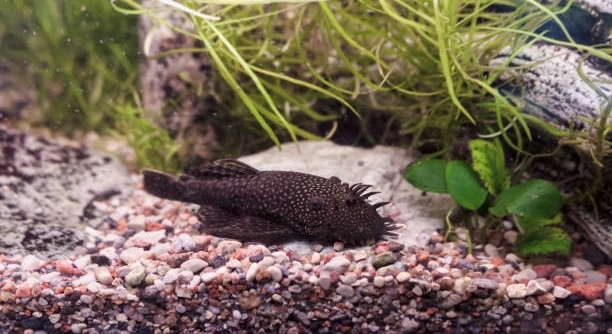
Sometimes it can be concerning when your pleco, usually found near the bottom of the tank, starts avoiding it. As an aquarium owner, understanding this behavior is important to ensure your fish’s health and well-being.
Plecos may avoid the bottom of the tank due to factors like poor water quality, stress, lack of food, or an unsuitable environment. If the water temperature or tank conditions are off, your pleco may seek other areas to feel more comfortable.
Identifying the root cause of your pleco’s behavior is the first step. With some adjustments and care, you can help your pleco feel at home again.
Poor Water Quality
Water quality plays a major role in your pleco’s behavior. Plecos are sensitive to changes in their environment, and poor water conditions can stress them out. High levels of ammonia, nitrites, or nitrates can harm their health and drive them to avoid the bottom of the tank. If the water is too dirty, your pleco may not want to stay there. Inadequate filtration or a buildup of waste in the tank can lead to these issues. Regular water changes and proper tank maintenance are essential for keeping the environment healthy for your pleco.
Testing the water regularly will help you maintain ideal conditions. Make sure your filter is functioning correctly and that the tank is cleaned properly. This will provide a safe environment where your pleco can feel secure and comfortable.
A pleco’s preference for staying at the bottom of the tank can shift if the water isn’t cleaned or filtered often enough. They need stable water conditions to feel safe. Once those conditions are met, your pleco may return to its usual behavior.
Stress and Overcrowding
Stress can cause your pleco to avoid the bottom. Overcrowding or territorial aggression can make your pleco feel threatened, leading it to retreat from its normal spot.
If your tank is too small or filled with aggressive tankmates, this could be the cause of your pleco’s discomfort. Creating a peaceful and spacious tank will help your pleco feel less stressed.
Tank Temperature and Water Parameters
Plecos are sensitive to water temperature. If the tank is too cold or too warm, they may avoid the bottom. Water that is too cold can make them sluggish, while high temperatures can cause them to seek cooler areas.
Ensure your tank maintains a stable temperature between 74-80°F (23-27°C) for optimal pleco health. Using a reliable heater and thermometer will help prevent temperature fluctuations. If the water temperature is not within the pleco’s preferred range, they may show signs of stress and avoid the bottom of the tank.
In addition to temperature, plecos also require specific water parameters. Make sure the pH, hardness, and oxygen levels are ideal for them. Imbalanced water conditions can cause discomfort, leading your pleco to move away from the bottom and seek other areas. Maintaining a stable, healthy environment will encourage natural behaviors.
Lack of Food or Feeding Preferences
Plecos are bottom dwellers and often feed on algae or sinking food. If they aren’t getting enough food or if it’s not what they prefer, they may seek other areas in the tank.
Make sure you’re offering the right kind of food for your pleco. Algae wafers, sinking pellets, and fresh vegetables are great options. Plecos can also graze on algae in the tank, but if there isn’t enough, they might avoid the bottom. Keep an eye on the type of food they enjoy and feed them consistently.
Tank Decorations and Layout
The layout of your tank can influence your pleco’s behavior. If the tank is overcrowded with decorations or lacks hiding spaces, your pleco may avoid the bottom.
Plecos need places to hide and feel secure. Rocks, caves, and driftwood provide natural hiding spots. If your tank is too open or lacks hiding spaces, your pleco may not feel comfortable enough to stay at the bottom.
Illness or Injury
If your pleco is not feeling well, it might avoid staying at the bottom of the tank. Illnesses or injuries can make them seek a more comfortable spot.
A sudden change in behavior like avoiding the bottom can indicate your pleco is unwell. Keep an eye out for signs of illness, such as abnormal swimming patterns, loss of appetite, or visible injuries. If you notice these symptoms, consult a vet for advice.
FAQ
Why is my pleco staying at the top of the tank?
Plecos usually prefer the bottom of the tank, but if they’re staying near the top, it might indicate a problem with the water quality or oxygen levels. Poor oxygenation or imbalanced water conditions can drive plecos to seek better conditions at the top. Ensure your filtration system is working properly, and if necessary, increase surface agitation to promote better oxygen exchange.
How can I fix poor water quality for my pleco?
To improve water quality, perform regular water changes, usually 25-30% weekly, depending on the tank size. Test for ammonia, nitrite, and nitrate levels. If any of these are elevated, take action by using water conditioners, performing more frequent water changes, and ensuring proper filtration.
How do I know if my pleco is stressed?
Stress in plecos can be caused by poor water quality, overcrowding, or aggressive tankmates. Signs of stress may include hiding for extended periods, erratic swimming, loss of appetite, or abnormal behavior like rubbing against tank surfaces. Regular tank maintenance, a suitable environment, and peaceful tankmates can help reduce stress.
What is the ideal tank size for a pleco?
Plecos can grow quite large, with some species reaching over a foot in length. A minimum tank size of 75 gallons is recommended for adult plecos, as they require ample space to swim and explore. Larger tanks with plenty of hiding spots and surface area are ideal for their well-being.
Can plecos eat other types of food besides algae?
Yes, plecos can eat a variety of foods. Besides algae, they enjoy sinking pellets, wafers, fresh vegetables like zucchini and cucumber, and occasional protein sources like bloodworms. A well-balanced diet will ensure your pleco remains healthy and active. Just be sure to avoid overfeeding, as this can lead to water quality issues.
Why is my pleco not eating?
If your pleco is not eating, it could be due to water quality issues, stress, or illness. First, check the water parameters and ensure they are within the correct range. If the water is fine, consider whether the food provided is to the pleco’s liking. If issues persist, consider checking for signs of illness.
Can plecos live with other fish?
Plecos are generally peaceful but can be territorial, especially with other bottom-dwelling fish. They can coexist with most non-aggressive fish species, but it’s best to avoid mixing them with overly aggressive or similarly-sized fish. Always consider the space available, as overcrowding can cause stress.
Do plecos need special tank decorations?
Plecos enjoy tank decorations that provide hiding spots, such as caves, driftwood, and rocks. These features mimic their natural habitat and help them feel secure. Be sure to include enough hiding spots so your pleco can retreat when needed.
How can I tell if my pleco is pregnant?
Pregnancy in plecos is not always easy to spot, but if you notice a female pleco’s abdomen becoming swollen, she might be carrying eggs. Male plecos can sometimes exhibit chasing behavior as they try to court the female. If you’re breeding plecos, ensure the tank conditions are ideal for egg-laying and care.
Why does my pleco spend so much time hiding?
Plecos are nocturnal and tend to hide during the day. They feel more comfortable in dark, secure spaces like caves or behind rocks. If your pleco is hiding excessively, it might be stressed, sick, or not feeling secure enough. Ensure your tank has enough hiding spaces to reduce stress.
How often should I feed my pleco?
Plecos should be fed once a day, with a combination of sinking pellets, algae wafers, and fresh vegetables. It’s important not to overfeed them, as uneaten food can pollute the water. If your pleco doesn’t finish the food within a few hours, remove the excess to maintain water quality.
Can plecos live without a filter?
While plecos can technically survive without a filter, it’s highly discouraged. A filter helps maintain clean water by removing waste and debris, which is crucial for the health of your pleco and other tank inhabitants. Without a filter, the water will degrade quickly, potentially harming your fish.
What should I do if my pleco is acting aggressive?
Aggression in plecos can occur, particularly if they are feeling threatened or if there are territorial issues. Ensure your tank is spacious enough to provide each pleco with its own space. If aggression continues, you might need to rearrange the tank or remove overly aggressive tankmates.
How do I keep my pleco’s tank clean?
To maintain a clean tank, perform regular water changes, remove uneaten food, and clean the substrate. Plecos are great at helping with algae control, but they still need a clean environment to thrive. Invest in a good filtration system and clean decorations to keep your tank healthy.
Final Thoughts
Plecos are fascinating and generally low-maintenance fish that add beauty and utility to any aquarium. However, when they start avoiding the bottom of the tank, it can be concerning for any aquarium owner. Understanding the possible reasons behind this behavior is important for ensuring their well-being. Factors like poor water quality, stress, unsuitable tank conditions, or illness can all contribute to your pleco’s reluctance to stay at the bottom. Addressing these issues can help your pleco feel more comfortable and restore its normal behavior.
One of the key steps in keeping a healthy pleco is ensuring that the water conditions in the tank are ideal. Regular water changes and monitoring water parameters, such as temperature, pH, and oxygen levels, can go a long way in keeping your pleco happy. If you notice your pleco avoiding the bottom, check for any issues with the water quality first. If the tank is too cold, has poor oxygenation, or contains harmful toxins, it can cause stress for your fish. A good filtration system and a stable environment can help reduce these risks.
Beyond water quality, providing a stress-free environment is equally important. Plecos can be sensitive to overcrowding or aggressive tankmates, so ensure your tank is properly sized and that the other fish in the tank are compatible. Offering plenty of hiding spots like caves, rocks, and driftwood can also make your pleco feel secure. Additionally, making sure your pleco has a proper diet, including algae wafers, sinking pellets, and occasional vegetables, will keep it healthy and content. If your pleco’s behavior persists despite addressing these factors, it’s essential to check for any signs of illness. In some cases, a visit to a vet may be needed for further advice.

Hello,
If you enjoy the content that we create, please consider saying a "Thank You!" by leaving a tip.
Every little bit helps us continue crafting quality advice that supports the health, happiness, and well-being of pets around the world, for pets of all shapes, sizes, and species.
We really appreciate the kindness and support that you show us!