
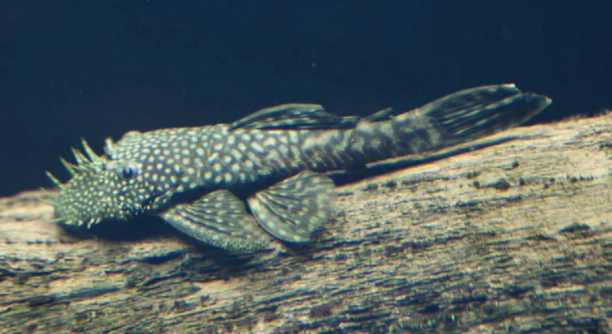
Plecos are known for their love of algae wafers, but there are times when they might ignore them. Understanding the reasons behind this behavior can help ensure your pleco’s health and happiness in your aquarium.
There are several reasons your pleco may be avoiding algae wafers. Stress, changes in the tank environment, or a shift in diet preferences can lead to this behavior. The presence of other food options may also play a role in their refusal.
Addressing the underlying cause will help you encourage your pleco to return to its usual eating habits and improve its well-being.
Stress and Environmental Changes
Stress is a common cause of a pleco avoiding food. Changes in the tank environment, such as sudden temperature fluctuations, water quality issues, or the addition of new tank mates, can cause your pleco to feel uneasy. A stressed pleco may stop eating or become more selective about its food. It’s important to monitor water parameters and maintain a stable environment for your pleco. Ensuring a consistent temperature and clean water will help reduce stress and encourage eating.
It’s crucial to observe your pleco’s behavior for signs of stress. When stressed, plecos may hide more than usual or swim erratically.
When setting up a tank, avoid frequent changes to decor or water conditions. This will help your pleco settle in and feel comfortable. A stable and calm environment promotes better feeding habits, helping your pleco enjoy the algae wafers you provide. Maintaining regular tank maintenance and monitoring water conditions also ensures that your pleco is in its optimal environment for feeding.
Other Food Sources
Plecos may also ignore algae wafers if other food sources are available. Many plecos enjoy a varied diet, which could include fresh vegetables, sinking pellets, or even other types of algae. If these food options are offered in abundance, they may prioritize them over the algae wafers.
To encourage your pleco to eat algae wafers, reduce the variety of available food. Offering algae wafers at specific times and removing other foods will help your pleco develop a preference for them.
Overfeeding
Overfeeding can make your pleco less interested in algae wafers. If they are constantly given food, they may not feel hungry enough to eat the algae. Overfeeding can also lead to uneaten food sinking to the bottom, which will further discourage the pleco from eating the algae wafers.
It’s important to monitor how much food you’re giving your pleco. Offering smaller portions throughout the day, rather than large amounts at once, will encourage them to eat more regularly. This ensures they stay hungry and more likely to eat algae wafers when offered. Regularly checking your pleco’s food intake also helps prevent waste buildup in the tank.
To avoid overfeeding, try feeding your pleco once or twice a day, only giving them as much as they can consume in a few hours. Any excess food should be removed to maintain clean water. By controlling the feeding schedule, you encourage healthier eating habits for your pleco, which can help them focus on their algae wafers.
Tankmates
The presence of tankmates can affect your pleco’s eating habits. If the tank is crowded or if aggressive fish are present, your pleco might feel intimidated and avoid the algae wafers. Plecos are peaceful creatures and may shy away from competition for food.
If you notice that your pleco is avoiding the algae wafers, check how it interacts with other tankmates. Sometimes, territorial fish or overly active tankmates can discourage your pleco from coming out to eat. It’s essential to ensure that all fish in the tank have enough space and food to minimize stress.
Consider rearranging the tank setup to create hiding spots or separate feeding areas to give your pleco more opportunities to eat in peace. A calm, low-stress environment with appropriate tankmates will encourage your pleco to feel secure and eat more regularly.
Water Quality
Water quality plays a significant role in your pleco’s eating habits. Poor water conditions can lead to discomfort and affect their appetite. If the water is too dirty or if there are imbalances in the pH, ammonia, or nitrate levels, your pleco might refuse food.
Ensure that your tank’s water quality is regularly monitored. A filter system should be running efficiently to keep the water clean, and regular water changes will help keep harmful toxins at bay. Testing the water weekly ensures that levels remain stable, and the pleco stays healthy and comfortable enough to eat.
Proper water quality is essential for keeping your pleco active and willing to eat. If you notice any signs of water problems, address them immediately to restore balance. Clean water makes for a happier pleco, which will lead to better feeding behavior.
Temperature
Plecos are sensitive to temperature changes. If the water is too cold or too hot, your pleco may lose interest in food. The ideal temperature range for most plecos is between 72°F and 82°F. Outside of this range, they may not feel comfortable enough to eat properly.
Consistently monitor the water temperature using a reliable aquarium thermometer. A heater can be used to regulate the temperature if it’s too low. When temperatures are stable, plecos are more likely to eat their algae wafers, maintaining their health.
Type of Algae Wafers
Not all algae wafers are the same. Some plecos may be picky about the type or brand of wafers they prefer. The ingredients or texture may not appeal to your pleco, causing them to ignore the food altogether.
Try offering a variety of algae wafers with different ingredients or shapes. Sometimes, a change in the brand or type of wafer can spark their interest. If you can find a type that your pleco enjoys, they’ll likely return to eating algae wafers regularly.
FAQ
Why is my pleco not eating algae wafers?
If your pleco isn’t eating algae wafers, several factors could be at play. Stress, water quality issues, and environmental changes are common reasons. Overfeeding can also make them less interested in their algae wafers, especially if there’s an abundance of other food available. Another possibility is that your pleco might not like the specific type of algae wafer offered, as they can be picky about texture and ingredients. Check the water quality and tank temperature to ensure everything is within the optimal range for your pleco’s health.
How can I get my pleco to eat algae wafers again?
To encourage your pleco to eat algae wafers, try removing other food options for a while to ensure they become hungry enough. You can also try feeding them at different times of the day, giving them a chance to explore the food when it’s quiet in the tank. Reducing stress and making sure the water quality is optimal are also key steps. If necessary, offer a different type or brand of algae wafer to see if they prefer another variety.
Should I feed my pleco anything other than algae wafers?
Yes, it’s beneficial to feed your pleco a varied diet. While algae wafers should be a staple, plecos also enjoy other types of food, including vegetables like zucchini, cucumber, and spinach. Sinking pellets and occasional protein-based foods, such as bloodworms or shrimp, can also provide a well-rounded diet. It’s important to ensure that your pleco has a mix of foods to stay healthy. Just be sure not to overfeed, as this could discourage them from eating algae wafers.
Can my pleco survive without algae wafers?
Algae wafers are a good source of nutrition for plecos, but they are not the only food your pleco can survive on. Plecos are opportunistic feeders and will often enjoy a variety of foods. However, algae wafers are important for their digestive health, providing necessary fiber and nutrients. If your pleco is avoiding algae wafers, make sure they’re still getting other foods that meet their nutritional needs, and try to reintroduce the wafers slowly.
How often should I feed my pleco algae wafers?
The general recommendation is to feed your pleco algae wafers once or twice a day. Offer small amounts at a time to ensure the wafers are consumed before they sink and spoil. Plecos typically feed at night, so providing the wafers in the evening can encourage them to eat. Be mindful not to overfeed, as excess food can pollute the water, causing other issues in the tank.
Can water quality affect my pleco’s eating habits?
Yes, water quality is crucial to your pleco’s health and appetite. Poor water conditions, such as high ammonia or nitrate levels, or incorrect pH levels, can cause stress and lead to loss of appetite. Keeping the water clean and ensuring proper filtration can make a significant difference. Regular water changes and monitoring parameters like temperature, pH, and hardness will help your pleco stay healthy and more likely to eat.
What is the best temperature for a pleco?
The ideal water temperature for most plecos ranges from 72°F to 82°F. Temperatures outside this range can cause stress and impact their appetite. Too cold or too hot water can make your pleco less active and unwilling to eat. It’s important to maintain a stable temperature in your tank with the help of a reliable heater and thermometer.
Do plecos prefer certain types of algae wafers?
Yes, plecos can be particular about the types of algae wafers they eat. Some plecos may prefer wafers made from specific types of algae, while others might like a different shape or size. If your pleco is avoiding algae wafers, consider trying different brands or types to see if they have a preference. Look for wafers that are high in fiber and designed for plecos specifically.
Can overfeeding cause my pleco to avoid algae wafers?
Overfeeding can definitely make your pleco less interested in algae wafers. When plecos are offered too much food, especially other types like sinking pellets or vegetables, they may feel full and avoid the algae wafers. Limiting the variety of food offered and sticking to a regular feeding schedule can help prevent this issue. Always remove uneaten food to maintain water quality and keep your pleco interested in their algae wafers.
Should I feed my pleco in the daytime or at night?
Plecos are nocturnal creatures, so they tend to eat more at night when the tank is quieter. Offering algae wafers in the evening or when the lights are off may encourage your pleco to feed. If you feed during the day, your pleco may be less interested or too shy to come out and eat, especially if there are other fish in the tank that are more active during daylight hours.
Final Thoughts
Understanding why your pleco might avoid algae wafers is essential in ensuring its health and well-being. There are several factors that could be causing your pleco to refuse food, including water quality, temperature, and the type of food being offered. Addressing these factors can make a significant difference in your pleco’s eating habits. Regular water changes, ensuring the proper temperature range, and trying different types of algae wafers may help encourage your pleco to start eating again. Keep in mind that a varied diet can also be beneficial for your pleco, providing essential nutrients that algae wafers alone may not offer.
Another important aspect to consider is the behavior of your pleco. Plecos are nocturnal and may not eat at the times you expect them to. Offering food at night or when the tank is quieter can help your pleco feel more comfortable and more likely to eat. Additionally, reducing the stress in the environment and keeping the tank peaceful can help your pleco relax enough to feed. Be patient and observe your pleco’s eating habits over time, as they can change depending on their comfort level and environment.
Lastly, it’s crucial to remember that every pleco is different. Some may have specific food preferences or unique habits when it comes to feeding. If your pleco continues to avoid algae wafers, try experimenting with different feeding schedules, types of food, and tank conditions. Paying attention to small details, such as water temperature and tank mates, can reveal underlying causes that might be affecting your pleco’s eating behavior. By taking a thoughtful approach and making gradual adjustments, you can ensure that your pleco stays healthy and well-fed in its aquarium environment.

Hello,
If you enjoy the content that we create, please consider saying a "Thank You!" by leaving a tip.
Every little bit helps us continue crafting quality advice that supports the health, happiness, and well-being of pets around the world, for pets of all shapes, sizes, and species.
We really appreciate the kindness and support that you show us!