
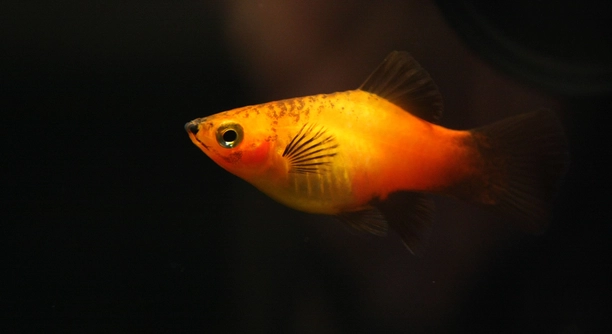
Is your platy often found tucked near the base of the tank? This behavior can seem unusual if you expect your fish to swim freely throughout the aquarium. Many fishkeepers notice this and wonder what it means for their platy’s health.
Platys often stay near the tank base due to environmental factors like water temperature, oxygen levels, or stress. It can also indicate illness or discomfort. Observing these behaviors helps in identifying potential issues and maintaining a healthy habitat.
Understanding why your platy prefers this spot can help you improve its environment and wellbeing. The following information will guide you through the common reasons behind this behavior.
Common Environmental Factors Affecting Platys
Many platys stay near the bottom of the tank because of environmental conditions that affect their comfort. Water temperature that is too low or too high can make them seek cooler or warmer spots, often near the base. Oxygen levels also play a key role; if the oxygen concentration is low near the surface, platys may stay lower where the water feels more comfortable. Poor water quality, including high ammonia or nitrate levels, causes stress and prompts this behavior. Additionally, sudden changes in lighting or tank setup can unsettle platys and lead them to stay close to the tank base. Observing and adjusting these factors can help your fish return to a more active swimming pattern and improve their overall health.
Maintaining stable water conditions and clean filtration is essential to prevent stress in your platy. Frequent testing and adjustments improve tank comfort.
If you notice your platy spending excessive time near the tank base, check temperature and oxygen levels first. Clean the tank regularly and avoid sudden environmental changes. Ensuring a stable habitat reduces stress and promotes healthy swimming behavior.
Signs of Illness in Platys
Illness is often a reason platys stay near the tank bottom. Symptoms like lethargy, loss of appetite, or visible spots can indicate disease. Early detection is important for treatment.
Stress and Its Impact on Platys
Stress can cause platys to hide near the tank base. Factors like aggressive tank mates or overcrowding make them feel unsafe.
Stress weakens the immune system, making platys more vulnerable to illness. Changes in water conditions or sudden loud noises also increase stress levels. Ensuring a calm, stable environment helps reduce stress.
Creating hiding spots with plants or decorations gives platys places to feel secure. Avoid overcrowding and keep aggressive fish separate to maintain peaceful tank dynamics. Regular monitoring helps catch early signs of stress before health declines.
Improving Your Platy’s Habitat
A clean, well-maintained tank supports platy health and comfort. Regular water changes and proper filtration keep water quality high.
Adequate space is important; small tanks limit movement and increase stress. Aim for at least 10 gallons per platy. Maintaining stable temperature between 70-78°F and proper pH around 7.0 helps keep platys comfortable. Adding live plants not only provides hiding spots but also improves oxygen levels. Monitor water parameters weekly to catch problems early and adjust care accordingly. These simple steps create a healthy, inviting environment for your platy to thrive.
Feeding Habits and Behavior
Platys staying near the tank base might be searching for food or resting after eating. They sometimes prefer to stay low when digesting.
Uneaten food on the tank bottom can attract platys, encouraging this behavior. Feeding smaller amounts more frequently helps prevent leftover food and keeps the tank cleaner.
Monitoring Water Quality
Regular testing of water parameters is crucial. High ammonia or nitrate levels cause stress and illness, making platys stay near the tank base.
Keeping the water clean through frequent changes and filtration supports your platy’s health. Maintaining proper conditions prevents unwanted behaviors and promotes activity.
Tank Decorations and Layout
Providing plants and hiding spots near the base encourages natural behavior. Platys use these areas to feel secure while resting or avoiding stress.
FAQ
Why does my platy stay at the bottom of the tank all the time?
Platys often stay near the bottom due to stress, illness, or unsuitable water conditions. It can also mean they are resting or feeling insecure. Checking water parameters and tank setup usually helps identify the cause. Improving water quality and providing hiding spots often encourages more active swimming.
Can low oxygen levels cause my platy to stay at the tank base?
Yes, low oxygen levels can make platys stay near the bottom where the water might have better oxygen or feel calmer. Poor aeration or overcrowding can reduce oxygen. Using an air stone or filter with good surface agitation helps increase oxygen levels in the tank.
Is it normal for platys to rest at the bottom sometimes?
Yes, platys sometimes rest near the tank base as part of their natural behavior. Resting at the bottom is common during the night or after feeding. However, if they stay there for long periods or show signs of distress, it may signal a problem.
Could water temperature affect my platy’s behavior?
Water temperature outside the ideal range (70-78°F) can cause platys to become sluggish and stay at the bottom. Low temperatures slow their metabolism, while high temperatures stress them. Maintaining stable temperature within the correct range helps keep them active and healthy.
How do I know if my platy is sick?
Signs of illness include lethargy, loss of appetite, clamped fins, or visible spots and swelling. Staying near the bottom combined with these symptoms suggests a health issue. Prompt diagnosis and treatment are important for recovery.
What should I do if my platy looks stressed?
Reduce stress by checking water quality, avoiding overcrowding, and removing aggressive tank mates. Provide plants or decorations for hiding. Keeping a stable environment and regular feeding schedules helps platys feel secure.
Can poor water quality cause my platy to hide?
Yes, poor water quality with high ammonia, nitrites, or nitrates stresses platys and makes them hide near the tank base. Frequent water changes and good filtration improve water quality and reduce hiding behavior.
Does tank size influence platy behavior?
A small tank limits swimming space and can increase stress, causing platys to stay near the bottom. A tank of at least 10 gallons per platy provides enough room for healthy activity and reduces stress.
Are there specific tank mates that cause platys to hide?
Aggressive or territorial fish can intimidate platys, making them seek refuge near the tank base. Choosing peaceful tank mates helps platys feel safe and reduces hiding behavior.
How often should I test the water for platys?
Testing water parameters weekly is recommended. Regular checks for ammonia, nitrites, nitrates, pH, and temperature help catch problems early and maintain a stable environment.
What is the best diet to keep platys healthy and active?
A varied diet including high-quality flakes, pellets, and occasional live or frozen foods supports platy health. Feeding small amounts twice daily prevents leftover food and maintains water quality.
Can lighting affect my platy’s position in the tank?
Bright or sudden lighting changes can stress platys, causing them to hide near the bottom. Using soft, consistent lighting and providing shaded areas with plants helps reduce stress.
How long does it take for a stressed platy to recover?
Recovery time varies depending on the cause and care improvements. With proper environment and treatment, platys can start showing improvement in a few days to a week.
Is it normal for platys to swim in groups near the tank base?
Platys are social and may group together near the bottom for safety or comfort. Grouping is typical behavior, especially if the tank offers hiding places and calm conditions.
What tank setup encourages healthy platy behavior?
A stable tank with clean water, moderate temperature, gentle filtration, plants, and hiding spots encourages platys to explore and swim freely. Avoid overcrowding and aggressive fish to keep stress low.
Should I separate a sick platy from others?
Separating a sick platy helps prevent disease spread and allows targeted treatment. A quarantine tank with stable conditions improves chances of recovery.
How do I reduce leftover food that might cause my platy to stay near the bottom?
Feed small portions and remove uneaten food promptly. Overfeeding leads to decay and poor water quality, which stresses platys and changes their behavior.
Can sudden changes in tank environment cause platys to stay low?
Yes, sudden changes like water replacement, rearranging decorations, or adding new fish can stress platys, causing them to stay near the base. Gradual changes and monitoring reduce this impact.
Is it helpful to add live plants to the platy tank?
Live plants improve oxygen levels, provide hiding spots, and reduce stress. They contribute to a natural environment, encouraging healthier and more active platys.
What is the role of filtration in platy behavior?
Proper filtration keeps water clean and oxygenated, reducing stress and illness. Filters that cause strong currents can stress platys, so gentle filtration is preferred.
How can I tell if my platy is breathing normally?
Normal breathing is steady and calm. Rapid gill movement or gasping at the surface suggests low oxygen or poor water quality and needs attention.
What are common diseases that cause platys to stay at the bottom?
Common illnesses include ich, fin rot, and swim bladder disease. These cause discomfort and lethargy, often making platys stay low in the tank.
Can overfeeding cause my platy to act differently?
Overfeeding leads to poor water quality and digestive issues, which stress platys. They may hide more and swim less if overfed. Proper feeding amounts prevent this.
How often should I perform water changes for platys?
Weekly partial water changes of 20-30% keep water clean and healthy. More frequent changes may be needed if water quality declines.
What is the best temperature range for platys?
Maintaining 70-78°F supports platy health and activity. Temperatures outside this range cause stress and unusual behavior.
Are there signs that indicate a platy is comfortable and healthy?
Active swimming, bright colors, normal appetite, and social behavior indicate a healthy platy.
Can stress cause permanent damage to platys?
Chronic stress weakens immunity and can lead to long-term health problems. Minimizing stress is essential for longevity.
Should I consult a vet if my platy stays at the bottom for days?
If behavior doesn’t improve with care changes, consulting an aquatic vet is advisable for proper diagnosis and treatment.
Understanding why your platy stays near the tank base is important for maintaining its health and comfort. This behavior can result from several factors, such as environmental conditions, stress, illness, or natural resting habits. Paying attention to water quality, temperature, and tank setup will help you create a stable and supportive environment. A clean tank with the right temperature and proper oxygen levels encourages your platy to swim freely and behave naturally. When these conditions are not met, platys may seek shelter near the bottom to feel safer or to cope with discomfort.
Stress is a common reason for platys to stay low in the tank. Factors like aggressive tank mates, overcrowding, or sudden changes in the environment can cause stress, which in turn affects their behavior. Reducing stress by providing hiding spots, keeping compatible tank mates, and maintaining stable water conditions is essential. Stress can also weaken their immune system, making them more prone to illness. Observing your platy closely for signs of illness, such as lethargy, loss of appetite, or unusual spots, will help you take timely action and improve their wellbeing.
Regular care and monitoring are key to ensuring your platy stays healthy and active. Consistent water testing, partial water changes, and a balanced diet all contribute to a happy fish. Providing plants and decorations in the tank gives your platy places to hide and explore, which reduces stress and encourages natural behaviors. Remember that platys sometimes rest near the tank base as part of their normal routine. However, if this behavior becomes constant or is accompanied by other worrying signs, it’s important to investigate the cause and make necessary adjustments. With proper care, your platy can thrive and bring life to your aquarium.

Hello,
If you enjoy the content that we create, please consider saying a "Thank You!" by leaving a tip.
Every little bit helps us continue crafting quality advice that supports the health, happiness, and well-being of pets around the world, for pets of all shapes, sizes, and species.
We really appreciate the kindness and support that you show us!