
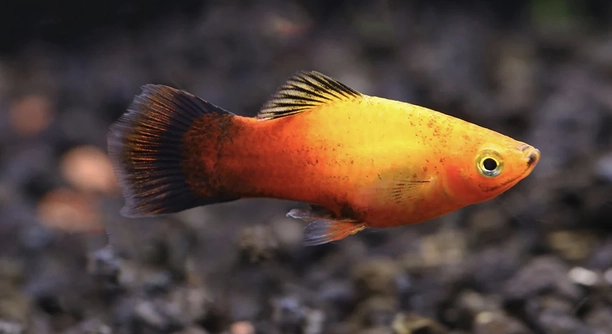
Is your platy swimming upside down in its tank? This unusual behavior can be worrying for fish owners who want their pets to stay healthy and happy. Understanding why this happens is important for proper care.
Upside-down swimming in platies is commonly caused by swim bladder disorder, which affects their buoyancy control. This condition can result from infections, water quality issues, or dietary imbalances that disrupt normal swim bladder function.
Recognizing the causes and symptoms of this behavior will help you take the right steps to support your platy’s recovery and well-being.
Causes of Upside Down Swimming in Platies
Platies swimming upside down often suffer from swim bladder problems. The swim bladder is an internal organ that helps fish control their buoyancy. If it is damaged or affected by illness, the fish cannot swim normally. Poor water quality is a common cause. High levels of ammonia or nitrites stress fish and can lead to swim bladder issues. Overfeeding or feeding the wrong type of food may also cause problems. Some platies swallow air while eating, which affects their buoyancy. Infections caused by bacteria or parasites can damage the swim bladder as well. Sometimes, sudden changes in water temperature shock the fish, making it harder for them to stay balanced. Observing your tank conditions closely can help you spot risks before they get worse. Good maintenance and a balanced diet are key to preventing these problems and keeping your platy healthy.
Swim bladder issues can develop slowly or appear suddenly, depending on the cause and severity. Early detection improves chances of recovery.
When you notice your platy swimming upside down, check the water quality first. Test for ammonia, nitrites, and nitrates, and make sure the temperature is stable. Avoid overfeeding and provide a diet suitable for platies, like high-quality flakes or pellets. If the problem continues, consider consulting a vet experienced with fish. Treatment may involve medicated food or water additives. Quarantining sick fish can prevent the spread of infection. Maintaining a clean tank and stable environment is the best way to protect your fish from swim bladder issues and other health problems.
How to Help Your Platy Swim Normally Again
Keeping your platy comfortable starts with clean water. Regular water changes and monitoring water parameters prevent stress and illness. Adjust feeding habits by giving smaller, more frequent meals and soaking dry food to reduce air intake. Use a balanced diet rich in nutrients and fiber to support digestion. If infection is suspected, treatments like antibacterial medication may be necessary. Make sure your tank is not overcrowded, as too many fish increase stress and reduce water quality. Providing hiding spots and plants can help your platy feel safe. If symptoms persist beyond a week, seeking professional advice is important. Early intervention improves your platy’s chances of returning to normal swimming behavior and enjoying a healthy life.
Preventing Swim Bladder Problems in Platies
Good water quality is essential for preventing swim bladder issues. Keep ammonia and nitrite levels at zero, and nitrates below 20 ppm. Regular water changes help maintain a healthy environment. Avoid sudden temperature changes, which can stress your platy and cause health problems.
Feeding your platy properly is also important. Overfeeding or giving too many dry foods can lead to digestive problems that affect the swim bladder. Soak flakes or pellets before feeding to reduce air intake. Offer a balanced diet that includes vegetables or frozen foods to improve digestion. Avoid foods that cause bloating, like excess protein or fatty items.
Maintaining a stable tank environment reduces stress, which is a common trigger for swim bladder disorders. Keep the tank clean, avoid overcrowding, and monitor fish behavior regularly. Healthy fish are less likely to develop buoyancy problems. A calm, well-maintained tank supports your platy’s overall health and activity.
When to Seek Veterinary Help
If your platy continues to swim upside down after making changes to its care, veterinary advice may be necessary. Persistent symptoms could indicate a bacterial infection or more serious health problems requiring medication.
A vet can provide an accurate diagnosis and recommend specific treatments, such as antibiotics or antiparasitic drugs. Early professional care increases the chance of recovery and prevents the problem from worsening. Sometimes, swim bladder issues signal internal organ damage or genetic defects that need special attention. Veterinary help ensures your platy receives the right care to improve its quality of life.
Common Signs of Swim Bladder Disorder
Besides swimming upside down, platies may float sideways or struggle to stay at the bottom of the tank. They might also appear lethargic or have trouble eating.
Other signs include swelling in the abdomen or irregular swimming patterns. These symptoms often point to swim bladder problems or related health issues.
Impact of Water Quality on Platy Health
Poor water quality stresses platies and makes them vulnerable to diseases, including swim bladder disorder. High ammonia and nitrite levels irritate their gills and organs, weakening their immune system. Regular testing and cleaning keep the water safe and help your fish thrive.
Diet Adjustments to Support Recovery
Adding fiber-rich foods like blanched peas can ease digestion and reduce swim bladder strain. Avoid feeding large amounts of dry flakes at once, as they may cause bloating. Splitting meals into smaller portions helps maintain a healthy digestive system and buoyancy control.
Importance of Tank Size
A small or overcrowded tank increases stress and limits swimming space, which can worsen health problems. Providing ample room helps platies swim freely and reduces the risk of swim bladder issues.
FAQ
Why is my platy swimming upside down all of a sudden?
Sudden upside-down swimming often points to swim bladder issues caused by stress, poor water quality, or a digestive problem. It can also result from injury or infection. Check your tank’s water parameters and observe if your platy shows other symptoms like bloating or lethargy.
Can swim bladder disorder be cured?
Yes, in many cases swim bladder disorder is treatable. Improving water quality, adjusting diet, and reducing stress often help. If an infection is involved, medication prescribed by a vet may be necessary. Recovery time varies depending on the cause and how quickly you act.
How long does it take for a platy to recover?
Recovery can take from a few days to several weeks. Mild cases from minor diet or water issues may improve quickly. More serious infections or injuries require longer treatment and close care. Patience and consistent tank maintenance are key.
Is upside-down swimming always a sign of swim bladder problems?
Not always. Sometimes, fish swim upside down due to injury, parasites, or neurological problems. It’s important to observe additional signs like changes in appetite, discoloration, or unusual behavior to identify the real cause.
Can diet cause my platy to swim upside down?
Yes, feeding your platy too much dry food or foods that cause constipation can lead to swim bladder issues. Overfeeding increases the chance of bloating, which affects buoyancy. Soaking dry food and offering veggies like peas can prevent this.
Should I isolate my platy if it swims upside down?
Isolating your platy in a separate hospital tank can reduce stress and prevent disease spread if infection is suspected. It also makes treatment easier. Keep the quarantine tank clean, with stable water parameters and gentle filtration.
How often should I change the water to prevent swim bladder issues?
Regular water changes, about 25% weekly, keep ammonia and nitrite low and reduce stress on fish. Frequent partial changes are better than rare full changes. Good water quality supports your platy’s health and helps avoid many common diseases.
Can temperature changes cause swim bladder disorder?
Yes, sudden or frequent temperature fluctuations can stress your platy and lead to swim bladder problems. Maintain a stable temperature suited for platies, generally between 72°F and 78°F (22°C – 26°C), to keep them healthy.
Is overcrowding related to upside-down swimming?
Overcrowding increases stress, reduces oxygen levels, and worsens water quality. These conditions can cause or worsen swim bladder disorder. Ensure your tank size is appropriate for the number of fish and provide enough hiding spaces.
Are there specific medications for swim bladder disorder?
There is no single medication for swim bladder disorder since causes vary. If a bacterial or parasitic infection is diagnosed, vets may recommend antibiotics or antiparasitic treatments. Always follow professional advice and avoid unnecessary medication.
Can genetics play a role in swim bladder problems?
Genetic defects can sometimes cause swim bladder issues, but this is less common. If a platy repeatedly shows buoyancy problems despite good care, genetics might be a factor. In such cases, focusing on supportive care is important.
What can I do immediately if my platy starts swimming upside down?
Test water quality and do a partial water change if needed. Stop feeding for 24 hours to help clear the digestive system, then feed small amounts of soaked food or peas. Reduce stress by keeping the environment calm and stable.
Will my platy die if swim bladder problems continue?
If untreated, severe swim bladder disorders can lead to death due to inability to eat or escape danger. Prompt care greatly improves chances of survival. Watch for changes and act quickly to support your fish’s recovery.
Can other fish cause my platy to swim upside down?
Aggressive tank mates may stress your platy, causing swim bladder issues indirectly. Keep peaceful fish together and separate aggressive species. A calm community helps all fish stay healthy and active.
Taking care of a platy that swims upside down can feel challenging, but understanding the causes and solutions helps a lot. Swim bladder problems are the most common reason for this behavior. These issues often come from poor water quality, diet problems, or infections. By paying close attention to your tank’s conditions and your fish’s habits, you can catch signs early. Early action makes it easier to help your platy return to normal swimming and better health.
Maintaining a clean and stable environment is key to preventing many health problems in platies. Regular water changes, careful feeding, and avoiding overcrowding create a comfortable home for your fish. Small changes, like soaking dry food before feeding and giving smaller meals, can reduce digestive issues that affect buoyancy. If your platy shows signs of illness, taking quick steps—such as improving water quality or consulting a vet—makes a big difference in their recovery.
Remember that each platy is unique, and some health issues may take time to resolve. Patience and consistency in care are important. Keep watching your fish closely, and adjust care as needed. Supporting your platy with the right environment and diet helps it stay healthy and active. With proper attention, upside-down swimming doesn’t have to mean serious trouble. It’s possible to help your platy get back to enjoying a normal, happy life in your aquarium.

Hello,
If you enjoy the content that we create, please consider saying a "Thank You!" by leaving a tip.
Every little bit helps us continue crafting quality advice that supports the health, happiness, and well-being of pets around the world, for pets of all shapes, sizes, and species.
We really appreciate the kindness and support that you show us!