
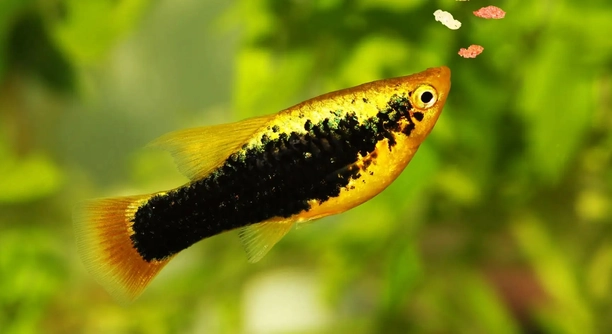
Is your platy swimming sideways after eating? This behavior can be concerning for any fish owner. Observing your pet’s unusual swimming pattern is important to understand what might be causing it.
Swimming sideways after feeding is often linked to swim bladder disorder, which affects the fish’s buoyancy and balance. This condition can result from overeating, poor water quality, or bacterial infections, disrupting the fish’s ability to maintain a normal swimming posture.
Learning why this happens can help you support your platy’s health and prevent future problems. The following details will guide you through common causes and simple care tips.
Common Causes of Sideways Swimming in Platies
Swimming sideways often points to issues with the swim bladder, an internal organ that helps fish control buoyancy. Overeating is a frequent cause because it can put pressure on the swim bladder, making it hard for the platy to stay balanced. Poor water conditions, such as high ammonia or nitrite levels, can also affect the swim bladder and overall health. Infections caused by bacteria or parasites sometimes lead to inflammation, which disrupts normal swimming. Stress from sudden changes in the tank environment or aggressive tank mates can worsen the problem. Not all cases are serious, but early attention can prevent complications. Monitoring your fish’s behavior after feeding is a good way to catch early signs.
Swim bladder problems are treatable with proper care and tank maintenance. Identifying the cause helps ensure the right solution is applied quickly.
Providing a balanced diet and maintaining clean water will support your platy’s health and reduce swim bladder issues. Avoid overfeeding and check water parameters regularly. Using a varied diet with some vegetable matter can improve digestion, which in turn helps keep the swim bladder functioning well. If symptoms persist, consult a veterinarian experienced with fish.
How Overfeeding Affects Your Platy
Overfeeding is a common reason for swim bladder issues. When a platy eats too much, undigested food can press against the swim bladder. This pressure causes the fish to lose control of its buoyancy, making it swim sideways or upside down. Overfeeding can also lead to constipation, which worsens the problem.
Controlling portion sizes and feeding smaller amounts more frequently helps prevent this condition. Feeding high-quality, easily digestible food supports proper digestion. Avoid feeding more than your platy can consume within a couple of minutes to reduce risks. Consistent feeding habits and avoiding sudden diet changes can maintain digestive health and swim bladder function.
Water Quality and Its Impact on Swimming Behavior
Poor water quality can quickly affect a platy’s health and swimming ability. High ammonia, nitrite, or nitrate levels create a toxic environment that stresses fish and harms their organs.
Maintaining good water quality is essential for preventing swim bladder problems. Ammonia and nitrites are particularly harmful, even at low levels, and can damage a fish’s internal organs, including the swim bladder. Regular water testing helps catch these issues early. Performing partial water changes removes toxins and refreshes the tank environment. Overcrowding and insufficient filtration worsen water quality, so it’s important to have the right equipment for your tank size. Consistent cleaning and monitoring prevent harmful buildups that affect your platy’s swimming.
In addition to chemicals, sudden changes in temperature or pH can stress your fish, making them more vulnerable to swim bladder disorders. Keeping stable conditions supports overall health and reduces abnormal swimming.
Signs of Swim Bladder Disorder
Swim bladder disorder typically shows as difficulty maintaining balance, floating sideways, or sinking to the bottom. The fish might also struggle to swim normally or rest awkwardly.
Affected platies may refuse food or appear lethargic due to discomfort. You might notice bloating or changes in their body shape. These signs indicate internal issues requiring attention. Early detection improves the chance of recovery. Observing your platy’s behavior closely after feeding helps identify problems before they worsen.
If your fish shows these symptoms, check water quality and feeding habits first. Treating swim bladder disorder often involves adjusting diet, improving water conditions, and sometimes using medications prescribed by a vet. Regular monitoring ensures your fish returns to normal swimming and overall wellness.
Preventing Swim Bladder Problems
Regular tank maintenance is key to preventing swim bladder issues. Keeping water clean and stable reduces stress on your platy.
Feeding small portions and avoiding overfeeding supports healthy digestion and buoyancy. Consistency in care makes a big difference.
Treating Swim Bladder Disorder at Home
If your platy swims sideways, try fasting it for 24 to 48 hours. This helps clear any digestive blockages causing pressure on the swim bladder. After fasting, offer cooked, peeled peas in small amounts to relieve constipation.
Monitor your fish closely and maintain clean water during treatment. If symptoms persist, consider consulting a veterinarian for further advice and possible medication.
When to Seek Professional Help
If your platy’s swimming does not improve after home care or if other symptoms appear, veterinary advice is necessary. Early intervention can prevent serious health issues and improve recovery chances.
FAQ
Why is my platy swimming sideways only after eating?
This usually happens because overeating puts pressure on the swim bladder, which controls buoyancy. When the swim bladder is compressed by food or gas, your platy struggles to stay upright and may swim sideways or tilt. It’s a common sign of mild swim bladder disorder linked to digestion issues.
Can poor water quality cause my platy to swim sideways?
Yes, poor water quality affects your platy’s health and can cause swim bladder problems. High ammonia or nitrite levels damage internal organs and increase stress. This stress weakens your fish and can disrupt normal swimming. Keeping water clean and stable is essential for preventing this.
How can I fix my platy’s sideways swimming?
Start by fasting your platy for 1-2 days to help clear digestion. After that, feed small amounts of cooked, peeled peas to relieve constipation. Ensure water quality is optimal and stable. If the behavior continues, seek advice from a vet experienced with fish.
Is swim bladder disorder contagious to other fish?
Swim bladder disorder itself isn’t contagious. However, if the cause is bacterial or parasitic infection, those can spread in the tank. Keep an eye on all fish and maintain good hygiene. Isolate sick fish if infection is suspected.
How often should I feed my platy to avoid swim bladder issues?
Feed small amounts once or twice a day. Only offer what your platy can eat in 2-3 minutes. Overfeeding is a leading cause of swim bladder problems. Consistent, measured feeding supports digestion and buoyancy.
Can temperature changes cause my platy to swim sideways?
Sudden temperature shifts can stress your platy, weakening its immune system and affecting the swim bladder. Stable, appropriate temperature is important. Avoid rapid changes and monitor tank heaters or cooling devices regularly.
What foods are best for preventing swim bladder problems?
High-quality flakes or pellets designed for tropical fish, combined with occasional vegetables like peas, spinach, or zucchini, help maintain good digestion. Avoid overfeeding and provide variety to prevent constipation.
When should I take my platy to a vet?
If your platy shows persistent sideways swimming after home care, or if it stops eating, has visible bloating, or develops other symptoms, professional advice is necessary. Early treatment improves chances of recovery.
Can swim bladder issues cause my platy to die?
If untreated, severe swim bladder problems can lead to stress, inability to feed properly, and secondary infections, which can be fatal. Prompt care and good tank management reduce risks significantly.
Is it normal for platies to swim sideways sometimes?
Occasional slight tilting might happen but consistent sideways swimming after eating is not normal. It indicates an underlying problem, often related to swim bladder or digestion, and should be addressed quickly.
How long does it take for a platy to recover from swim bladder disorder?
Recovery time varies depending on the cause and treatment. Mild cases may improve within a few days of fasting and diet adjustment. More severe cases or infections might take weeks and require veterinary care.
Can tank size affect my platy’s swimming behavior?
A cramped tank increases stress and water quality problems, which can contribute to swim bladder issues. Providing adequate space and a properly filtered environment supports better health and normal swimming.
Is it okay to medicate my platy for swim bladder disorder without a vet?
Medicating without diagnosis is not recommended. Swim bladder disorder has various causes, and incorrect medication can worsen the problem. Always consult a vet for proper diagnosis and treatment guidance.
Swimming sideways after eating is a common issue many platy owners notice. It usually points to problems with the swim bladder, an organ that helps the fish control its balance and buoyancy in the water. This condition often happens because of overeating or digestion problems that put pressure on the swim bladder. Poor water quality and stress can also play a role. Understanding the reasons behind this behavior helps you take the right steps to care for your platy. Keeping an eye on your fish’s swimming habits after feeding is important to catch any early signs of trouble.
Maintaining good tank conditions is one of the best ways to prevent swim bladder problems. Regular water testing and cleaning help keep ammonia, nitrites, and nitrates at safe levels. Avoid overcrowding your tank and use the right filtration system to keep the water fresh and healthy. Feeding your platy the right amount of food is also key. Overfeeding can cause constipation and pressure on the swim bladder, so it’s better to offer small portions that your fish can eat quickly. Including vegetables like cooked peas in their diet can improve digestion and help prevent issues.
If your platy does start swimming sideways, simple steps like fasting for a day or two and feeding cooked peas may help. Make sure to keep the water clean and stable during treatment. If the problem does not improve or if your fish shows other signs of illness, consulting a veterinarian with experience in fish health is a good idea. Early care can prevent more serious problems and support your platy’s recovery. Overall, consistent tank maintenance and careful feeding habits are the best ways to keep your platy healthy and swimming normally.

Hello,
If you enjoy the content that we create, please consider saying a "Thank You!" by leaving a tip.
Every little bit helps us continue crafting quality advice that supports the health, happiness, and well-being of pets around the world, for pets of all shapes, sizes, and species.
We really appreciate the kindness and support that you show us!