
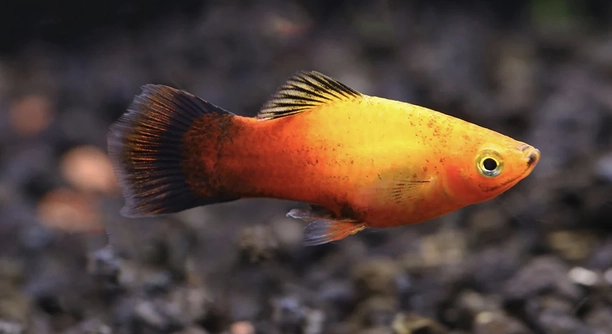
Is your platy swimming in quick bursts and acting unusually? This sudden, jerky movement can be surprising to notice. Understanding why this happens helps ensure your fish stays healthy and comfortable in its environment.
Platies swim in quick bursts primarily due to stress, sudden changes in water conditions, or the presence of potential threats. These rapid movements can also result from exploring their surroundings or reacting to feeding time stimuli.
This article explains the common reasons behind this behavior and offers ways to keep your platy calm and happy in its tank.
Causes of Quick Burst Swimming in Platies
Platies often swim in quick bursts because they feel threatened or stressed. Sudden changes in water temperature, poor water quality, or the presence of other aggressive fish can cause this reaction. These bursts can also be a natural response when the fish are exploring or chasing food. Sometimes, platies dart around quickly during mating or social interactions. If the tank is overcrowded, they may swim abruptly to find space. Another reason could be irritation caused by parasites or skin issues. Keeping the tank clean and monitoring water parameters can reduce stress and limit these bursts. Observing your platy’s environment closely helps you identify if the behavior is normal or a sign of distress.
Quick bursts are usually a sign of discomfort or excitement, so addressing environmental factors often helps reduce this behavior.
Understanding what triggers these movements is important to maintain a calm and healthy tank environment for your platy.
How to Reduce Quick Burst Swimming
Improving tank conditions and reducing stress can minimize quick burst swimming in platies.
Maintaining stable water temperature and quality is key. Regular water changes keep the environment clean and comfortable. Avoid sudden changes in lighting or decorations, as platies prefer consistency. Provide plenty of hiding spots with plants or decorations to help your fish feel secure. Ensuring the tank isn’t overcrowded reduces competition and stress. Feeding smaller amounts more often can prevent frantic bursts during feeding time. Watch for signs of illness, as infections or parasites can cause erratic swimming. If you notice persistent bursts despite good care, consulting a vet or aquatic specialist is recommended. These steps will help your platy swim calmly and enjoy its home.
Stress and Environmental Factors
Stress is one of the main reasons platies swim in quick bursts. It often results from poor water conditions or sudden changes in their environment.
Water quality affects platies significantly. High levels of ammonia or nitrites stress fish and cause erratic swimming. Rapid changes in temperature can shock them, leading to quick darting movements. Loud noises or vibrations near the tank can also startle platies. Additionally, overcrowding creates competition for space and resources, increasing stress. Proper filtration and regular water testing help keep the tank stable. Adding plants and hiding places gives platies a sense of security, reducing their anxiety.
Keeping the tank environment calm and consistent is essential to prevent stress-induced behaviors. Monitoring water parameters and avoiding sudden changes help your platy swim smoothly and comfortably.
Health Issues Affecting Swimming Behavior
Certain health problems can cause platies to swim in sudden bursts. Parasites or infections irritate the fish, making them restless and jumpy.
Parasites like ich or flukes attach to the skin and gills, causing discomfort and rapid movements. Bacterial infections may also affect their ability to swim normally. Fin rot or injuries can lead to uncoordinated swimming patterns. If a platy is sick, it may also lose appetite or hide frequently. Early detection of health issues is important for treatment. Quarantining new fish before adding them to the tank can prevent spreading diseases. Using medications recommended by aquatic vets can improve recovery. Keeping the tank clean and maintaining good water quality supports your platy’s health and swimming behavior.
Feeding Habits and Quick Bursts
Platies often swim in quick bursts when they spot food. This is a natural response linked to their feeding habits.
They dart quickly to compete for food or react to sudden movements in the tank. Feeding smaller portions more frequently helps reduce frantic bursts.
Tank Setup and Space
A well-organized tank reduces stress and limits quick swimming bursts. Providing enough space and hiding spots helps platies feel secure.
Plants and decorations break up open areas, giving fish places to rest and avoid overcrowding. This setup promotes calm and natural swimming behavior.
Lighting and Activity Levels
Bright or inconsistent lighting can cause platies to swim erratically. Stable, moderate lighting encourages normal activity patterns and reduces sudden bursts.
Adjusting the light schedule gradually helps fish adapt without stress, creating a comfortable environment for smooth swimming.
Monitoring Behavior Over Time
Keep track of your platy’s swimming patterns regularly. Changes in behavior may indicate stress or health problems that need attention.
Why is my platy swimming in quick bursts only at certain times?
Platies may swim in quick bursts during feeding or when something new appears in their tank. These bursts are often triggered by excitement or curiosity. Sometimes, changes in lighting or sudden noises nearby can cause temporary bursts. If the behavior only happens occasionally, it is likely a normal response to stimuli rather than a problem.
Can water temperature changes cause quick bursts in swimming?
Yes, sudden shifts in water temperature can shock platies and cause erratic swimming. They prefer stable temperatures between 70°F and 78°F. Rapid cooling or heating stresses their system and may lead to bursts of fast swimming. Keeping the tank temperature consistent with a reliable heater and thermometer helps prevent this behavior.
Is quick burst swimming a sign of illness?
It can be. While quick bursts may be normal in some cases, frequent or intense bursts paired with other symptoms—like lethargy, loss of appetite, or visible spots—could indicate health issues. Parasites, infections, or injuries often cause irritation that makes platies swim erratically. Observing overall behavior and water conditions is important to detect illness early.
How does tank size affect my platy’s swimming behavior?
A small or overcrowded tank can stress platies, causing quick bursts as they try to find space or escape aggression. Platies need at least 10 gallons per fish to swim comfortably. Limited space increases competition for territory and resources, making them more jumpy. Providing enough room reduces stress and promotes smooth, natural swimming.
Do platies swim in bursts during mating?
Yes, platies may dart quickly during courtship or territorial displays. Males often chase females or rivals with sudden movements. This behavior is normal and usually short-lived. However, excessive chasing can stress the fish, so ensure the tank has enough hiding spots to allow rest and recovery.
Can loud noises or vibrations cause quick bursts?
Yes, platies are sensitive to external disturbances. Loud sounds, vibrations, or tapping on the tank glass can startle them, leading to bursts of fast swimming. Keeping the aquarium in a quiet, stable area minimizes these stressors and helps maintain calm behavior.
Should I change my platy’s diet to reduce quick bursts?
Not necessarily. Quick bursts related to feeding usually happen because platies are excited or competing for food. Feeding smaller amounts multiple times a day instead of one large meal can reduce frantic swimming. Ensure the diet is balanced and appropriate for platies to maintain overall health.
What should I do if my platy is constantly swimming in quick bursts?
If the behavior is persistent, check water quality and tank conditions immediately. Test for ammonia, nitrites, and pH levels, and perform water changes if needed. Look for signs of illness and consider quarantining new fish. Adding plants or decorations for hiding spots also helps. If problems continue, consult a veterinarian or aquatic specialist.
Can quick burst swimming cause injury?
Yes, if platies repeatedly dart into tank decorations or glass, they risk injury. Sharp or rough surfaces can cause fin damage or wounds. Ensuring smooth tank decorations and enough swimming space minimizes accidents. Removing obstacles that might harm the fish is a good preventive measure.
How can I make my platy feel more secure in its tank?
Providing plants, caves, or other hiding places helps platies feel safe. Stable water conditions, gentle filtration, and consistent lighting also reduce stress. Avoid sudden changes in the environment or tank setup. A calm, comfortable space encourages relaxed swimming and fewer quick bursts.
Quick burst swimming in platies is often a sign of their natural reactions to their environment. These sudden movements can be caused by various factors such as stress, excitement, or changes in their surroundings. Understanding why your platy behaves this way helps you create a better living space for it. When you pay attention to water quality, temperature stability, and tank setup, you can reduce the frequency of these quick bursts. This not only makes your platy feel safer but also helps maintain its overall health.
Stress is one of the main reasons behind erratic swimming. It can come from overcrowding, poor water conditions, or sudden noises and vibrations. Providing enough space, clean water, and hiding spots are important to keep your platy calm. Feeding habits also play a role. Platies may dart around quickly when food is introduced, which is normal. However, controlling the amount and timing of feeding can reduce overly frantic swimming. Watching your platy closely can help you identify when the bursts are just natural behavior and when they may signal a problem.
Sometimes, quick bursts can indicate health issues such as parasites or infections. If your platy’s swimming becomes erratic and is accompanied by other signs like loss of appetite or unusual spots, it’s important to act quickly. Regular water testing, tank maintenance, and careful observation are key to preventing illness. By keeping your platy’s environment stable and stress-free, you support its well-being and encourage smooth, natural swimming. Taking these steps helps your platy live a healthier and more comfortable life in your care.

Hello,
If you enjoy the content that we create, please consider saying a "Thank You!" by leaving a tip.
Every little bit helps us continue crafting quality advice that supports the health, happiness, and well-being of pets around the world, for pets of all shapes, sizes, and species.
We really appreciate the kindness and support that you show us!