
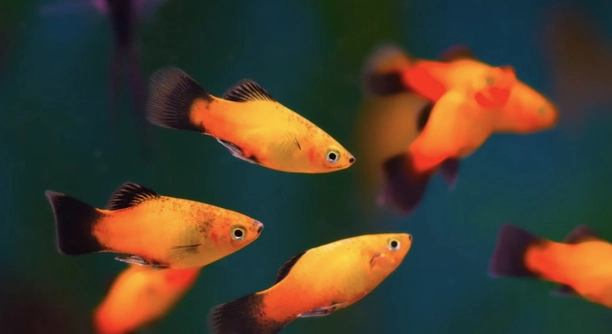
Is your platy swimming in quick, jerky lines that look unusual? Many fish owners notice this sudden change in their pet’s movement and wonder what might be causing it. It can be concerning when a usually smooth swimmer starts darting around strangely.
Jerky swimming in platies is often a sign of stress, poor water quality, or a possible illness like swim bladder disorder or parasites. These issues disrupt normal movement and should be addressed quickly to protect the fish’s health.
Understanding why your platy behaves this way can help you respond better and keep your fish comfortable and safe in its environment.
Common Causes of Jerky Swimming in Platies
Jerky swimming in platies can come from several common causes. Poor water quality is often a primary factor. High levels of ammonia, nitrites, or nitrates can irritate the fish and cause unusual behavior. Sudden changes in water temperature or pH can also stress your platy, leading to erratic swimming. Parasites and infections can directly affect a fish’s ability to swim smoothly. Swim bladder issues are another common cause, where the fish struggles to control its buoyancy. Overfeeding or constipation can put pressure on the swim bladder, resulting in jerky movements. It is important to regularly test and maintain water conditions, keep a balanced feeding schedule, and watch for signs of illness. Early attention helps avoid long-term damage and keeps your platy healthy. Observing your fish closely can help you spot problems before they worsen.
Water quality is the easiest factor to control and should be the first thing to check when jerky swimming occurs.
Watching your platy’s behavior closely can reveal subtle signs of distress or illness that may need attention.
How to Improve Your Platy’s Swimming Behavior
Improving your platy’s swimming involves addressing the causes directly. Start with a water test kit to check ammonia, nitrite, nitrate, and pH levels. Perform partial water changes to reduce toxins and stabilize conditions. Keep the tank clean and avoid overcrowding to minimize stress. Feeding your platy a balanced diet in small amounts will help prevent constipation and swim bladder problems. If you notice signs of parasites, consult a vet or aquatic specialist for appropriate treatments. Maintaining a steady water temperature around 74-78°F (23-26°C) is also important. Adding live plants or hiding spots can reduce stress and encourage natural swimming patterns. Monitor your platy daily to catch changes early. These steps promote a stable environment, which is key to smooth, healthy swimming behavior. Consistency in tank care often leads to noticeable improvements in your fish’s movement and overall health.
Identifying Signs of Stress in Platies
Stress in platies often shows through behavior changes. Jerky swimming is one sign, but watch for loss of appetite, hiding, or clamped fins. These signs usually mean something in the environment is wrong and needs fixing.
Stress can come from poor water conditions, sudden temperature shifts, or aggressive tank mates. When stressed, platies become more vulnerable to disease. A stressed fish may swim erratically or dart suddenly, struggling to find comfort. Environmental changes like overfeeding or overcrowding also increase stress levels. Regularly checking your tank and observing your platy helps catch stress early before serious health issues develop.
Addressing the root causes of stress improves your platy’s swimming and overall well-being. Small adjustments in tank care often make a big difference in calming your fish and returning their movements to normal.
Treating Swim Bladder Problems
Swim bladder problems cause buoyancy issues that lead to jerky or erratic swimming. Overfeeding or constipation often triggers this condition, as excess food puts pressure on the swim bladder. Feeding smaller meals or fasting your platy for a day or two can help clear blockages.
If diet changes don’t work, check the water temperature and quality, as poor conditions can worsen swim bladder issues. In some cases, bacterial infections may be involved, requiring antibiotic treatment prescribed by a vet. Avoid sudden changes in water conditions to reduce stress on the swim bladder. Careful observation and prompt action improve recovery chances and restore normal swimming patterns.
Parasites and Their Impact on Swimming
Parasites can irritate platies, causing jerky movements. They often attach to the skin or gills, making it hard for the fish to swim smoothly. Early detection is important to prevent serious harm.
Treatment usually involves medication added to the tank. Follow instructions carefully to avoid harming other fish or plants.
Monitoring Water Parameters Regularly
Keeping water parameters stable is essential for your platy’s health. Test ammonia, nitrite, nitrate, and pH levels weekly. Sudden shifts can stress fish and cause jerky swimming. Use water conditioners to neutralize harmful chemicals, and maintain regular water changes for a clean environment.
Importance of Tank Environment
A well-maintained tank with proper plants and hiding spots reduces stress. This encourages calm, natural swimming patterns and keeps your platy comfortable.
FAQ
Why is my platy swimming in jerky lines suddenly?
Sudden jerky swimming usually means your platy is stressed or sick. It could be due to poor water quality, parasites, or swim bladder issues. Checking water parameters and observing other signs like loss of appetite or clamped fins helps find the cause quickly.
Can poor water quality cause jerky swimming?
Yes, poor water quality is a common cause. High ammonia, nitrites, or nitrates irritate fish and disrupt normal swimming. Even slight pH or temperature changes can stress your platy, causing erratic movement. Regular testing and water changes are essential to keep the tank safe.
How do I know if my platy has swim bladder problems?
Swim bladder problems cause your platy to float unevenly, struggle to stay upright, or swim in bursts. Overfeeding or constipation often leads to this. You might see the fish swimming sideways or upside down. Adjusting the diet and checking water conditions can help.
What should I feed a platy with swim bladder issues?
Feed small portions of high-quality flake food or pellets, and try adding blanched peas. Peas can help ease constipation, which affects the swim bladder. Avoid overfeeding and give your fish a day or two of fasting if symptoms persist.
Can parasites cause jerky swimming?
Parasites irritate the skin or gills, causing discomfort and jerky movements. You may notice scratching against objects or visible spots on your fish. Treatment with anti-parasitic medications is often needed to clear infections.
How often should I test my aquarium water?
Testing water at least once a week is a good practice. It helps catch harmful levels of ammonia, nitrite, nitrate, or pH shifts before they stress your fish. Use a reliable test kit and keep a record to track changes over time.
What is the ideal temperature for a platy tank?
Platies thrive between 74°F and 78°F (23°C to 26°C). Temperatures outside this range can stress them and affect swimming. Use a heater with a thermostat to maintain stable temperatures.
How do I reduce stress in my platy’s tank?
Keep water clean, maintain stable temperature, and avoid overcrowding. Adding live plants and hiding spots gives your platy a sense of security. Avoid sudden changes and aggressive tank mates to reduce stress levels.
Is jerky swimming always a sign of illness?
Not always. Sometimes platies swim jerkily when exploring or startled. However, consistent jerky movement usually signals stress or health problems. Watch for other symptoms like color loss, lethargy, or fin damage to decide if treatment is needed.
Can overfeeding cause jerky swimming?
Yes, overfeeding can cause swim bladder issues or constipation, both leading to jerky swimming. Feed small amounts twice a day, and remove leftover food promptly to keep the tank clean.
Should I quarantine a new platy before adding it to my tank?
Quarantining new fish for at least two weeks helps prevent introducing diseases or parasites. It lets you monitor their health and treat any issues before mixing with existing fish, protecting everyone’s well-being.
What medications are safe for treating swim bladder problems?
Swim bladder problems caused by constipation usually improve with diet changes, not medications. If a bacterial infection is suspected, antibiotics prescribed by an aquatic vet or specialist should be used carefully to avoid harming beneficial bacteria.
Can water changes help with jerky swimming?
Regular water changes reduce toxins and improve water quality, which can relieve stress causing jerky swimming. Change 20-30% of the water weekly, making sure new water matches the tank’s temperature and parameters.
How long does it take for a platy to recover from jerky swimming?
Recovery time depends on the cause and treatment. If it’s water quality or diet-related, improvement may be seen within a few days. Parasite treatments or swim bladder infections might take longer, up to two weeks or more with proper care.
Are certain tank mates better for platies prone to stress?
Peaceful, non-aggressive fish like guppies or mollies are good companions for platies. Avoid fin-nippers or overly territorial species that may cause stress and trigger jerky swimming behaviors.
What signs show that my platy’s condition is worsening?
Worsening signs include increased lethargy, loss of appetite, damaged fins, rapid breathing, or unusual spots on the body. If jerky swimming gets more frequent or severe, immediate action is needed to save your fish.
Jerky swimming in platies can be worrying, but it usually signals a problem that can be fixed with proper care. Most often, the cause is related to water quality, stress, or health issues like swim bladder problems or parasites. Keeping a close eye on your platy’s behavior and tank conditions helps catch problems early. Small changes, like regular water testing and proper feeding, make a big difference in keeping your fish healthy and swimming smoothly.
It is important to maintain a stable and clean environment for your platy. Regular water changes, careful feeding habits, and a steady temperature reduce stress and help prevent many common problems. Adding plants and hiding places also makes your fish feel safer and less anxious. When your platy swims in jerky lines, it may be trying to tell you something is wrong. Responding quickly with good tank care can help your fish recover and return to normal swimming behavior.
Sometimes, jerky swimming is caused by illnesses or parasites that need treatment. In these cases, using proper medications and consulting with aquatic experts can be necessary. Patience is key, as some issues take time to heal. Watching your fish carefully and acting early will give your platy the best chance for a full recovery. Overall, understanding the reasons behind jerky swimming helps you create a healthy environment where your platy can thrive peacefully.

Hello,
If you enjoy the content that we create, please consider saying a "Thank You!" by leaving a tip.
Every little bit helps us continue crafting quality advice that supports the health, happiness, and well-being of pets around the world, for pets of all shapes, sizes, and species.
We really appreciate the kindness and support that you show us!