
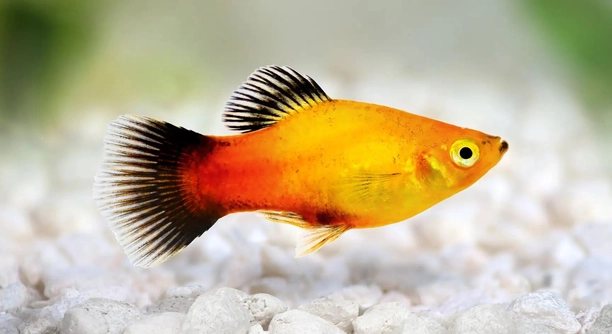
Platies are popular freshwater fish known for their peaceful nature and bright colors. Many aquarium owners enjoy watching their playful swimming patterns. Sometimes, these fish may swim in unusual ways that catch attention.
Swimming diagonally in platies can indicate several factors including stress, water quality issues, or swim bladder problems. Such behavior often signals that the fish is struggling to maintain normal balance or reacting to its environment.
Recognizing these signs early helps in providing proper care and preventing further health concerns for your platy. Understanding the reasons behind this behavior is important for maintaining a healthy aquarium.
Common Causes of Diagonal Swimming in Platies
Diagonal swimming in platies can happen for a few reasons. One common cause is swim bladder disorder, which affects the fish’s ability to control its buoyancy. This disorder may make the fish float at odd angles or struggle to stay upright. Another factor is water quality. Poor water conditions, such as high ammonia or nitrite levels, can stress platies and cause unusual behavior. Stress from sudden changes in temperature or aggressive tank mates might also lead to diagonal swimming. Finally, infections or injuries could interfere with a platy’s movement. It’s important to observe your fish carefully and test your tank water regularly to spot any problems early.
Monitoring your tank’s environment and your fish’s behavior closely will help keep your platies healthy and swimming normally.
If swim bladder issues are the reason for diagonal swimming, adjusting diet and improving water quality usually helps. Early treatment is key for a quick recovery.
How to Improve Water Quality for Your Platy
Good water quality is essential for platies’ health. Regular water changes remove waste and keep harmful chemicals low. Testing water parameters like pH, ammonia, nitrite, and nitrate levels helps ensure a safe environment. Platies prefer a pH between 6.8 and 8.0 and temperatures around 72–78°F (22–26°C). Using a reliable filter will keep the water clean and oxygenated. Avoid overcrowding the tank, as it can cause stress and poor water quality. Keeping up with maintenance routines supports your fish’s well-being and reduces unusual swimming behavior caused by stress or illness.
Diet and Its Impact on Swimming Behavior
A poor diet can cause swim bladder problems, leading to diagonal swimming. Overfeeding or feeding foods that are hard to digest may upset a platy’s digestive system.
Feeding your platy high-quality flakes or pellets designed for tropical fish is important. Including occasional live or frozen foods like brine shrimp or bloodworms adds variety and nutrition. Avoid overfeeding by giving small amounts once or twice a day. Uneaten food should be removed promptly to prevent water pollution. A balanced diet helps maintain proper digestion and buoyancy control, reducing odd swimming patterns caused by digestive distress.
Sometimes, adding peas (with the shell removed) to the diet helps relieve constipation, a common cause of swim bladder issues. Adjusting feeding habits can quickly improve your platy’s swimming behavior and overall health.
Stress and Environmental Factors
Stress affects platies more than many realize, often causing strange swimming habits. Sudden changes, aggressive tank mates, or overcrowding are common stress sources.
To reduce stress, keep tank conditions stable by maintaining consistent temperature and water quality. Provide plenty of hiding spots with plants or decorations so your platy feels secure. Avoid mixing aggressive or much larger fish with peaceful platies, as bullying can cause ongoing stress. Watching your fish regularly for signs of distress lets you act quickly to improve their environment. A calm, well-maintained tank encourages natural swimming patterns and healthier fish behavior.
Swim Bladder Disorder
Swim bladder disorder affects a fish’s ability to control its buoyancy. It can cause platies to swim erratically or diagonally.
This condition may result from infections, constipation, or physical injury. Proper diagnosis and care are essential to help your platy recover.
Identifying Signs of Illness in Platies
Look for additional symptoms like lethargy, loss of appetite, or abnormal swimming patterns alongside diagonal swimming. Early detection of illness improves treatment success. Keeping an eye on these signs allows prompt action to prevent worsening conditions and supports your fish’s health.
Treatment Options for Diagonal Swimming
Treatment depends on the underlying cause. Improving water quality and adjusting diet often help. In some cases, medications or salt baths may be necessary to address infections or parasites.
When to Consult a Veterinarian
If symptoms persist despite changes, professional advice is recommended. A veterinarian can provide a precise diagnosis and suggest targeted treatments.
FAQ
Why is my platy swimming diagonally but still eating normally?
Sometimes platies swim diagonally due to mild swim bladder issues or temporary stress, even when their appetite stays good. This means they may have a small balance problem that doesn’t affect their hunger. Keeping the water clean and monitoring their behavior closely usually helps them recover without major problems.
Can overfeeding cause my platy to swim diagonally?
Yes, overfeeding can cause constipation, which often leads to swim bladder problems. Uneaten food can also pollute the water, stressing your fish. Feeding small portions once or twice a day and removing leftover food will help prevent these issues and keep your platy swimming properly.
How long does it take for a platy to recover from swim bladder disorder?
Recovery time varies depending on the cause and treatment. With proper care, like improved diet and water quality, some platies show improvement in a few days. More severe cases may take weeks. Patience and consistent tank maintenance are important for healing.
Is it normal for platies to swim diagonally sometimes?
Occasional diagonal swimming can happen, especially when exploring or adjusting buoyancy. However, if it becomes frequent or persistent, it could indicate a health or environmental problem that needs attention.
Can water temperature affect my platy’s swimming?
Yes, sudden changes in water temperature can stress platies and affect their swimming behavior. Keeping the temperature stable between 72 and 78°F (22–26°C) helps maintain their comfort and normal movement.
What tank mates are best to avoid stressing my platy?
Peaceful fish like guppies, mollies, and small tetras usually make good tank mates for platies. Avoid aggressive or much larger fish, as they can bully platies and cause stress that affects swimming and overall health.
How often should I do water changes to prevent swimming problems?
Regular water changes, about 20-25% weekly, help keep the water clean and reduce harmful chemicals. This routine supports healthy swimming and lowers the chance of diseases.
Can constipation cause my platy to swim diagonally?
Yes, constipation is a common cause of swim bladder issues, leading to diagonal or unusual swimming. Feeding shelled peas and reducing dry food can relieve constipation and improve buoyancy.
Are there specific foods to avoid for platies prone to swimming problems?
Avoid feeding only dry flakes or large meals. Foods that are hard to digest or too rich can upset digestion. Offering a varied diet with occasional live or frozen foods keeps your platy healthy and reduces swim bladder risks.
Should I isolate my platy if it starts swimming diagonally?
Isolating the fish can reduce stress and prevent the spread of potential infections. Using a quarantine tank allows better observation and easier treatment if needed.
Can swim bladder disorder be fatal for platies?
If untreated, swim bladder disorder can weaken your platy and lead to serious complications. Early detection and care improve the chances of full recovery and prevent fatal outcomes.
How do I know if my platy’s swimming problem is caused by illness or environment?
Observe other symptoms like lethargy, discoloration, or spots to identify illness. Test water quality and check for stress factors like aggressive tank mates to assess environmental causes. Both require different approaches to treatment.
Is medication always necessary for diagonal swimming?
Medication is only needed if an infection or parasite is diagnosed. Many cases improve with water changes, diet adjustments, and stress reduction alone.
Can adding aquarium salt help with swimming issues?
Aquarium salt can support fish health by reducing stress and treating minor infections. Use it carefully according to guidelines, as too much salt can harm your fish.
What role does tank size play in platy health and swimming?
A small or overcrowded tank increases stress and pollution, leading to swimming problems. Providing enough space (at least 10 gallons for a few platies) supports healthier behavior.
How important is lighting for platy swimming behavior?
Consistent, moderate lighting helps regulate platies’ daily cycles. Sudden or extreme changes in light can cause stress and affect swimming.
Can age affect a platy’s swimming ability?
Older platies may swim less actively or show balance issues due to natural aging or health problems. Providing good care helps extend their healthy years.
Are there signs that indicate my platy’s swimming problem is improving?
Improvement shows as more controlled and balanced swimming, normal feeding, and active behavior. Gradual changes are a positive sign that your care is working.
What should I avoid doing when my platy swims diagonally?
Avoid sudden changes in water conditions, overfeeding, and mixing with aggressive fish. These actions can worsen the problem and delay recovery.
When a platy starts swimming diagonally, it usually means something in its environment or health needs attention. Many causes can lead to this behavior, such as swim bladder issues, poor water quality, stress, or diet problems. Understanding these factors helps you care for your fish better and keep them healthy. Paying close attention to your platy’s swimming patterns and other signs like appetite or activity level can provide important clues about what might be wrong.
Maintaining good water conditions is one of the most important steps to prevent swimming problems. Regular water changes, monitoring temperature, and keeping the tank clean create a comfortable space for your platy. Along with proper tank care, feeding a balanced diet in the right amounts helps avoid digestive problems that can affect buoyancy. Stress from aggressive tank mates or sudden changes should also be minimized. Creating a calm and stable environment supports your fish’s overall well-being and encourages normal swimming behavior.
If your platy continues to swim diagonally despite making these changes, it might need more specific care or treatment. Sometimes, swim bladder disorder or infections require medication or special care. Isolating the fish in a quarantine tank can help you monitor and treat it safely. When unsure, consulting a veterinarian with experience in fish health is a good choice. Taking early action gives your platy the best chance to recover and return to its usual happy swimming. Consistent care and observation are key to keeping your platy healthy and active in your aquarium.

Hello,
If you enjoy the content that we create, please consider saying a "Thank You!" by leaving a tip.
Every little bit helps us continue crafting quality advice that supports the health, happiness, and well-being of pets around the world, for pets of all shapes, sizes, and species.
We really appreciate the kindness and support that you show us!