
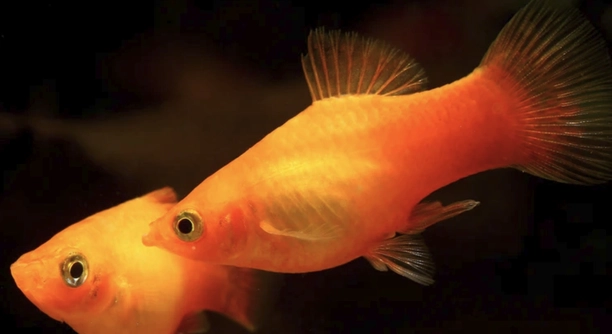
Is your platy swimming backward, leaving you puzzled? Observing unusual fish behavior can be concerning, especially when your pet’s movements seem out of the ordinary. Understanding these actions helps in maintaining a healthy aquarium environment.
Platies swimming backward is often a sign of stress, illness, or environmental factors such as poor water quality or inappropriate tank conditions. Identifying and addressing these causes promptly is essential for the well-being of your fish.
Recognizing the reasons behind this behavior will help you take the right steps to improve your platy’s health and comfort in its habitat.
Common Causes of Backward Swimming in Platies
Platies swimming backward can be linked to several common issues. One frequent cause is poor water quality. High levels of ammonia, nitrites, or nitrates can stress fish and affect their behavior. Tank conditions, such as temperature that is too low or too high, also impact how platies swim. Another factor is illness or parasites, which can interfere with their balance and movement. Sometimes, platies swim backward when they are exploring or reacting to changes in their environment, but persistent backward swimming usually signals a problem. Overcrowding and lack of oxygen in the tank may also contribute to abnormal swimming patterns. Monitoring water parameters regularly and maintaining a clean tank are essential steps. Providing a balanced diet and avoiding sudden changes in the aquarium help reduce stress. Observing your platy closely can give clues about its health and environment.
Stress and poor water conditions are often behind backward swimming in platies. Regular tank care is crucial.
Ensuring stable water parameters and a comfortable environment reduces the chances of your platy showing odd behaviors. Treating diseases early helps your fish recover faster and return to normal swimming patterns.
How to Improve Your Platy’s Swimming Behavior
Start by testing your aquarium water using a reliable kit. Check ammonia, nitrite, nitrate levels, and pH balance. Correct any imbalances by performing partial water changes and using water conditioners. Keep the temperature steady, ideally between 70°F and 78°F, to match platies’ natural preferences. Avoid overcrowding the tank, as it increases stress and reduces oxygen. Providing hiding spots with plants or decorations can help your platy feel secure. If you notice signs of illness like lethargy or spots, consult a veterinarian or fish expert for treatment options. Feed your platy high-quality food and avoid overfeeding, which can pollute the water. Regular maintenance and observation allow you to catch problems early and maintain a healthy, happy aquarium environment for your fish.
Signs of Illness in Platies
Sudden backward swimming can be a symptom of illness. Watch for other signs like clamped fins, lethargy, or loss of appetite. These symptoms often appear before more serious health issues develop.
Illnesses such as swim bladder disorder affect a platy’s ability to swim properly. This disorder causes buoyancy problems, making it difficult for the fish to maintain normal movement. Infections from bacteria or parasites can also impact behavior, leading to unusual swimming patterns. Early detection of illness is important for treatment and recovery. Proper diagnosis often requires close observation and sometimes professional advice from a vet or aquatic specialist.
Treating swim bladder issues usually involves improving water quality and diet. Adding peas to their food can help ease constipation, which sometimes causes swim bladder problems. Infections might require medication, but prevention through regular tank maintenance is the best approach to keep your platy healthy and swimming normally.
Adjusting Tank Environment for Better Swimming
Platies need stable water conditions to thrive and swim comfortably. Sudden changes in temperature, pH, or water hardness can stress your fish and disrupt their normal behavior. Regular monitoring helps keep these factors balanced.
Maintaining the right tank size is crucial for platies. They need enough space to swim freely without feeling crowded. A tank of at least 10 gallons is recommended for a small group. Adding plants and decorations provides hiding places and reduces stress by mimicking their natural habitat. Proper filtration and aeration keep water clean and oxygen-rich, which supports healthy swimming activity. Consistent maintenance routines and careful adjustments to the tank environment create a more comfortable space for your platy to swim confidently.
Nutritional Impact on Swimming Behavior
A poor diet can affect your platy’s energy and swimming ability. Feeding low-quality or inappropriate food may lead to digestive issues and lethargy.
Balanced nutrition supports healthy fins and muscles, allowing your platy to swim with ease. Proper feeding routines prevent problems related to digestion and buoyancy.
Importance of Water Flow in the Tank
Water flow affects how platies swim. Too strong a current can tire them out or cause stress, leading to backward swimming. Gentle, steady flow is best for their comfort and natural movement. Proper water circulation also helps maintain oxygen levels and cleanliness, supporting your platy’s overall health and normal behavior.
Recognizing Normal Exploration
Platies sometimes swim backward briefly while exploring their environment. This behavior is normal if it happens occasionally without other signs of distress.
When to Seek Help
If backward swimming continues despite care, consulting an expert is important. Early advice can prevent serious health problems.
FAQ
Why is my platy swimming backward suddenly?
Sudden backward swimming often indicates stress or discomfort. This can result from poor water quality, changes in tank conditions, or illness. Checking water parameters and observing other symptoms helps determine the cause. If the behavior persists, it may signal a health issue that requires treatment or environmental adjustment.
Can poor water quality cause my platy to swim backward?
Yes, poor water quality is a common reason for abnormal swimming. High ammonia, nitrite, or nitrate levels irritate fish and affect their balance. Regular water testing and maintenance reduce this risk. Changing water partially and cleaning the tank improve water conditions and your platy’s swimming behavior.
Is backward swimming always a sign of illness?
Not always. Sometimes platies swim backward while exploring or reacting to new stimuli. However, if this behavior is frequent or accompanied by other signs like clamped fins or loss of appetite, illness is likely. Monitoring your fish closely will help you decide when to act.
How can swim bladder disorder affect my platy?
Swim bladder disorder impacts buoyancy, causing your platy to float awkwardly or swim backward. It often results from constipation, infection, or injury. Adjusting diet and improving water quality usually helps. In severe cases, medication may be necessary, so professional advice is recommended.
What water temperature is best for platies?
Platies prefer temperatures between 70°F and 78°F. Temperatures outside this range can cause stress and abnormal behavior, including backward swimming. Use a heater and thermometer to maintain consistent temperature in the tank.
Can overcrowding cause backward swimming?
Yes, overcrowding increases stress and competition for resources. This can lead to unusual swimming behavior as fish try to avoid others or find space. Keeping the tank properly stocked and providing hiding spots helps reduce stress.
How does diet affect my platy’s swimming?
A balanced diet supports muscle and fin health, improving swimming ability. Overfeeding or low-quality food can cause digestive issues and buoyancy problems, leading to backward swimming. Feeding high-quality pellets or flakes in moderation is best.
Should I treat my platy if it swims backward?
Treatment depends on the cause. If water quality is poor, fix that first. For illness, medications may be needed. If it’s a minor behavior or exploration, no treatment is necessary. Always observe other signs to decide.
How often should I test my aquarium water?
Testing once a week is recommended to catch changes early. Frequent checks help maintain a healthy environment, reducing stress and abnormal behavior like backward swimming.
What signs besides backward swimming indicate stress or illness?
Look for clamped fins, lethargy, loss of appetite, rapid breathing, or spots on the body. These signs combined with backward swimming often mean your platy needs attention.
Can changes in tank decorations cause backward swimming?
Yes, sudden changes can stress your fish, making them swim backward as they adjust. Introduce new decorations gradually to minimize stress.
Is backward swimming harmful to my platy?
Occasional backward swimming is not harmful, but persistent behavior indicates stress or illness, which can worsen if untreated.
When should I seek professional help for my platy?
If backward swimming continues for several days despite water care and diet changes, or if other symptoms appear, consult a vet or aquatic specialist promptly. Early intervention improves recovery chances.
Backward swimming in platies is usually a sign that something in their environment or health needs attention. It is important to observe your fish closely and note any other unusual behaviors or symptoms. Many times, this swimming behavior points to stress caused by poor water quality, temperature changes, overcrowding, or illness. Addressing these issues early on can help your platy return to normal swimming and improve its overall well-being. Keeping the tank clean and maintaining stable conditions are key to preventing problems.
Proper care for your platy involves regular monitoring of water parameters like ammonia, nitrite, nitrate, and pH levels. Making sure the tank temperature stays within the ideal range helps avoid stress that could affect swimming. Nutrition also plays a role; feeding your fish a balanced diet supports its health and swimming ability. If your platy swims backward occasionally but shows no other signs of distress, it may simply be exploring. However, frequent backward swimming combined with lethargy or loss of appetite is a clear sign to act.
If your platy continues swimming backward despite good water conditions and proper feeding, it might be ill. Swim bladder issues, infections, or parasites can affect movement and balance. In such cases, consulting an aquatic specialist or veterinarian can help identify the problem and recommend treatment. Overall, paying close attention to your platy’s behavior, maintaining a stable and clean environment, and providing good nutrition will help keep your fish healthy and swimming well.

Hello,
If you enjoy the content that we create, please consider saying a "Thank You!" by leaving a tip.
Every little bit helps us continue crafting quality advice that supports the health, happiness, and well-being of pets around the world, for pets of all shapes, sizes, and species.
We really appreciate the kindness and support that you show us!