
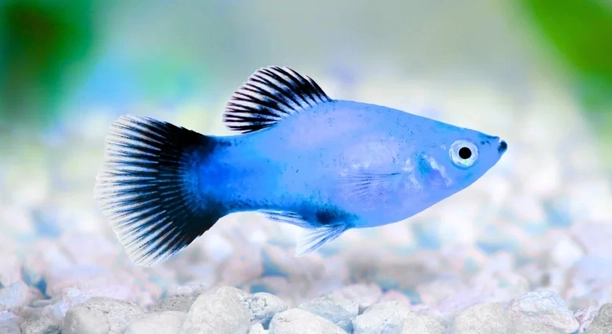
Is your platy starting to look unusually pale, making you feel concerned about its health and well-being? Changes in color can feel alarming, especially when they happen so suddenly and without warning.
The most common reason your platy is suddenly pale is stress, which may be caused by poor water quality, temperature changes, illness, or bullying from other fish. Identifying the source of stress is key to restoring its color.
Understanding the possible causes of color loss can help you take simple steps to support your platy’s health and keep its vibrant appearance.
Common Reasons Your Platy Is Losing Color
Platies are usually colorful and active, so when one starts looking pale, it’s often a sign that something isn’t right. Stress is one of the most common causes and can come from a variety of issues. Poor water conditions, such as high ammonia or nitrate levels, can quickly affect a platy’s health and color. Sudden temperature changes or being moved to a new tank may also lead to stress. Other times, bullying from more aggressive tank mates or overcrowding in the tank can be the cause. Illnesses, like parasites or internal infections, are also worth considering. Color changes may even occur during the night or early morning, especially if the fish is resting or under low lighting. Keeping a close eye on the environment and tank behavior is often the first step in figuring out what’s going on. A pale platy usually means it’s time to check the basics.
Watch how your platy acts during feeding times and when other fish are nearby. Behavior can tell you a lot.
Some platies may naturally fade slightly with age, but sudden or extreme changes usually point to something that needs your attention. Always start by testing the water parameters. If ammonia or nitrite levels are even slightly elevated, that can create immediate stress. Water temperature should remain stable, ideally between 72°F and 78°F. If the fish is being chased or hiding more than usual, it might be time to separate aggressive tank mates or provide more hiding spots. Look for other signs of illness like frayed fins, white spots, or bloating. These signs, combined with pale color, often indicate more serious health issues. If everything in the tank seems fine and the fish is still pale, it might help to review its diet. A varied, high-quality diet with enough nutrients can support both health and color. Don’t wait too long if symptoms continue—early care makes a difference.
What You Can Do to Help
Start by testing your water. Ammonia, nitrite, and nitrate levels can shift fast and affect your fish before you notice anything else.
If your water tests come back with issues, start by doing a partial water change—around 25% is usually a good start. Make sure your water conditioner is working and that the temperature of the new water matches what’s already in the tank. If water quality isn’t the issue, look into how your fish are getting along. Sometimes a platy will turn pale simply because it’s being chased or picked on. In that case, separating aggressive fish or adding plants and decorations for hiding spots can help. If you suspect illness, medications might be needed, but always research first or ask someone experienced before treating. Boosting the diet can also help—add quality flakes, frozen food, or even some vegetables like blanched spinach. Over time, the color should return once the fish feels safe, healthy, and well-fed.
How Tank Conditions Affect Color
Water quality affects more than just overall health—it plays a big part in how bright or dull a platy looks. Dirty water, sudden pH swings, or low oxygen can all lead to pale or faded color.
Poor tank maintenance can quickly lead to stress in platies. Ammonia from leftover food or waste can build up fast in a tank that isn’t cleaned regularly. Even if the tank looks clear, toxins can still be present. A filter helps, but it doesn’t replace water changes. Try to change 20–30% of the water each week and vacuum the gravel if there’s debris. Keep a thermometer in the tank to make sure the temperature stays stable. A swing of just a few degrees can cause stress. Add an air stone if you notice your fish gasping or staying near the surface—this can help boost oxygen.
pH and hardness also affect color. Platies prefer a pH between 7.0 and 8.2, and water that’s too soft or too hard can lead to long-term stress. Using untreated tap water or adding chemicals without checking the levels can throw off the balance. Always test the water before adjusting anything. Consistency is key—platies thrive in stable conditions. If you need to make changes, do it slowly to avoid shocking your fish. A healthy environment helps their color stay bold and bright. Keeping live plants in the tank can also help stabilize water conditions and create a calm space.
Signs Your Platy May Be Sick
Paleness often shows up before other signs of illness. Watch closely for symptoms like clamped fins, unusual swimming, or lack of appetite. These can all point to a deeper issue that needs quick attention.
If your platy looks pale and starts acting differently, illness could be the cause. Internal parasites may not show outward signs at first but can lead to weight loss and color changes. External parasites like ich appear as small white dots on the body or fins. Bacterial infections may cause redness or swelling. Watch for changes in swimming patterns—if the fish is floating, tilting, or rubbing against surfaces, that’s often a sign it’s uncomfortable or irritated. A sick platy might also isolate itself or stay near the bottom. Avoid rushing to add medications without knowing the cause. It’s important to observe carefully, test the water again, and separate the sick fish if needed. Early steps can prevent the problem from spreading.
Diet and Nutrition Matter
A poor diet can slowly affect your platy’s color and energy. If they aren’t getting enough nutrients, their vibrant tones may fade. Stick to high-quality flakes or pellets made for tropical fish, and avoid feeding only one type of food every day.
Mix in frozen or live foods like daphnia or brine shrimp once or twice a week. These foods are rich in nutrients and can help improve both health and color. Vegetables like blanched zucchini or spinach can also be a good addition to their diet.
Changes That Are Completely Normal
Sometimes, color changes in platies are natural. They may appear paler in the morning or when resting. Young platies can also change shades as they grow older. Mating behaviors or excitement can temporarily brighten or dull their color, depending on the situation.
When to Take Action
If your platy stays pale for more than a day or two and shows other signs of stress or illness, it’s time to act. Early care can prevent more serious problems.
FAQ
Can lighting affect my platy’s color?
Yes, lighting can play a role in how vibrant your platy looks. Fish kept in low or dull lighting may appear less colorful, even if they’re healthy. On the other hand, strong lighting can help show off their natural colors. However, avoid lights that are too intense, as that can cause stress. Use a balanced lighting schedule, such as 8–10 hours of light per day, and turn off the lights at night to let your fish rest. Sudden changes in light, like turning it on in a dark room, can also startle fish and cause brief color fading.
Why does my platy look paler in the morning?
Platies often look paler in the morning, especially right after the tank lights come on. This is normal and usually nothing to worry about. Fish tend to rest or stay still at night, and during this time, their colors may fade slightly. Once the lights turn on and they start swimming around again, the color usually returns within an hour or two. If the pale look continues throughout the day, it may be a sign of stress or illness, and it’s worth checking your water parameters and tank conditions.
Can stress really cause color loss that fast?
Yes, stress can lead to sudden color loss in platies. Stressful situations like a tank transfer, aggressive tank mates, or a loud environment can cause a noticeable change in color almost immediately. Water changes done too quickly or temperature drops are also common causes. It’s always a good idea to watch your platy after any tank maintenance or environmental change. If color doesn’t return within a few hours, or if the fish seems to be acting strangely, take a closer look at the overall setup.
Is it normal for young platies to change color as they grow?
Yes, it’s completely normal for young platies to change color over time. As they grow and mature, their patterns and shades can shift, sometimes becoming more intense or more muted. Some fish even develop spots or stripes that weren’t visible before. These changes are part of their natural development. However, if the change is sudden or paired with signs of stress or sickness, it’s best to check on water quality and diet just in case.
Can diet really bring back my platy’s color?
A balanced diet can make a big difference. While it won’t work overnight, feeding your platy high-quality flakes, color-enhancing food, and occasional frozen treats can gradually restore vibrancy. Fish need protein, vitamins, and minerals to stay healthy and colorful. Skipping variety or using low-grade foods may lead to dull tones. Try to feed small amounts two to three times a day and avoid overfeeding, as that can harm water quality. Stick to trusted brands and include vegetables every now and then for extra nutrition.
Should I separate a pale platy from the others?
If the pale platy is being bullied or shows signs of illness, it’s a good idea to move it to a separate tank or use a breeding box within the main tank. This can lower stress and allow the fish to rest and recover. If it’s just pale with no other symptoms, keep a close eye on interactions and behavior. Sometimes just rearranging decorations or adding hiding spots can reduce tension in the tank without needing to separate the fish.
How long does it take for a platy to return to normal color?
It depends on the cause. If the issue is something simple like a brief temperature drop or a mild scare, color might return within hours. If it’s stress from poor water quality or bullying, it could take a few days. In cases related to illness, recovery might take longer—sometimes a week or more—depending on treatment and overall health. Be patient and monitor progress daily.
Can old age cause color fading?
Yes, older platies may naturally lose some of their color as they age. Just like humans get gray hair, fish may fade a bit over time. This is usually a gradual change and doesn’t happen overnight. If your fish is eating well, swimming normally, and behaving like usual, there’s likely no reason to worry. Still, it’s worth double-checking tank conditions, just to be safe.
Is color loss always a bad sign?
Not always. Temporary color loss can happen from rest, minor stress, or age. If your platy still eats well, swims actively, and interacts normally, it might not be anything serious. It’s only when color loss happens suddenly or comes with other signs—like hiding, twitching, or not eating—that it becomes more concerning. Watch closely and trust your observations.
Final Thoughts
Keeping an eye on your platy’s color is one simple way to tell how it’s doing. A healthy platy should have bright, even coloring and act alert and active. When you notice your fish looking pale, it usually means something is off in its environment, diet, or health. Most of the time, the cause is stress, which can come from things like poor water conditions, temperature changes, or aggressive tank mates. These are all problems that can be fixed with a few small changes. Watching how your fish acts and checking the water regularly can help you catch these issues early.
A pale platy doesn’t always mean something serious, but it should still be taken seriously. Color changes may also be tied to age, lighting, or temporary stress from things like a recent water change. If the paleness goes away quickly and your platy is eating and swimming normally, then it’s likely not a big concern. But if the pale color stays or gets worse, and you also notice other signs like hiding, clamped fins, or loss of appetite, it may be time to take action. Simple things like doing a partial water change, adjusting the tank temperature, or offering better food can go a long way in helping your fish recover.
In the end, keeping your platy colorful and healthy comes down to regular care and observation. Make sure the water stays clean and stable, feed a varied diet, and provide a calm and balanced tank environment. Avoid sudden changes, test the water often, and watch how your fish behave. Taking small steps each week can help prevent big problems later. If something does seem wrong, act quickly but calmly. Whether it’s adjusting water levels, separating an aggressive fish, or improving diet, your efforts can make a real difference. With time and the right care, your platy’s color often returns, and so does its energy.

Hello,
If you enjoy the content that we create, please consider saying a "Thank You!" by leaving a tip.
Every little bit helps us continue crafting quality advice that supports the health, happiness, and well-being of pets around the world, for pets of all shapes, sizes, and species.
We really appreciate the kindness and support that you show us!