
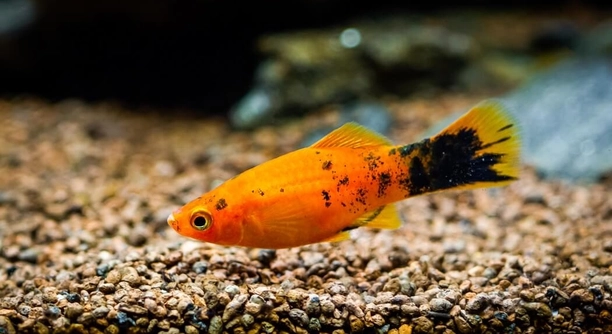
Is your platy suddenly darting around its tank and behaving unusually? These small fish are usually calm and graceful swimmers, so sudden bursts of movement can catch your attention. Such behavior might indicate something important about their environment or health.
Sudden darting in platies is often caused by stress factors such as poor water quality, sudden changes in temperature, or the presence of aggressive tank mates. It can also result from illness or irritation, signaling the need for close observation and prompt action.
Recognizing the causes behind this behavior will help you maintain a healthy tank and keep your platy comfortable. This article will explore common reasons and practical solutions for your fish’s sudden movements.
Common Causes of Darting Behavior in Platies
Platies can start darting around their tank due to several environmental factors. One major cause is poor water quality. If ammonia, nitrite, or nitrate levels rise, it can irritate your fish, causing sudden movements. Another factor is temperature fluctuations. Platies prefer stable water temperatures, usually between 72°F and 78°F. Rapid changes can stress them out. Aggressive tank mates or overcrowding also contribute to this behavior. If your platy feels threatened or lacks space, it may swim erratically to escape. Additionally, poor diet or sudden changes in feeding routines can cause discomfort. Illnesses like parasites or infections may also trigger darting as your fish tries to avoid irritation. Regular tank maintenance and monitoring water parameters are essential to prevent these issues and keep your platy calm.
Maintaining clean, stable conditions is key to preventing stress-related darting behavior.
Platies rely heavily on their environment’s stability to feel secure. Regular water testing is crucial to detect harmful substances early. Make sure to change about 25% of the tank water weekly to keep conditions balanced. Avoid overcrowding by providing enough space and hiding spots. Observe your fish for signs of illness such as spots, discoloration, or unusual swimming patterns. Feeding a balanced diet with high-quality flakes or pellets will support their health. If you notice persistent darting despite good care, consulting a vet experienced with fish can help diagnose hidden problems. Paying attention to these details will improve your platy’s well-being and reduce erratic movements.
How to Calm Your Darting Platy
Improving tank conditions and minimizing stressors can help your platy settle down.
Start by testing your water regularly to ensure safe levels. Perform partial water changes to reduce toxins. Remove aggressive tank mates or provide separate tanks if needed. Adjust the temperature carefully using a reliable heater. Adding plants or decorations creates hiding spaces, making your platy feel safe. Keep feeding consistent with proper nutrition. Avoid sudden changes in lighting or environment. Watching your fish’s behavior daily allows you to notice changes early. If darting continues, isolate the fish and check for signs of disease. Taking these steps will help restore calm and support your platy’s health over time.
Identifying Stress Triggers in Your Platy
Stress often leads to darting behavior. Common triggers include loud noises, sudden movements near the tank, or strong vibrations. Changes in lighting or water flow can also disturb your platy. Recognizing these factors helps you create a calmer environment.
Platies are sensitive to their surroundings. Sudden loud sounds or tapping on the glass can startle them, causing erratic swimming. Strong water currents from filters may make them uncomfortable, leading to frantic movements. Excessive light or sudden darkness shifts can also affect their behavior. Keeping the tank in a quiet spot away from heavy foot traffic and minimizing direct contact reduces stress. Adjusting filter flow or providing gentle currents can help your platy swim more comfortably. Avoid rearranging decorations frequently, as stability is important for their sense of security.
Stress weakens your platy’s immune system, making it more vulnerable to diseases. Over time, continuous stress can shorten their lifespan. Monitoring and limiting exposure to these triggers supports their health and promotes peaceful swimming habits.
Monitoring Health Signs Beyond Darting
Watch for other signs that may indicate illness alongside darting. These include clamped fins, loss of appetite, or faded colors. Early detection improves treatment outcomes.
Illness often manifests subtly at first. Clamped fins show when your platy tucks its fins close to the body, indicating discomfort. A reduced appetite can signal internal problems or parasites. Changes in coloration, such as dull or patchy spots, suggest stress or disease. Erratic swimming combined with these symptoms warrants immediate attention. Performing a water test and maintaining cleanliness can prevent many illnesses. Quarantining new fish before adding them to the main tank reduces infection risks. If symptoms persist, consulting an aquatic veterinarian is advisable. Timely action will increase the chances of recovery and help maintain a healthy tank environment.
Adjusting Tank Environment for Comfort
Proper tank setup helps reduce darting behavior. Make sure the tank has enough plants and hiding spots to offer security. A stable environment supports calm swimming.
Avoid overcrowding by keeping the number of fish appropriate for the tank size. Providing a peaceful setting helps your platy feel safe and less stressed.
The Role of Diet in Behavior
A balanced diet is essential for your platy’s health and behavior. Feeding high-quality flakes or pellets designed for tropical fish ensures they receive necessary nutrients. Avoid overfeeding, which can pollute the water and cause discomfort.
Variety in diet, such as occasional live or frozen foods, supports better digestion and activity levels. Proper nutrition contributes to a calmer fish and reduces sudden darting due to hunger or irritation.
When to Seek Professional Help
If darting continues despite environmental and dietary improvements, professional advice may be necessary. Persistent erratic behavior can indicate illness needing specific treatment.
Veterinarians experienced with fish can offer diagnosis and medication options that are not available over-the-counter, improving your platy’s chances of recovery.
Maintaining Regular Tank Care
Routine cleaning and water changes are vital. Consistent maintenance prevents toxin buildup and supports your platy’s health.
FAQ
Why is my platy darting suddenly?
Sudden darting usually happens when your platy feels stressed or uncomfortable. Common causes include poor water quality, sudden changes in temperature, or aggressive tank mates. It may also be a response to illness or irritation from parasites. Keeping a stable environment helps reduce this behavior.
Can sudden darting be a sign of disease?
Yes, erratic swimming can indicate health problems. If your platy also shows other signs like clamped fins, loss of appetite, or unusual spots, it might be sick. Parasites, bacterial infections, or fungal issues can cause discomfort and lead to darting. Prompt treatment is important to prevent worsening.
How do I improve water quality for my platy?
Regular water changes and testing are essential. Change about 25% of the water weekly to keep toxin levels low. Use a water conditioner to remove chlorine and chloramine. Test for ammonia, nitrites, and nitrates regularly. Proper filtration and avoiding overfeeding also help maintain good water quality.
What temperature is best for platies?
Platies thrive between 72°F and 78°F. Sudden temperature changes outside this range can stress them. Use a reliable heater and thermometer to maintain steady conditions. Avoid placing the tank near drafts or direct sunlight, which can cause fluctuations.
Can tank mates cause my platy to dart?
Aggressive or overly active fish may scare your platy. If the tank is overcrowded or some fish are bullying others, darting can increase. Provide enough space and hiding places to reduce stress. If necessary, separate aggressive fish or choose peaceful tank mates.
How often should I feed my platy?
Feed your platy small amounts once or twice a day. Overfeeding can pollute the tank and cause discomfort. Offer high-quality flakes or pellets, and occasionally supplement with live or frozen foods for variety. Remove uneaten food promptly to keep the tank clean.
Can lighting affect my platy’s behavior?
Yes, intense or sudden changes in lighting can stress your fish. Avoid strong direct lights or frequent on/off switching. Provide a regular day-night cycle to mimic natural conditions. Plants or decorations can help soften lighting and offer hiding spots.
When should I consult a vet for my platy?
If darting continues despite improving water, diet, and environment, and other symptoms appear, seek professional help. A vet experienced with fish can diagnose underlying illnesses and recommend treatment. Early intervention increases chances of recovery.
Is darting normal during feeding time?
Some darting can happen during feeding as fish compete for food. This is normal unless it becomes aggressive or constant. Make sure all fish get enough food and avoid overcrowding to reduce stress during feeding.
What can I do to calm my platy quickly?
Reduce sudden noises or movements near the tank. Check water parameters and perform a partial water change if needed. Provide plants or decorations for hiding. Maintain a stable temperature and gentle water flow. These steps help your platy feel safer and reduce darting.
Does tank size impact darting behavior?
A tank too small for the number of fish causes stress and darting. Platies need space to swim freely. Ideally, a 10-gallon tank or larger is recommended for a small group. Bigger tanks allow better water quality and reduce aggression.
How long does it take for a stressed platy to calm down?
It depends on the cause and how quickly changes are made. Minor stress can improve in a few days with stable water and environment. Illness-related darting may take longer and require treatment. Consistency in care is key for recovery.
Can decorations help reduce darting?
Yes, plants and hiding spots provide security. Platies feel safer when they have places to retreat. Live plants also improve water quality. Avoid sharp or rough decorations that could injure your fish during sudden movements.
Is darting more common in young or old platies?
Both can show darting, but young fish may dart more due to inexperience or adjusting to new environments. Older fish might dart if stressed or sick. Observing behavior along with physical health helps determine the cause.
How do I prevent darting behavior in the future?
Maintain stable water conditions, provide proper diet, avoid overcrowding, and monitor tank mates. Keep a regular cleaning schedule and observe your fish daily. Early attention to changes helps prevent stress and illness that cause darting.
Final thoughts are important when dealing with sudden darting behavior in your platy. This behavior is often a sign that something in their environment or health needs attention. It is not unusual for platies to react quickly to changes, but persistent darting should never be ignored. Keeping a calm and steady approach helps in identifying the cause without causing further stress to your fish. Observing your platy closely and acting on small changes early will improve their comfort and well-being.
Maintaining good water quality is one of the most effective ways to prevent darting behavior. Regular water tests, partial water changes, and a properly functioning filter keep the tank environment safe and stable. Sudden shifts in temperature or water chemistry can cause stress, so it is important to monitor these factors closely. Besides water quality, the tank setup itself plays a big role. Providing enough space, hiding spots, and peaceful tank mates will help your platy feel secure. Avoiding overcrowding and keeping a gentle water flow are simple steps that make a noticeable difference.
Feeding your platy a balanced diet on a consistent schedule also supports their health and behavior. Overfeeding or sudden changes in diet can upset your fish and lead to erratic movements. If darting continues despite good care, it may be a sign of illness. In such cases, consulting a professional who specializes in fish health is recommended. Ultimately, patience and regular attention to your platy’s environment and condition are key. With proper care, your platy can return to calm, graceful swimming and enjoy a healthy life in your tank.

Hello,
If you enjoy the content that we create, please consider saying a "Thank You!" by leaving a tip.
Every little bit helps us continue crafting quality advice that supports the health, happiness, and well-being of pets around the world, for pets of all shapes, sizes, and species.
We really appreciate the kindness and support that you show us!