
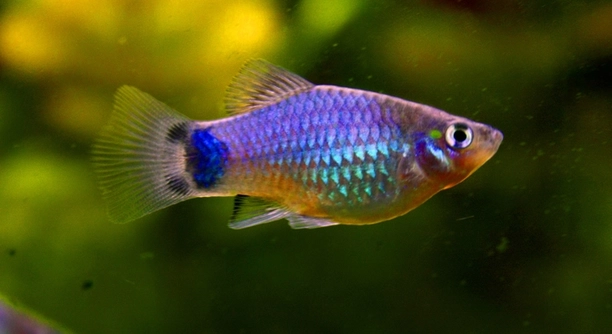
Is your platy suddenly avoiding light and spending more time in the shadows? Many fish owners notice this change and wonder if something is wrong. It can feel concerning when your usually active fish acts differently.
Platies avoid light mainly due to stress, illness, or environmental changes. Sudden brightness or poor water conditions can cause discomfort, prompting them to seek darker, safer spots. Monitoring tank conditions and fish behavior helps address these issues promptly.
Understanding why your platy prefers the shade helps you create a better environment. Knowing what to look for ensures your fish stays healthy and comfortable in its home.
Common Reasons Platies Avoid Light
Platies are generally active and curious fish, but they might start avoiding light when something changes in their environment. One common reason is stress caused by sudden changes in lighting intensity. If you recently upgraded your aquarium lights or placed the tank near a window with direct sunlight, your platy may find the light too harsh. Another reason could be poor water quality. High levels of ammonia, nitrites, or nitrates can make fish uncomfortable and cause them to hide in darker areas. Illness can also play a role; infections or parasites often make fish seek shelter to rest and avoid further stress. Lastly, natural behavior and tank setup matter. Platies like hiding spots and shaded areas, so if the tank is too bright without places to retreat, they will stay in the shadows. Watching your platy’s overall behavior and checking water parameters can reveal what’s causing the avoidance.
Regular water tests and maintaining stable lighting conditions will keep your platy comfortable.
A calm and stable environment helps your platy feel secure and less likely to hide from light.
How to Help Your Platy Adjust
Creating a comfortable space for your platy is key to helping it adjust to the lighting. Start by ensuring the aquarium has plenty of plants or decorations where your fish can hide when it wants to. These shaded areas provide security and reduce stress. Adjust your lighting so it is not too bright or sudden. Using a timer to simulate natural day and night cycles can prevent shocking your fish. Check water quality regularly and perform water changes as needed to keep the environment healthy. If you suspect illness, isolate the fish and consider consulting a vet or experienced aquarist. Observing your platy’s behavior over a few days will help you understand if the changes are working. Patience is important since fish take time to adapt. By making these adjustments, you will create a balanced habitat where your platy feels safe and active again.
Lighting and Tank Setup
Proper lighting is important for platies. Too bright light can stress them, while too dim light may affect their activity. Finding a balance keeps them comfortable and active.
Using adjustable lighting allows you to control the brightness. Platies prefer a gentle, natural light level that mimics their natural habitat. Position the tank away from direct sunlight to avoid overheating and sudden brightness changes. Incorporating plants and decorations creates shaded spots where platies can retreat if they want to avoid light. This setup not only reduces stress but also makes the aquarium more interesting for the fish. Regularly observe your platy to see how it reacts to light changes. If it hides often, consider lowering the light intensity or adding more cover. Keeping the lighting consistent daily helps platies feel secure and maintain a healthy routine.
A well-planned tank setup supports your platy’s natural behavior and promotes their overall well-being.
Water Quality and Health
Maintaining clean water is crucial for platy health. Poor water quality causes stress, leading to light avoidance.
Testing water parameters regularly prevents dangerous conditions. Ammonia, nitrites, and nitrates should be at safe levels to avoid harming your fish. Frequent water changes help keep the tank clean and balanced. Temperature should be steady between 70–78°F, as fluctuations can stress platies. Besides water quality, disease can cause your platy to hide. Watch for signs like clamped fins, spots, or sluggishness. If illness is suspected, isolate the fish and treat appropriately. A healthy environment combined with good care reduces stress and encourages your platy to swim openly under normal lighting.
Behavior Changes and Stress
Platies can become stressed due to sudden changes in their environment. This stress often causes them to avoid light and hide more than usual.
Stress factors include loud noises, overcrowding, or aggressive tank mates. Keeping a calm and stable environment helps reduce stress and improves their behavior.
Diet and Nutrition
A poor diet can weaken your platy’s immune system, making it more likely to hide and avoid light. Feeding a balanced diet with high-quality flakes, pellets, and occasional live or frozen foods supports their health and activity levels.
Tank Mates Impact
Aggressive or overly active tank mates can scare platies. If your platy avoids light, check if other fish are bothering it. Separating aggressive fish can improve your platy’s comfort and reduce hiding behavior.
FAQ
Why is my platy hiding all the time?
Platies hide often when they feel stressed or unsafe. Stress can come from poor water quality, aggressive tank mates, or sudden changes in lighting. Illness can also make them seek shelter. Make sure the tank has hiding spots and stable conditions to help your platy feel secure and reduce hiding.
Is it normal for platies to avoid light?
Yes, it can be normal if the light is too bright or sudden. Platies naturally prefer areas with some shade where they can rest. However, if the avoidance is sudden or extreme, it might signal stress, illness, or environmental problems that need to be checked.
How can I tell if my platy is sick?
Look for signs like lethargy, loss of appetite, clamped fins, spots, or abnormal swimming. If your platy avoids light and hides much more than usual, it may be unwell. Test water parameters and consider isolating the fish for observation or treatment if symptoms persist.
Can changing the light schedule help my platy?
Adjusting the light schedule can help. Platies benefit from a consistent day-night cycle with moderate light. Avoid sudden or very bright lights. Using a timer to simulate natural light patterns reduces stress and helps fish adjust better to their environment.
What water parameters are best for platies?
Platies thrive in water with a temperature between 70°F and 78°F, pH of 6.8 to 8.0, and low ammonia, nitrite, and nitrate levels. Regular water tests and changes keep these parameters stable, supporting your platy’s health and reducing stress-related behaviors like avoiding light.
Do platies need places to hide?
Yes, hiding spots are essential. Plants, decorations, and caves provide shaded areas where platies can rest or feel safe. A tank without cover may stress your fish, causing them to avoid bright areas. Offering hiding places mimics their natural habitat and improves their well-being.
Can diet affect my platy’s behavior?
A poor diet weakens the immune system, making fish more prone to stress and illness. Feeding a balanced diet with quality flakes, pellets, and occasional live or frozen food ensures good nutrition. Healthy fish are more active and less likely to hide from light or show unusual behavior.
Should I separate my platy if it avoids light?
Separation is necessary only if aggressive tank mates stress your platy. Bullying can cause hiding and light avoidance. Observe how your fish interact and separate if needed to reduce stress. Otherwise, focus on improving tank conditions and care to encourage normal behavior.
Can sudden temperature changes cause light avoidance?
Yes, sudden drops or rises in water temperature stress platies. This stress often leads to hiding and avoidance of bright areas. Maintain a stable temperature within the recommended range using a reliable heater and thermometer to keep your platy comfortable.
How long does it take for a platy to adjust to new lighting?
Adjustment can take a few days to a week. Gradually increasing light intensity helps fish adapt without stress. Watch your platy’s behavior and provide shaded spots during this period. Patience is important, as rushing changes can worsen stress and avoidance.
Platies are gentle and lively fish that bring life to any aquarium. When they start avoiding light, it can feel worrying because it’s a change from their usual behavior. This change is often a sign that something in their environment isn’t quite right. Stress, poor water quality, sudden changes in lighting, or illness are the most common reasons. Paying close attention to your platy’s behavior and the tank conditions is important. Small adjustments like adding hiding places, balancing the lighting, and keeping the water clean often help your fish feel more comfortable and active again.
Creating a calm and stable home for your platy is key. Bright or sudden lighting can cause stress, so using adjustable lights or placing the tank away from direct sunlight helps. Platies also need shaded spots, like plants or decorations, where they can retreat when they want to avoid light. Regularly checking water parameters and maintaining good water quality protects your fish from illness and stress. Remember that illness can make a platy hide more and avoid light, so observing signs like changes in appetite or movement is important. If you notice anything unusual, acting quickly by isolating the fish and treating the issue can prevent it from getting worse.
Every platy is different, and sometimes it takes a bit of patience to see improvements. Slowly adjusting the tank’s lighting, providing good nutrition, and keeping the environment stable will give your fish the best chance to return to its normal behavior. Avoid rushing changes, as platies need time to adapt. With good care and attention, your platy will feel safe and happy, swimming freely in both light and shade. Watching these little fish grow comfortable and active again can be a rewarding part of aquarium keeping.

Hello,
If you enjoy the content that we create, please consider saying a "Thank You!" by leaving a tip.
Every little bit helps us continue crafting quality advice that supports the health, happiness, and well-being of pets around the world, for pets of all shapes, sizes, and species.
We really appreciate the kindness and support that you show us!