
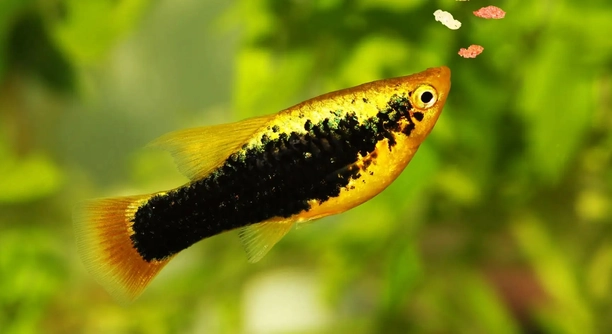
Are your platy fish suddenly avoiding light and hiding more than usual? This change in behavior can be surprising for fish owners who are used to seeing their platys swim freely. Understanding why this happens can help improve your fish’s well-being.
Platies may become afraid of light due to sudden changes in their environment, stress, poor water quality, or illness. Bright light can cause discomfort or trigger a natural instinct to seek shelter. Adjusting the tank’s lighting and environment often helps reduce this fear.
Learning about these factors can help you create a more comfortable space for your platy. Small adjustments might make a big difference in how your fish behaves.
Common Causes of Light Sensitivity in Platies
Platies may suddenly become afraid of light due to several common reasons. One main factor is stress from changes in their tank environment. Moving the tank, introducing new fish, or rearranging decorations can make platys feel insecure. Another cause is poor water quality, which can weaken their immune system and increase sensitivity to bright lights. Illness or injury might also make a platy more cautious and prone to hiding. Sometimes, the lighting itself is too harsh or intense for the fish. Using strong overhead lights or placing the tank in direct sunlight can cause discomfort. Platies naturally prefer dimmer areas, so harsh lighting disrupts their comfort zone. Lastly, sudden changes in light, such as turning the tank lights on abruptly, can startle them. Gradual lighting adjustments help the fish adapt better and reduce fear.
Reducing stress and keeping stable water conditions are essential for a healthy, comfortable platy. Proper tank lighting is also important to avoid startling them.
Ensuring your platy’s tank environment is calm and consistent will help them feel secure. Regularly check water parameters and avoid sudden changes. Adding plants or decorations can provide shaded spots where platies can retreat. Consider using a timer for the tank light to maintain a steady day-night cycle. Soft, indirect lighting is best to keep your fish calm and visible without overwhelming them. Paying attention to these details will improve your platy’s behavior and overall health.
How to Adjust Tank Lighting for Your Platy
Adjusting tank lighting properly can reduce your platy’s fear of light.
Use dimmer bulbs or lower light intensity. Avoid placing the tank where direct sunlight hits. Installing a light diffuser or adding floating plants can soften harsh light. Gradually increase light duration to help your fish get used to it.
It is important to create a balanced light cycle in your tank. Platies benefit from about 8 to 10 hours of light daily. Too much light can stress them, while too little can affect their activity and feeding. A timer can keep the light schedule consistent. Adding live plants or decorations gives your fish shaded areas where they can escape if the light feels too bright. Observing how your platy reacts during different lighting conditions will guide you in finding the right setup. Making these adjustments ensures your platy feels secure and comfortable in its environment.
Signs of Stress in Platies
Stress in platies can show through changes in behavior or appearance. They may hide more, swim erratically, or lose appetite. Faded colors and clamped fins are also signs of discomfort.
Stress weakens a platy’s immune system, making it vulnerable to illness. Common stress triggers include overcrowding, poor water quality, and sudden environmental changes. Platies under stress may isolate themselves and react more strongly to light, hiding whenever the tank is illuminated. Reducing stress means keeping the tank clean, stable, and peaceful. Regular water testing and careful tank maintenance help maintain a healthy environment. Avoid overfeeding and ensure enough space for each fish to swim freely. Creating hiding spots with plants or decorations provides a sense of security, helping platies feel less threatened. Watching your platy’s behavior closely allows early detection of stress, so you can take quick action.
Adjusting water temperature and avoiding rapid changes in the tank can also ease stress. Calm surroundings encourage platies to feel safe and display normal behavior again.
Impact of Water Quality on Light Sensitivity
Water quality greatly affects your platy’s comfort with light. Poor water conditions make fish more sensitive and prone to stress. Ammonia, nitrite, and nitrate buildup irritate their skin and gills, causing discomfort under bright lights.
Maintaining clean water involves regular partial water changes and using a good filtration system. Test the water frequently to keep parameters in a safe range: ammonia and nitrite at zero, nitrate under 20 ppm. Stable pH levels between 6.8 and 7.8 suit platies best. When water quality is poor, platys tend to hide and avoid light to protect themselves from further stress. Proper water conditions improve their overall health and reduce sensitivity. Adding live plants can help absorb excess nutrients and improve water clarity. Clean water creates a more natural environment where your platy feels comfortable, lessening its fear of light.
Tank Setup and Its Effect on Light Sensitivity
The way your tank is arranged can influence how your platy reacts to light. Open, bare tanks with no hiding places make fish feel exposed and stressed. Adding decorations or plants gives them safe spots to retreat from bright light.
A well-planned tank provides shaded areas that help reduce fear. Floating plants or caves create soft lighting zones, allowing your platy to choose its comfort level. This setup helps balance light exposure and makes the fish feel more secure in its environment.
How to Create a Comfortable Environment for Platies
Maintaining stable water temperature between 72°F and 78°F supports your platy’s comfort. Sudden temperature shifts can stress the fish and increase sensitivity to light. Keeping the temperature steady helps maintain normal behavior and reduces hiding.
Lighting Schedule Tips
Consistency in lighting helps platies adjust. Use a timer to provide about 8-10 hours of light daily. Avoid sudden changes to prevent startling your fish.
Watching for Illness
If your platy stays afraid of light despite changes, it could be sick. Look for other symptoms like lethargy or unusual spots.
Why is my platy suddenly afraid of light?
Platies may become afraid of light due to sudden changes in their environment, stress, or poor water quality. Bright or harsh lighting can startle them, making them seek shaded or darker areas. Illness or discomfort can also increase their sensitivity to light.
How can I reduce my platy’s fear of light?
Lower the intensity of your tank lighting or use a dimmer bulb. Add live or artificial plants and decorations to create shaded areas. Gradually adjust the light schedule using a timer so the fish can adapt to changes slowly without feeling shocked.
Is the type of light important for my platy?
Yes, platies prefer softer, indirect lighting. Strong LED or fluorescent lights may be too bright and stressful. Using full-spectrum lights with adjustable intensity, or adding a diffuser, helps create a more comfortable environment for them.
Can water quality affect how my platy reacts to light?
Absolutely. Poor water quality causes stress and discomfort, making platies more sensitive to their surroundings, including light. Regular water changes, filtration, and monitoring parameters like ammonia, nitrite, and nitrate keep your fish healthy and less fearful.
What are signs that my platy is stressed or sick?
Look for hiding behavior, loss of appetite, faded colors, clamped fins, or sluggish swimming. Spots, redness, or unusual marks on their body may indicate illness. These signs often appear alongside increased light sensitivity.
How long does it take for a platy to get used to new lighting?
It can take several days to a couple of weeks for platies to adjust to new lighting conditions. Gradually increasing light exposure helps speed up this process and reduces stress.
Should I change the light cycle if my platy is afraid of light?
Yes, maintaining a consistent light cycle of about 8 to 10 hours per day helps your platy feel secure. Avoid abrupt light changes by using a timer to turn the lights on and off gradually.
Can tank decorations help with light sensitivity?
Definitely. Plants, rocks, and caves provide hiding spots and shaded areas. These allow your platy to control its exposure to light and reduce fear.
Is it normal for platies to avoid light sometimes?
Yes, platies naturally prefer dimmer areas and may seek shade during bright light periods. This behavior is normal, especially during the day or when they feel stressed.
What should I do if my platy continues to hide even after changing the lighting?
Check water quality, temperature, and signs of illness. If everything looks fine, your platy may be adjusting or could be stressed by other factors like tank mates or overcrowding. Consider consulting a vet if illness is suspected.
Can temperature changes cause light sensitivity in platies?
Yes, sudden temperature drops or rises stress platies, which can make them more sensitive to light. Keeping a stable temperature between 72°F and 78°F reduces stress and helps them feel more secure.
Is it harmful to keep the tank in a dark room?
Keeping the tank too dark can affect your platy’s natural behavior and feeding. It’s important to provide a balanced light cycle with some periods of light and darkness to mimic natural conditions.
How often should I clean my tank to reduce stress?
Perform partial water changes of about 20-30% weekly or biweekly, depending on tank size and stocking. Regular cleaning prevents buildup of harmful substances that can stress your platy and increase light sensitivity.
Can other fish in the tank cause my platy to be afraid of light?
Yes, aggressive or overly active tank mates can stress platies, making them hide or avoid light. Ensure compatible fish species and enough space to reduce stress and promote calm behavior.
Are there any signs that indicate my platy is adjusting well to light changes?
Signs of adjustment include more active swimming, exploring the tank during light periods, brighter colors, and regular feeding behavior. Gradual reduction in hiding is a good sign of comfort.
When a platy suddenly becomes afraid of light, it can feel confusing. This change in behavior often signals that something in their environment needs attention. Stress, poor water quality, or a lighting setup that is too bright are common reasons. By paying close attention to your platy’s tank conditions and behavior, you can better understand what is causing the fear of light. Adjusting lighting, maintaining clean water, and creating safe spaces with plants or decorations usually help platies feel more secure and less anxious.
Taking care of a platy means creating a stable and comfortable home. Sudden changes in the tank or water can quickly upset their balance. Keeping a steady temperature and using gentle lighting reduces stress. A regular schedule for light, feeding, and cleaning will help your fish feel safe and settled. Adding hiding spots lets your platy choose when it wants to be in the light or shade, which is important for its well-being. Small steps like these often lead to noticeable improvements in behavior and health.
It is important to be patient when helping your platy adjust. Changes don’t always show results right away, but with time, your fish will become more comfortable. Watch for signs of illness or ongoing stress, and respond quickly if you see them. Keeping a calm and consistent environment is the best way to support your platy’s happiness. When the right care is given, your platy will return to its normal, active self, swimming confidently without fear of light.

Hello,
If you enjoy the content that we create, please consider saying a "Thank You!" by leaving a tip.
Every little bit helps us continue crafting quality advice that supports the health, happiness, and well-being of pets around the world, for pets of all shapes, sizes, and species.
We really appreciate the kindness and support that you show us!