
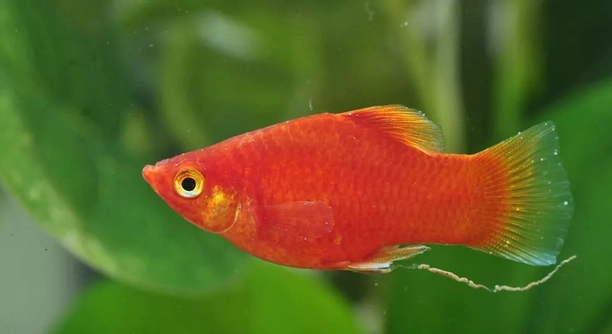
Is your platy fish spending too much time at the water’s surface? This behavior can worry many fish owners, especially when it seems unusual or persistent. Understanding why this happens can help you keep your fish healthy and comfortable in their tank.
The primary reason a platy stays at the surface is often related to low oxygen levels in the water. When oxygen is insufficient, fish instinctively move to the surface where gas exchange occurs. Other factors like water quality, temperature, and illness can also contribute to this behavior.
Knowing the causes behind surface-staying behavior is important for maintaining a healthy environment for your platy. The following information will help you identify and solve these common issues effectively.
Understanding Oxygen Levels in Your Aquarium
Low oxygen levels are the most common reason for a platy to stay near the surface. Fish rely on dissolved oxygen in the water to breathe, and the surface area is where oxygen exchange happens. When oxygen is scarce, fish swim close to the surface to get more. Several factors reduce oxygen in the tank, such as overcrowding, poor water circulation, and high temperatures. Warmer water holds less oxygen, so during hot weather or if the heater is set too high, oxygen levels can drop. Proper aeration is key. Air stones, filters that create surface agitation, or live plants can increase oxygen in the water. It is also important to avoid overfeeding, which leads to excess waste and lowers oxygen levels further.
Ensuring good oxygen levels helps keep your platy active and healthy. It also benefits other fish in your tank by maintaining a stable environment.
If you notice your platy at the surface, check aeration and temperature immediately to address oxygen issues before they worsen.
Water Quality and Tank Maintenance
Poor water quality can cause stress, making your platy linger at the surface. Waste buildup, excess ammonia, nitrites, or nitrates reduce water quality. These chemicals are toxic and can damage your fish’s gills, causing breathing problems. Regular water testing and changes are necessary to keep these levels safe. A weekly partial water change of 20-30% can reduce toxins and refresh the tank. Using a good filter and cleaning it regularly ensures the water stays clean. Avoid overstocking your tank to prevent waste accumulation. Also, keep an eye on the pH balance. Platies prefer slightly alkaline water, around pH 7.0 to 8.0. Extreme pH shifts can stress your fish and impact their behavior. Maintaining stable water parameters is crucial for your platy’s wellbeing.
To sum up, consistent tank maintenance and monitoring water conditions are vital. This not only prevents surface gasping but supports overall health. Paying attention to water quality helps your platy thrive and reduces the chances of illness. Regular testing kits make this task easier and give you confidence that the tank environment is safe. A clean, stable tank encourages natural swimming habits and allows your platy to enjoy all levels of the aquarium.
Temperature and Its Effect on Platies
High temperatures reduce oxygen in water, forcing platies to stay near the surface. Platies thrive best between 70°F and 78°F. Temperatures above this range cause stress and oxygen shortages.
Keeping your tank within the ideal temperature range is important. Using a reliable heater with a thermostat helps maintain stability. Avoid placing the tank near heat sources or direct sunlight, as this can cause fluctuations. Temperature swings stress your fish, weakening their immune system and making them more prone to illness.
If the water is too warm, your platy will often gasp for air at the surface. Cooling the tank slightly and increasing aeration can quickly improve conditions. Regularly monitoring temperature helps prevent recurring problems.
Signs of Illness Affecting Your Platy
Changes in behavior, like staying at the surface, may indicate illness. Common diseases that cause breathing difficulties include bacterial infections, parasites, and gill damage. Look for other symptoms such as lethargy, clamped fins, or discoloration. Early detection improves chances of successful treatment.
Ill fish struggle to extract oxygen, causing surface gasping. Providing a clean, well-maintained environment reduces stress and infection risks. Quarantining new fish before adding them to the tank helps prevent spreading disease. Using medications recommended by experts can address specific infections once properly diagnosed.
If your platy’s surface behavior persists despite good water quality and temperature, consider consulting a vet or fish specialist to identify and treat health issues promptly.
Overfeeding and Its Impact
Overfeeding increases waste in the tank, lowering oxygen and polluting the water. Excess food decomposes and encourages harmful bacteria growth, which stresses your platy and can cause it to stay at the surface.
Feed your platy small amounts once or twice daily. Remove uneaten food promptly to maintain water quality and prevent oxygen depletion.
Tank Size and Fish Behavior
A tank that is too small can cause stress and reduce oxygen availability. Platies need enough space to swim comfortably and avoid overcrowding, which impacts their health and behavior.
Proper tank size helps maintain stable water conditions and reduces competition for oxygen.
Aeration and Filtration
Good aeration and filtration increase oxygen levels and keep water clean. Use filters that circulate water well and create surface agitation to improve gas exchange.
Regular filter maintenance is necessary to ensure optimal performance and a healthy environment for your platy.
FAQ
Why is my platy gasping at the surface?
Platies gasping at the surface usually means they are struggling to get enough oxygen. Low oxygen levels in the tank often cause this. It can also happen if water quality is poor or if the temperature is too high. Ensuring proper aeration, good filtration, and stable water temperature will reduce surface gasping.
Can poor water quality cause my platy to stay at the surface?
Yes, poor water quality is a common reason. High levels of ammonia, nitrites, or nitrates stress fish and damage their gills, making breathing difficult. Regular water changes and testing are essential to keep these toxins low. A clean tank supports healthy breathing and activity.
How does temperature affect my platy’s behavior?
Warm water holds less oxygen, so when the temperature rises above 78°F, platies may go to the surface to breathe more easily. Keeping the tank between 70°F and 78°F prevents oxygen shortage and reduces stress on your fish.
Could illness cause my platy to stay at the surface?
Yes, illnesses like bacterial infections, parasites, or gill damage can make it hard for platies to breathe underwater. Watch for other signs such as lethargy, loss of appetite, or clamped fins. If symptoms persist, consider treatment or advice from a specialist.
Does overfeeding affect my platy’s breathing?
Overfeeding leads to leftover food that decays and pollutes the water. This process uses up oxygen and increases harmful bacteria, which can lower oxygen levels and force your platy to stay at the surface. Feed small portions and remove uneaten food promptly.
Is tank size important for my platy’s health?
Yes, tank size matters. A small or overcrowded tank reduces available oxygen and causes stress. Platies need space to swim freely and healthy water conditions. A larger tank with proper filtration supports better oxygen circulation and reduces surface gasping.
What type of filtration is best for oxygen levels?
Filters that create good water circulation and surface agitation improve oxygen exchange. Sponge filters, hang-on-back filters, or canister filters are good options. Clean your filter regularly to maintain its efficiency and keep water quality high.
Can live plants help with oxygen levels?
Live plants can improve oxygen during the day through photosynthesis. They also absorb some waste, helping water quality. However, at night plants consume oxygen, so balance is important. Choose hardy plants and avoid overcrowding to keep oxygen levels stable.
How often should I test my aquarium water?
Testing weekly is a good routine for most tanks. Check ammonia, nitrites, nitrates, pH, and temperature. Frequent testing helps catch problems early and keeps conditions safe for your platy. Use reliable test kits and record results for comparison.
What immediate steps can I take if my platy is stuck at the surface?
Check the temperature and adjust it if needed. Increase aeration using an air stone or improve filter flow. Perform a partial water change to reduce toxins. Remove uneaten food and test water quality. If no improvement occurs, consider illness as a cause.
Can adding air stones help with oxygen issues?
Yes, air stones produce bubbles that increase surface agitation and oxygen exchange. They are an easy and affordable way to boost oxygen in the tank. Use alongside a good filter to maintain proper water flow and aeration.
Should I quarantine new fish to prevent illness?
Quarantining new fish for at least two weeks prevents introducing diseases to your main tank. It allows you to observe and treat any infections before mixing fish. This step protects your platy’s health and reduces stress from sudden illness outbreaks.
How can I tell if my platy’s behavior is normal?
Platies normally swim at all levels of the tank and show curiosity. Occasional visits to the surface are fine, but constant surface staying, gasping, or lethargy signals a problem. Monitor behavior along with water conditions to identify issues early.
Is chlorine in tap water harmful to my platy?
Yes, chlorine and chloramines in tap water are toxic to fish. Always use a water conditioner to neutralize these chemicals before adding water to the tank. This simple step prevents gill damage and breathing difficulties in your platy.
Can stress cause my platy to stay at the surface?
Stress from overcrowding, sudden changes, poor water quality, or aggressive tank mates can affect breathing. Stressed fish may seek the surface to breathe easier. Keeping a stable, peaceful environment reduces stress and promotes natural behavior.
What role does pH play in platy health?
Platies prefer slightly alkaline water, around pH 7.0 to 8.0. Large or sudden pH changes can stress fish and harm their gills. Regular monitoring and slow adjustments help maintain a stable pH, supporting healthy breathing and overall wellbeing.
When your platy spends a lot of time at the surface, it is a clear sign that something in its environment needs attention. The most common reason is low oxygen in the water. Fish breathe by absorbing oxygen dissolved in water, and the surface is where oxygen enters. If oxygen levels drop, your platy will naturally move closer to the surface to get more air. This is not a behavior to ignore because it can quickly affect your fish’s health. Checking oxygen levels and making sure your tank has good aeration is important for keeping your platy comfortable and healthy.
Water quality plays a major role in how your platy behaves. Poor water conditions caused by high levels of ammonia, nitrites, or nitrates create stress and breathing difficulties. These chemicals come from fish waste, uneaten food, and decaying plants. Keeping the water clean with regular changes and good filtration is necessary. Overfeeding can make the problem worse by adding more waste to the tank. Maintaining a clean environment helps prevent many health issues and allows your platy to swim freely at all levels of the tank, not just the surface.
Temperature and illness can also cause your platy to stay near the surface. Warmer water holds less oxygen, so keeping the tank within the right temperature range helps avoid oxygen shortages. Illnesses like bacterial infections or parasites may affect your platy’s gills, making breathing difficult. Watching for other symptoms and seeking treatment early can make a big difference. Overall, paying attention to oxygen, water quality, temperature, and fish health creates a stable environment. This allows your platy to thrive and enjoy a full, active life in the aquarium.

Hello,
If you enjoy the content that we create, please consider saying a "Thank You!" by leaving a tip.
Every little bit helps us continue crafting quality advice that supports the health, happiness, and well-being of pets around the world, for pets of all shapes, sizes, and species.
We really appreciate the kindness and support that you show us!