
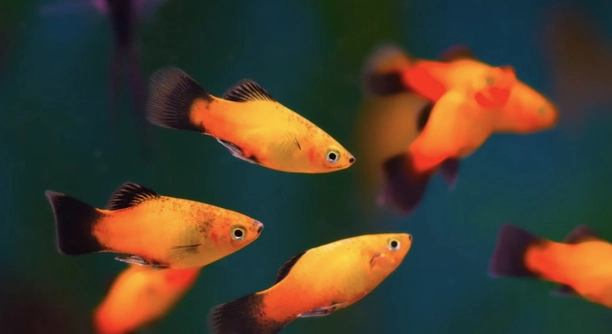
Is your platy fish suddenly staying completely still in its tank? This behavior can be concerning for many fish owners who expect their pets to be active and lively. Understanding why this happens can help keep your platy healthy and comfortable.
Platies may stay still due to stress, illness, poor water quality, or changes in their environment. It is essential to monitor water parameters, temperature, and behavior closely to identify the underlying cause and take appropriate action to ensure their well-being.
Learning the reasons behind this behavior will help you provide better care for your platy and maintain a healthy aquarium environment for all your fish.
Common Reasons Why Your Platy Is Staying Still
One frequent cause for a platy’s stillness is poor water quality. Platies are sensitive to changes in their environment, especially when ammonia, nitrite, or nitrate levels rise. Sudden fluctuations in temperature can also stress them, leading to inactivity. Illnesses such as ich or bacterial infections often make fish lethargic. Stress from overcrowding or aggressive tank mates may cause your platy to hide and remain still to avoid conflict. Sometimes, platies stay motionless because they are resting or digesting food, which is normal behavior. It’s important to check your tank’s conditions regularly and watch for other signs like discoloration or erratic swimming. Taking action early can prevent serious health issues and help your platy regain its normal energy levels.
Testing water parameters daily during any unusual behavior helps ensure your tank environment is safe.
If your platy is still, start by checking water quality, temperature, and tank companions before assuming illness.
How to Improve Your Platy’s Activity Level
Platies need a stable environment with clean, well-maintained water. Regular water changes, about 25% weekly, can keep toxin levels low and promote a healthy tank. Maintaining a consistent temperature between 74°F and 80°F is ideal for platies. Avoid sudden changes, which can stress the fish. Ensure your tank has plenty of hiding spots, plants, and space to swim freely, which reduces stress. Feeding a balanced diet with quality flakes or pellets helps maintain energy. If illness is suspected, isolate the affected fish and consider consulting a veterinarian or aquarium specialist for treatment options. Observe your platy daily for signs of improvement or worsening condition. Patience and careful attention often lead to better health and more active behavior. Consistency in care is key to keeping your platy happy and moving around.
Monitoring Your Platy’s Behavior Closely
Keeping an eye on your platy’s behavior is important to catch problems early. Note any changes in movement, appetite, or interaction with other fish.
Watch for signs like gasping at the surface, clamped fins, or unusual hiding. These indicate stress or illness. Healthy platies swim actively and respond to feeding times. If you notice your fish staying still for long periods, it could mean discomfort or disease. Sometimes, a slight change in behavior precedes more serious issues. Observing closely allows you to react quickly. Regularly check your fish during feeding and tank cleaning to stay aware of their condition. Recording any changes can help you identify patterns or triggers that affect your platy’s health.
It also helps to observe other fish for signs of aggression or bullying. Social stress can cause a platy to stay still. If tank mates are aggressive, consider rearranging decorations or separating fish to reduce stress and improve your platy’s activity.
Environmental Factors Affecting Platy Activity
Temperature fluctuations in the tank can cause platies to become lethargic or still. Keeping the water temperature stable is essential. Sudden drops or spikes stress the fish and affect metabolism.
Light cycles also impact behavior. Platies need consistent day and night periods to regulate activity. Too much or too little light can cause inactivity. Overcrowding reduces swimming space and raises waste levels, leading to poor water quality. Tank size should allow free movement and reduce competition. Decorations and plants provide hiding places, but overcrowding these can limit swimming space and cause stress. Proper filtration maintains water clarity and quality, supporting a healthy environment. Regular maintenance of tank conditions helps platies stay active and healthy. Addressing these environmental factors ensures your fish can thrive and avoid unnecessary stress that leads to stillness.
Stress and Its Impact on Platy Behavior
Stress can cause a platy to remain still for long periods. Changes in the tank, aggressive tank mates, or poor water quality often trigger stress.
Stress weakens the immune system, making fish more vulnerable to disease. Reducing stress is key to improving activity and health.
Signs of Illness in Platies
Illness often leads to lethargy and stillness. Look for faded colors, clamped fins, or spots on the body. Difficulty breathing or loss of appetite are also common signs. Early detection improves treatment success.
Importance of Tank Maintenance
Regular cleaning and water changes keep the environment healthy. Removing uneaten food and debris prevents harmful buildup. Proper maintenance supports your platy’s overall well-being and encourages natural activity.
Feeding Habits Affecting Activity
Platies need a balanced diet for energy. Overfeeding or poor-quality food can cause lethargy. Feeding small, frequent meals supports consistent activity.
Why is my platy staying still but breathing fast?
If your platy is still but breathing rapidly, it often signals poor water quality or low oxygen levels. Ammonia, nitrite, or nitrate buildup can cause stress and affect breathing. Insufficient aeration or a clogged filter may reduce oxygen availability, leading to faster gill movement as the fish tries to compensate. Testing water parameters and improving aeration usually helps resolve this issue.
Can platies stay still when they are resting?
Yes, platies sometimes remain still while resting, especially during nighttime or after eating. This behavior is normal and differs from illness-related stillness because the fish will return to normal activity shortly. Resting platies usually have relaxed fins and show no signs of distress or unusual behavior.
What water parameters are best for platies?
Ideal water temperature for platies is between 74°F and 80°F (23°C to 27°C). The pH should be neutral to slightly alkaline, around 7.0 to 8.2. Ammonia and nitrite levels must always be zero, while nitrates should stay below 20 ppm. Keeping these parameters stable promotes health and activity.
Could my platy be sick if it is staying still?
Yes, illness is a common reason for inactivity. Diseases like ich, fin rot, or bacterial infections cause lethargy. Look for additional symptoms such as spots, discoloration, torn fins, or loss of appetite. If sickness is suspected, isolate the fish and treat it promptly with appropriate medication.
How often should I clean my platy’s tank?
Cleaning the tank once a week with a 20-30% water change is recommended. This removes waste and prevents toxin buildup without stressing the fish. Avoid full tank cleanings unless necessary, as they disrupt beneficial bacteria essential for a healthy environment.
Is my platy’s behavior normal if it stays still near the surface?
Platies staying still near the surface may be seeking oxygen or trying to escape poor water conditions. If this happens frequently, test the water and check for signs of illness. Providing better aeration and improving water quality often corrects this behavior.
Why might my platy hide and stay still?
Hiding and stillness can indicate stress, fear, or illness. Changes in the tank setup, new tank mates, or aggressive fish may cause your platy to seek shelter. Ensuring enough hiding places and peaceful tank mates helps reduce stress and encourages normal activity.
How long can platies stay still before it becomes a problem?
If your platy remains still for more than a few hours during the day or stops responding to feeding, it signals a problem. Prompt action such as checking water conditions and observing for illness is necessary. Early intervention improves recovery chances.
Can poor diet cause my platy to be inactive?
Yes, an unbalanced diet or overfeeding can cause lethargy. Platies need varied food rich in nutrients. Feeding high-quality flakes, pellets, and occasional live or frozen foods supports energy levels. Avoid overfeeding to prevent water quality issues and sluggishness.
Should I quarantine a platy that is staying still?
Quarantining a still platy is a good precaution, especially if illness is suspected. Isolation prevents the spread of disease and allows closer monitoring. Use a separate tank with clean water and appropriate treatment if needed.
When a platy stays completely still, it can be worrying, but this behavior often has simple explanations. Sometimes, the fish is just resting or adjusting to changes in its environment. More often, stillness signals stress, illness, or poor water conditions. Understanding these factors can help you take the right steps to improve your platy’s health. Regular observation and proper care make a big difference in preventing problems and helping your fish stay active.
Maintaining a stable, clean tank is essential for your platy’s well-being. Water quality, temperature, and tank environment should be checked regularly. Small issues like high ammonia or temperature swings can cause stress, leading to stillness or other signs of illness. Providing a balanced diet and a peaceful tank environment also supports your platy’s health. When signs of sickness appear, acting quickly by isolating the fish and seeking treatment can prevent further problems.
Caring for a platy requires attention to both its environment and behavior. Monitoring changes in activity or appearance helps catch problems early. While stillness can sometimes be normal, prolonged inactivity is usually a sign something needs attention. Taking the time to learn about your platy’s needs and habits will help you provide the best care possible. This will allow your platy to thrive and bring more enjoyment to your aquarium.

Hello,
If you enjoy the content that we create, please consider saying a "Thank You!" by leaving a tip.
Every little bit helps us continue crafting quality advice that supports the health, happiness, and well-being of pets around the world, for pets of all shapes, sizes, and species.
We really appreciate the kindness and support that you show us!