
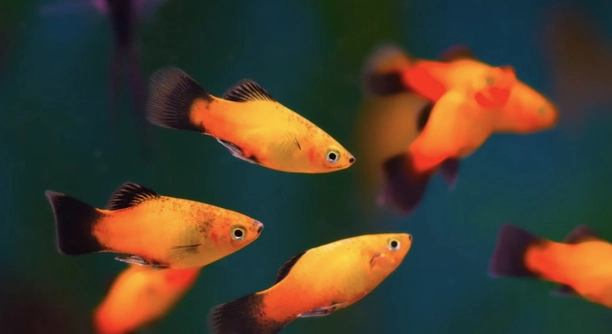
Many platy owners notice their fish scraping against the gravel and wonder if it is a normal behavior or a sign of trouble. This action can seem strange and even worrying if you are new to keeping these lively fish. Understanding why it happens can help you keep your platy happy and healthy.
Platies scrape against gravel mainly due to irritation caused by parasites, poor water conditions, or fin damage. This behavior often indicates discomfort or an attempt to relieve itching, making it important to check water quality and fish health promptly.
Recognizing the reasons behind this behavior will help you take quick steps to improve your platy’s environment and wellbeing.
Common Causes of Gravel Scraping in Platies
Platies may scrape against gravel for several reasons, most often related to their health or environment. One of the main causes is the presence of external parasites, such as ich or flukes. These tiny pests irritate the fish’s skin, making them rub against surfaces to try to remove the discomfort. Another common reason is poor water quality. High levels of ammonia, nitrites, or nitrates can cause irritation and stress, leading to unusual behavior like scraping. Physical injury or fin damage can also make a platy sensitive to touch, encouraging it to rub against the gravel. Sometimes, platies scrape when they are shedding their skin or during breeding periods, but this is less common. Monitoring water conditions regularly and observing the fish closely can help identify and solve these issues before they become serious problems.
Checking water parameters frequently and maintaining a clean tank are key to preventing scraping.
Taking care of water quality, avoiding overcrowding, and inspecting your fish for signs of illness are essential steps to reduce scraping behavior in platies.
How Water Quality Affects Your Platy
Poor water conditions are a major reason for gravel scraping in platies. When the water contains toxins like ammonia or nitrites, it irritates the fish’s skin and gills. These chemicals build up quickly in tanks without regular cleaning or proper filtration. Even a slight imbalance can stress platies, causing them to act strangely or become sick. In some cases, hard water with high mineral content may also cause discomfort. It’s important to test your tank water weekly to ensure safe levels of ammonia, nitrites, nitrates, and pH. Keeping the water clean through regular changes, using good filtration, and avoiding overcrowding will make your platy feel more comfortable. Healthy water means a happier fish with less chance of scraping or other unusual behaviors. Regular attention to water quality is one of the easiest ways to keep your platy healthy and active.
Parasites and Skin Irritations
Parasites are a frequent cause of scraping behavior in platies. These tiny pests attach to the fish and cause itching or irritation, which leads to rubbing against gravel or tank surfaces.
External parasites like ich or flukes can cause visible white spots or redness on your platy’s body. When infected, fish often scrape to relieve discomfort. Early detection is important because untreated parasites can worsen quickly and harm your fish. Treatment usually involves medication and improving tank hygiene to remove parasite eggs. If you notice scraping along with clamped fins or lethargy, a parasite infection is likely. Regular observation and quick action can protect your platy from serious harm.
Skin irritations can also result from chemical exposure, such as chlorine or heavy metals in tap water. Using a water conditioner and testing your water source helps avoid these problems. Keeping your tank clean and stable prevents skin damage that makes fish scrape.
Physical Injuries and Fin Damage
Injuries or damaged fins often cause platies to scrape against gravel. Sharp decorations or aggressive tank mates can lead to torn fins or bruised skin, making fish uncomfortable. When injured, platies may try to rub the sore spots against rough surfaces to ease irritation or remove dead tissue. It’s important to check your tank environment for anything that might cause harm and remove it promptly.
Injuries can also come from fights with other fish, especially if the tank is overcrowded. Aggressive behavior increases stress and damage risk, leading to scraping and other unusual actions. Providing plenty of hiding spots and enough space can reduce aggression and injury.
If you spot torn fins or wounds, treat the tank water with mild antibacterial medications and isolate injured fish if possible. Healing is faster in a calm, clean environment without threats. Keeping your platy safe and comfortable prevents scraping caused by physical damage.
Stress and Environmental Changes
Stress can cause platies to scrape against gravel. Changes in tank conditions, such as new decorations or sudden water parameter shifts, can make fish uneasy. Stress weakens their immune system, making them more prone to irritation and scraping behaviors.
Keeping the environment stable and familiar helps reduce stress. Gradual changes and a peaceful tank improve your platy’s comfort and health.
Nutritional Deficiencies
A poor diet lacking essential nutrients can cause skin problems and discomfort in platies. Deficiencies in vitamins and minerals may lead to itching, prompting scraping behavior. Feeding a balanced diet with high-quality flakes, pellets, and occasional live food supports healthy skin and scales.
Monitoring and Treatment
Regularly observe your platy’s behavior and appearance for signs of scraping or illness. Quick action in improving water quality, adjusting diet, or treating parasites can prevent serious health issues. Early intervention keeps your fish comfortable and thriving.
FAQ
Why does my platy keep scraping against the gravel even when water looks clean?
Sometimes, water may appear clean but still have harmful chemicals like ammonia or nitrites at unsafe levels. These toxins irritate the fish’s skin, causing scraping. It’s important to test the water regularly using aquarium test kits and perform partial water changes to keep conditions safe. Other causes might be parasites or mild injuries that are not easily visible. Keeping a close eye on your platy and tank conditions helps find the real cause quickly.
Can scraping be a sign of illness in my platy?
Yes, scraping often signals illness. External parasites like ich cause intense itching, leading fish to rub against gravel or decorations. Fungal or bacterial infections can also cause skin irritation. If scraping is accompanied by other signs like lethargy, loss of appetite, or discoloration, it’s best to treat the tank and isolate affected fish if needed. Early diagnosis improves the chances of recovery.
Is it normal for platies to scrape during breeding?
Some scraping can occur during breeding due to increased activity and stress, but frequent or aggressive scraping is not typical. Breeding behavior usually involves chasing and nipping rather than constant rubbing. If scraping becomes excessive, it might indicate health issues or poor water quality that need attention.
How can I prevent my platy from scraping against gravel?
Maintaining good water quality is the most effective prevention. Test water weekly, do regular partial water changes, and avoid overcrowding. Provide a balanced diet and ensure the tank environment is safe, with no sharp objects or aggressive tank mates. Quarantining new fish before adding them helps avoid introducing parasites or diseases.
Should I change the type of substrate to stop scraping?
Changing substrate can help if your gravel is too rough or sharp, causing physical irritation. Smooth sand or rounded gravel may reduce scraping related to discomfort. However, scraping caused by parasites, water issues, or injury won’t be fixed by substrate change alone. Always address the underlying cause first before changing the tank setup.
How do I treat my platy if scraping is caused by parasites?
Treating parasites usually involves medicated baths or adding medication to the tank. Common treatments include copper-based medicines or formalin, depending on the parasite type. It’s important to follow instructions carefully and remove activated carbon from filters during treatment. Improving water quality and cleaning the tank helps prevent reinfection. Isolating infected fish speeds recovery and protects others.
Can stress cause scraping, and how do I reduce it?
Yes, stress weakens fish and causes abnormal behaviors like scraping. Stress can result from poor water conditions, overcrowding, aggressive tank mates, or sudden changes. Reduce stress by maintaining stable water parameters, providing hiding places, avoiding overstocking, and introducing changes slowly. Calm, peaceful tanks help platies feel safe and reduce scraping.
Is scraping harmful to my platy?
Occasional scraping is usually harmless, but frequent scraping can damage skin and fins, increasing infection risk. Persistent irritation means the fish is uncomfortable and needs help. Untreated causes may lead to serious health problems, so it’s important to identify and fix why your platy is scraping.
How long does it take for scraping behavior to stop after treatment?
The time varies depending on the cause. Parasite treatments usually show improvement within a few days, while healing from injuries may take weeks. Improving water quality often leads to faster recovery. Continue monitoring and maintaining ideal tank conditions to help your platy fully recover and stop scraping.
Can other fish in the tank cause my platy to scrape?
Yes, aggressive or territorial fish can stress platies or injure them, causing scraping. Watch for signs of bullying, such as torn fins or hiding behavior. If aggression is the cause, separating aggressive fish or increasing tank size and hiding spots can reduce conflicts and scraping.
Are there natural remedies to reduce scraping?
Some aquarists use salt baths or natural remedies like aquarium salt to soothe fish skin and reduce parasites. However, these should be used carefully and according to dosage instructions. Natural plants and proper tank maintenance support a healthy environment, reducing scraping causes naturally. Always research before using any remedy.
Can diet improve skin health and reduce scraping?
Yes, a balanced diet rich in vitamins and minerals supports healthy skin and immune function. High-quality flakes or pellets designed for tropical fish, supplemented with live or frozen foods, provide essential nutrients. Poor nutrition weakens the fish, making them more prone to irritation and scraping. Feeding varied and nutritious meals helps keep your platy comfortable.
Platies are generally hardy fish, but scraping against gravel is a sign that something may be bothering them. This behavior is not normal when it happens often and should be taken seriously. It usually means the fish is feeling discomfort, whether from parasites, water problems, or injuries. Watching your platy closely and understanding why it scrapes can help you take the right steps to improve its health. Early attention to these signs prevents more serious issues from developing.
Water quality is one of the most important factors in keeping platies healthy and comfortable. Even if the tank looks clean, harmful chemicals like ammonia or nitrites can build up quickly and irritate your fish. Regular testing and partial water changes keep the environment safe. Clean water helps reduce stress and prevents skin irritation that leads to scraping. Along with water care, providing a balanced diet and a safe tank setup with no sharp objects will support your platy’s overall well-being.
If scraping continues despite good water conditions, look for signs of parasites or injury. Parasites often cause itching that makes fish rub themselves against gravel or decorations. Injuries from rough tank decorations or aggressive tank mates can also cause discomfort. Treating parasites early and keeping the tank safe helps your platy heal faster. Remember, consistent care and observation are key. By keeping the tank clean, stable, and free from stressors, you help your platy live a happy and healthy life without scraping problems.

Hello,
If you enjoy the content that we create, please consider saying a "Thank You!" by leaving a tip.
Every little bit helps us continue crafting quality advice that supports the health, happiness, and well-being of pets around the world, for pets of all shapes, sizes, and species.
We really appreciate the kindness and support that you show us!