
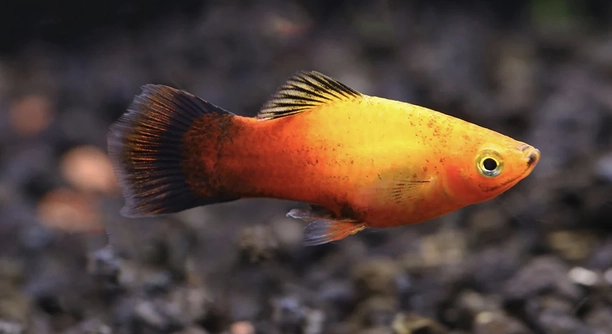
Is your platy keeping to itself while the rest of the tank seems lively and social? You’re not the only one noticing this quiet behavior. Many fish owners come across similar situations and wonder what could be wrong.
Platys may isolate themselves due to stress, illness, poor water conditions, or social dynamics within the tank. A sudden change in behavior often points to environmental or health-related factors that should be addressed promptly.
From understanding social stress to checking water parameters, learning the root cause can help you support your fish and restore harmony.
Common Reasons Your Platy Is Isolating
Platys are usually active and social, so it can be worrying when one starts acting differently. A platy may separate itself from the group if it’s feeling stressed. This can be due to sudden changes in water temperature, poor water quality, or overcrowding in the tank. Illness is another major reason—if a fish feels unwell, it often avoids others. Injuries or infections can also lead to isolation. Sometimes, a fish might be getting bullied by more dominant tank mates, especially in a community tank with aggressive species. New fish added to the tank can disrupt social order, making older fish hide or withdraw. Even lighting and loud noise near the aquarium can affect behavior. Observing your fish and checking for other signs like faded color or unusual swimming patterns can help you figure out what’s going on and act quickly before the problem gets worse.
A platy that hides often or swims slowly might be dealing with something more than just a mood.
It helps to monitor feeding times. If your platy stops eating, that’s usually a sign of discomfort or illness. Keep an eye on how it interacts with others and how it responds to movement or light. Simple details tell a lot.
How to Help Your Platy Rejoin the Group
Start by checking water conditions. Ammonia, nitrite, and pH levels that are out of range can make any fish feel stressed.
Testing the tank water regularly is one of the most effective ways to prevent issues. Platys thrive in stable environments. Even small shifts in temperature or chemical levels can affect their health. Keep the tank clean, do regular partial water changes, and avoid overfeeding. If your platy shows signs of illness like clamped fins or white spots, consider isolating it in a separate tank for treatment. Look at your tank mates too—sometimes one aggressive fish is enough to make others hide. If that’s the case, rearrange decorations to break up territories or separate certain fish. Make sure your platy has hiding spots that help it feel safe but not completely isolated. If you’ve recently added new fish, give your platy some time to adjust. With the right care and attention, it often starts acting normally again.
Signs Your Platy May Be Unwell
Look for signs like loss of appetite, rapid gill movement, torn fins, clamped fins, white spots, or odd swimming behavior. These signs often point to illness or poor tank conditions and should be addressed quickly to avoid further issues.
If your platy has stopped eating, hides most of the day, or stays near the bottom of the tank, these could all be signs of distress. Erratic swimming, scratching against objects, or gasping at the surface often means something is wrong. Poor water quality is one of the main causes, but illness or bullying can also lead to these behaviors. Sudden color loss or bloating should not be ignored. Try separating the fish if it’s being bullied and check for visible signs of disease. Even a usually social platy may isolate itself if it’s in pain or having trouble breathing.
Stress can weaken your platy’s immune system, making it more likely to get sick. A fish that avoids others and shows any physical changes should be watched closely. A quarantine tank can help you observe the fish better and begin treatment if needed. Look for patterns over time—occasional hiding is normal, but constant isolation means something’s off. Timely care makes a big difference in recovery.
Social Dynamics in the Tank
Platys are peaceful fish, but they still form social hierarchies. A more dominant fish may chase or nip at a weaker one, causing it to withdraw. This often happens when the tank is overcrowded or lacks enough hiding spots.
Aggression or bullying doesn’t always involve direct attacks. Sometimes, subtle chasing or blocking during feeding time can stress a less dominant platy. This kind of behavior may go unnoticed until one fish starts to hide constantly. Mixing species with very different temperaments can also create tension. Even within the same species, gender balance matters. Too many males can lead to stress among females, as they get chased too often. You can help by creating a balanced group and providing more plants or decorations to break up sightlines. This reduces stress and gives each fish a place to retreat when needed. Creating space helps your platy feel safe enough to swim freely again.
Environmental Factors That Affect Behavior
Temperature swings, loud noises, and strong lighting can cause stress. Platys prefer calm environments with steady temperatures between 72–78°F. Sudden changes or constant noise near the tank may lead them to hide or stay away from others.
Poor tank layout can also affect behavior. A tank without plants or hiding spots makes fish feel exposed. Platys need areas where they can retreat when stressed. Lack of shelter increases tension, especially in a shared tank with active or aggressive species.
When to Consider Isolation
If your platy is showing ongoing signs of stress or illness despite stable water conditions and a peaceful tank setup, isolation might help. Moving it to a separate tank allows you to observe symptoms more closely and prevent possible spread of disease. Use a clean, cycled tank with a filter and heater. Make sure to match the main tank’s water parameters. Add hiding spots and keep the lighting soft. This setup gives your platy a calm space to recover. Isolation also works when treating for infections or parasites. Once it’s active and eating again, you can consider reintroducing it carefully.
Watch Behavior After Reintroduction
Once your platy is back in the main tank, watch how it reacts to other fish. Sudden changes may still affect it.
FAQ
Why is my platy swimming alone and avoiding others?
Platys may swim alone due to stress, illness, or changes in their environment. If the water quality is poor, or if there is bullying from other fish, your platy may isolate itself. Sometimes, a sick fish hides to avoid attention and conserve energy. Check tank conditions and watch for any signs of illness.
How can I tell if my platy is sick or just shy?
Signs of sickness include loss of appetite, clamped fins, pale colors, rapid breathing, and unusual swimming patterns. A shy platy will still eat normally and swim around occasionally. Illness often comes with physical changes or behavior that gets worse over time.
Can tank mates cause my platy to hide?
Yes, aggressive or overly active tank mates can stress a platy and make it hide. Even non-aggressive fish can cause stress if the tank is overcrowded or lacks enough hiding spaces. Creating a peaceful environment and providing plants or decorations helps reduce stress.
What water conditions do platys prefer?
Platys thrive in stable water with temperatures between 72–78°F (22–26°C), pH levels around 7.0 to 8.2, and low ammonia and nitrite levels. Regular water testing and changes keep the environment safe and comfortable for your fish.
Should I isolate my platy if it’s hiding too much?
If your platy shows signs of illness or stress that don’t improve with better tank care, isolating it in a quarantine tank is a good idea. This allows you to treat the fish safely and monitor its recovery without interference.
How long does it take for a platy to recover and rejoin the group?
Recovery time varies depending on the cause of isolation. Stress relief and minor illnesses may take a few days, while serious infections can take weeks. Patience and careful care help your platy get back to normal.
Can I prevent my platy from refusing to swim with others?
Yes, prevention involves maintaining good water quality, keeping a balanced and peaceful tank community, and providing plenty of hiding spots. Avoid overcrowding and sudden changes in environment. Regular observation helps catch problems early.
Does diet affect my platy’s social behavior?
A healthy diet supports immune function and overall well-being, which impacts behavior. Poor nutrition can weaken your platy and make it less active or social. Feed high-quality flakes, pellets, and occasional live or frozen foods to keep it healthy.
Is it normal for platys to have quiet moments alone?
Yes, platys sometimes rest or explore alone, which is normal. However, constant isolation or changes in behavior should be watched closely to rule out stress or illness.
What should I do if my platy is bullied by other fish?
If bullying happens, try rearranging the tank layout to break territories and add plants or decorations. You can also separate aggressive fish or move the bullied platy to a safer tank until it recovers. Balancing the number of males and females reduces aggression.
These answers cover many common concerns about why a platy may refuse to swim with others. Observing your fish and making small adjustments usually helps them feel safe and active again.
When a platy starts to avoid swimming with other fish, it can feel frustrating and confusing. This behavior is often a sign that something in the environment or within the fish itself is not quite right. Paying close attention to your platy’s actions and surroundings is important. Changes in water quality, temperature, or tank mates can all affect how your fish behaves. Sometimes, a platy just needs a little time to adjust to new conditions or tankmates, but other times it can be a sign of illness or stress that needs immediate care. Understanding these signs early helps prevent bigger problems and keeps your fish healthier for longer.
Keeping your tank clean and stable is one of the best ways to encourage your platy to be social again. Regular water changes, monitoring water parameters, and making sure the tank is not overcrowded all help reduce stress. A well-planted tank with enough hiding places makes your platy feel safe, which can boost its confidence to swim and interact with others. If you notice bullying or aggressive behavior from other fish, changing the tank setup or separating aggressive individuals can make a big difference. Sometimes, isolating the platy in a quarantine tank is necessary, especially if illness is suspected. This allows for close observation and treatment without putting other fish at risk.
Overall, patience and care are key when helping a platy that refuses to swim with others. Fish are sensitive creatures, and small changes can affect them deeply. By maintaining good water quality, a peaceful community, and providing plenty of places to hide, you create an environment where your platy can feel comfortable and thrive. Watching for early signs of trouble and acting quickly can save your fish from stress and illness. With consistent care, your platy will likely return to its normal social behavior and bring life back to your aquarium.

Hello,
If you enjoy the content that we create, please consider saying a "Thank You!" by leaving a tip.
Every little bit helps us continue crafting quality advice that supports the health, happiness, and well-being of pets around the world, for pets of all shapes, sizes, and species.
We really appreciate the kindness and support that you show us!