
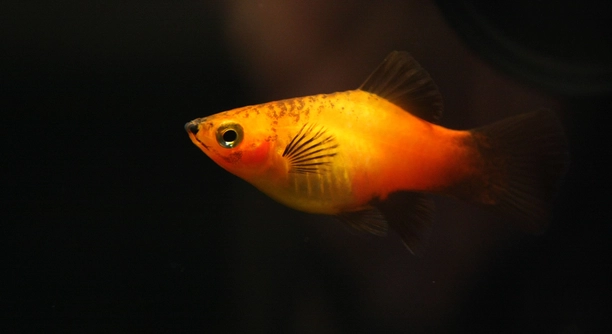
Is your platy suddenly showing bright or dark patches that weren’t there before, leaving you unsure about what’s going on?
Platies can change color rapidly due to stress, illness, environmental changes, diet, or social dynamics. These shifts are often a response to poor water conditions, sudden temperature changes, or conflicts with tank mates, all affecting pigmentation.
There are several factors that influence color change in platies, and understanding them can help you keep your fish healthy and stress-free.
Common Reasons Your Platy Is Changing Color
Color changes in platies often happen because of stress, illness, diet, or changes in water quality. Stress can come from aggressive tank mates, sudden shifts in temperature, or poor oxygen levels. Sometimes, changes in color are temporary and harmless, but they can also be an early sign that something is wrong. Diseases like ich or fin rot can trigger rapid color fading or darkening. Diet also matters—if your platy isn’t getting enough nutrients, its colors may dull over time. Platies also naturally change color as they age or due to selective breeding traits, especially in males during mating displays. Understanding the reason behind the change will help you know if it’s something to worry about or not. Watch your fish’s behavior and body language carefully—these clues are just as important as physical appearance. When unsure, testing the water and reviewing recent changes to the tank is a good place to start.
Stress is one of the most common reasons platies suddenly darken or lose color. It’s often easy to overlook.
A platy that was once bright and active may appear dull, motionless, or hide more often. If the water is too cold or contains high ammonia levels, this behavior can quickly follow. Tank aggression also plays a role. Even if your platy seems healthy otherwise, consistent bullying or overcrowding can cause noticeable stress, reflected in its color. Make sure your tank has plenty of space, hiding spots, and stable water conditions. Testing the water weekly can prevent problems early on. A clean, quiet tank makes a big difference in your fish’s well-being.
When Color Change Is a Sign of Illness
Color changes linked to illness often come with other symptoms like clamped fins, labored breathing, or white spots. These should not be ignored.
If your platy is sick, you may see pale patches, rough scales, or sudden dark streaks that weren’t there before. Fungal and parasitic infections often begin subtly and spread fast if not treated. Ich, for example, appears as tiny white dots but can also cause general fading of color. Internal infections, though harder to see, can also change your fish’s appearance. If your platy shows any of these signs, isolate it and monitor its condition closely. A separate hospital tank can prevent the spread of illness and help your fish recover faster. Adjusting the temperature slightly (as recommended for the specific illness), adding aquarium salt, or using prescribed medications may help, depending on the diagnosis. Avoid guessing—research the symptoms or consult an aquarium specialist if you are unsure. Quick action improves the chances of recovery.
Environmental Factors That Influence Color
Poor water quality is a major reason for color changes in platies. High ammonia or nitrite levels cause stress, which quickly shows through dull or darkened scales. Unstable temperatures and low oxygen levels can also affect their appearance.
Platies thrive in warm, stable water with a temperature range between 72°F and 78°F. Sudden changes outside this range can lead to rapid color shifts. Make sure your tank is not placed near windows, vents, or drafty areas. Even something as simple as forgetting to dechlorinate new water can have a visible effect on your fish. If you notice color changes after a water change or new addition to the tank, test your water immediately. A good filter, regular water changes, and live plants help maintain stable conditions. Don’t skip water testing—it helps prevent stress before it affects your fish’s appearance.
Lighting also plays a role. Platies kept in tanks with poor or overly bright lighting may show faded or uneven colors. Bright lights can increase stress if your fish have nowhere to hide. Provide balanced lighting with natural day-night cycles. Use a timer to create consistency, and include shaded areas or plants to help your fish feel secure. This helps encourage their natural colors to return and stay bright.
The Role of Diet and Nutrition
Low-quality food can lead to fading colors and poor health in platies. Color-enhancing flakes or pellets made for livebearers are ideal, especially when paired with occasional fresh vegetables or frozen treats like daphnia or brine shrimp.
A healthy diet supports vibrant coloration and overall energy. Feed a balanced mix of high-protein flakes, algae-based food, and live or frozen items. Platies need variety to maintain good color and immune strength. Avoid overfeeding, as leftover food breaks down and harms water quality. Feed small amounts two times a day and watch for uneaten bits. You’ll also notice a boost in activity and brightness when your platies eat well. Spirulina, krill, and natural color boosters like beta-carotene help bring out reds and oranges. Read ingredient labels and avoid fillers like wheat or soy as the main ingredient. Your fish’s colors often reflect the effort you put into their nutrition.
Natural Color Changes in Platies
Some color changes are completely normal. Young platies often develop stronger colors as they grow, while older fish may fade slightly with age. Male platies may also brighten during mating behavior to attract attention.
Genetics also plays a part. Certain platy varieties carry genes that cause natural color shifts over time. This is not harmful.
When to Take Action
If your platy’s color change is sudden and paired with other symptoms like sluggish movement, loss of appetite, or physical damage, it’s time to act. Start by checking water quality using test strips or a liquid test kit. Fixing ammonia, nitrite, or pH issues can reverse the problem quickly. If water quality is fine, observe tank behavior closely. Is another fish chasing or nipping at your platy? Is it hiding more than usual? These can be signs of stress or illness. Remove aggressive tank mates or isolate the affected fish if needed. If the issue doesn’t improve, consult a vet or aquarium expert.
Final Thoughts on Color Changes
Not all color changes mean something is wrong, but it’s important to notice patterns and respond early. A little observation can help keep your platy healthy and looking its best.
FAQ
Can platies change color overnight?
Yes, platies can sometimes change color overnight, especially when stressed or exposed to sudden environmental changes. This might happen after a water change, temperature shift, or a stressful interaction with tank mates. You may notice darkened or faded patches the next morning. In some cases, the color will return to normal once the fish calms down or conditions improve. If the change doesn’t fade after a day or two, check your tank’s water quality and look for signs of illness. Fast changes often signal a need for quick action to avoid health problems.
Is color loss always a sign of illness?
No, color loss is not always a sign of illness. It can happen due to age, lighting, or temporary stress. However, if fading color is paired with other symptoms like lack of movement, clamped fins, or white spots, it could point to a health issue. Always look at the bigger picture. One change alone isn’t always cause for concern, but several changes happening together may require closer attention. When in doubt, isolate the fish and monitor its behavior while checking the water conditions for any irregularities that could be affecting its health.
Can diet really affect how colorful my platy is?
Yes, diet has a big effect on your platy’s color. A high-quality, varied diet brings out brighter, more natural colors. Foods with spirulina, beta-carotene, and krill are especially helpful. These ingredients support healthy pigmentation and overall vitality. Cheap flakes with fillers don’t offer the nutrients your fish needs. Over time, poor diet leads to dull or faded colors. Include live or frozen treats a few times a week, like bloodworms or brine shrimp, to improve color and energy. Feeding small amounts twice daily is ideal. A colorful fish is often a healthy, well-fed one.
Why does my platy only change color at certain times of day?
Platies can look different depending on lighting and their activity level. In the morning or at night, when light is dimmer or your fish is resting, you may notice a slight color fade. This is normal and not a sign of illness. Fish often display brighter colors when active, feeding, or showing dominance. Stress levels can also fluctuate throughout the day, causing slight changes. If your fish returns to its usual color later, it’s likely a harmless shift. Consistent dull color, however, should be checked more closely to rule out stress or illness.
Is it normal for female platies to change color when pregnant?
Yes, it’s common for pregnant female platies to show slight changes in color. Their bellies often darken, and you might see a black gravid spot near the tail. This is a natural sign of pregnancy and usually nothing to worry about. Some females may also appear more pale or less vibrant as they near delivery. Make sure the tank is calm and clean to support her health. Extra stress during pregnancy can lead to poor coloring or even early labor. Provide hiding places and keep tank mates peaceful to reduce any added pressure.
Can platies regain their original color after fading?
Yes, platies often regain their color once the cause of fading is removed. If stress, poor water quality, or diet caused the dulling, improvements in care usually help the fish return to its normal appearance. Recovery isn’t instant—it may take several days or weeks. During this time, monitor behavior and maintain consistent care. Providing a clean tank, a varied diet, and a calm environment all contribute to long-term color improvement. Avoid making too many changes at once. A gradual return to bright, healthy colors is a sign your efforts are working.
Should I separate a discolored platy from the main tank?
It depends on the reason for the discoloration. If you suspect illness—especially if there are other symptoms like erratic swimming, white spots, or fin damage—it’s safest to move the fish to a quarantine tank. This prevents spreading anything to the rest of the tank. If the change is mild and not paired with other symptoms, monitor the fish in the main tank first. Use testing kits to check for ammonia, nitrite, and pH issues. Only separate when there’s a clear risk or if aggressive behavior from other fish is making the situation worse.
How can I tell if color change is from genetics?
Genetic changes usually happen slowly over time and are not tied to sudden stress or illness. Some platy varieties are bred to shift color as they mature. You may notice these changes as your fish grows or ages. Unlike stress-based changes, these won’t come with unusual behavior or signs of illness. If your fish is acting normally, eating well, and the tank is clean, genetics might be the cause. Color change due to genetics is harmless and doesn’t require treatment. It’s simply part of your platy’s natural development or breed pattern.
Final Thoughts
Color changes in platies are common and can happen for many different reasons. Sometimes the cause is harmless, like natural aging, genetics, or lighting. Other times, a sudden shift in color may signal stress, poor water quality, or illness. It’s important to look at the full picture, not just the color change alone. Watch for signs like hiding, not eating, or changes in swimming behavior. These clues can help you decide if something more serious is going on. If your platy seems active, eats well, and swims normally, the color shift might not be a big concern.
Keeping your platy healthy means paying close attention to their daily routine and environment. Clean water, a balanced diet, and peaceful tank mates all play a role in your fish’s appearance and behavior. If something changes in your tank—such as temperature, water chemistry, or social dynamics—it can affect how your platy looks. Make sure to test the water regularly and use a proper filter. Feed your platies high-quality food and mix in some fresh or frozen treats now and then. Avoid overfeeding, as leftover food can harm water conditions. Small, consistent care steps make a big difference over time.
Every platy is different, and learning what’s normal for your own fish takes a little time. What matters most is staying observant and acting early if something doesn’t seem right. You don’t need to be an expert to care for a platy, but knowing the basics helps you catch problems before they get worse. Keep an eye on color, but also focus on your fish’s energy and comfort. When you provide a calm, clean, and stable home, your platy has a better chance of showing its natural, bright colors. Color changes may seem worrying at first, but with the right care, many of them are easy to manage and even reverse.

Hello,
If you enjoy the content that we create, please consider saying a "Thank You!" by leaving a tip.
Every little bit helps us continue crafting quality advice that supports the health, happiness, and well-being of pets around the world, for pets of all shapes, sizes, and species.
We really appreciate the kindness and support that you show us!