
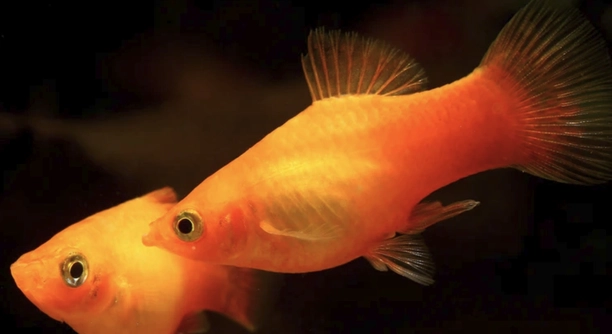
Is your platy spending most of its time in one spot instead of exploring the whole tank? Many fish owners notice this behavior and wonder why their platy isn’t swimming around freely as expected. This situation can be confusing and concerning for anyone caring for these lively fish.
The main reason a platy might not use the entire tank is due to stress, poor water conditions, or inadequate tank setup. These factors cause the fish to limit movement to safer, more comfortable areas, reducing overall activity and exploration.
Understanding what affects your platy’s behavior can help improve its environment and well-being. The following information will guide you through common causes and practical solutions for encouraging your fish to swim more freely.
Common Reasons Why Platys Avoid the Whole Tank
Platys often stay in one part of the tank due to stress or discomfort. Poor water quality is a frequent cause—ammonia, nitrite, or nitrate levels might be off. Inadequate tank size or lack of hiding spots can also make a platy feel insecure. If the tank is too small, the fish may not have enough space to swim around freely. Overcrowding with other fish can lead to competition for territory, causing the platy to limit its movement. Temperature fluctuations and sudden changes in lighting may further stress the fish, leading to hiding behavior. Lastly, illness or parasites can reduce energy levels, making the platy less active. Keeping water clean, maintaining a stable environment, and ensuring the tank meets the platy’s needs can encourage more active swimming.
Adjusting tank conditions often improves platy behavior within a few days.
Recognizing these causes helps you create a comfortable home. With proper care and environment, your platy will feel safe to explore the whole tank more often.
The Impact of Tank Size and Environment
Tank size plays a significant role in platy behavior. A small or crowded tank limits space and can make the fish feel trapped. Platys are active swimmers that need room to explore, so a minimum of 10 gallons is recommended for a few fish. Decorations and plants provide hiding places and reduce stress, but they should not overcrowd the swimming area. Proper lighting and temperature stability are essential too. Sudden changes in temperature or bright lights can cause the platy to seek shelter more often. Monitoring water parameters regularly and performing consistent water changes support a healthy environment. Ensuring the tank mimics natural conditions as closely as possible will help your platy use the entire space confidently. Paying attention to these details improves overall fish health and happiness.
Feeding Habits Affect Movement
Platys may stay in one area if food is consistently available there. When they know food appears in a specific spot, they tend to hang around it, reducing overall swimming.
Uneven feeding can encourage this behavior. If flakes or pellets drop only in one place, the platy will wait there instead of exploring. Providing food in different areas can encourage movement and activity. Feeding small amounts multiple times a day helps maintain energy levels and reduces competition. Overfeeding, however, can cause sluggishness and poor water quality, both limiting movement. Observing how and where your platy eats will help balance feeding habits and promote a healthier swimming pattern.
Adjusting feeding spots and amounts can make a noticeable difference. When food is scattered or offered in various places, the platy feels encouraged to explore the whole tank, improving its activity and health.
Tank Mates and Social Behavior
The presence of other fish impacts a platy’s use of the tank. Aggressive or territorial tank mates may restrict its movement, causing it to hide or stay in one corner. Peaceful species encourage more natural swimming patterns. Platys are social and generally do well with similar-sized, calm fish. Overcrowding or mixing incompatible species can cause stress, limiting swimming and exploration. Watching interactions helps identify if tank mates are causing fear or discomfort.
Proper selection of tank mates creates a balanced community. Fish that coexist peacefully allow the platy to feel secure and swim freely. Creating this balance reduces stress and promotes natural behaviors. When the tank’s social environment is stable, your platy will be more active and use the whole space confidently.
Lighting and Its Effects on Movement
Strong or constant lighting can make platys uncomfortable, causing them to stay hidden or in shaded areas. Adjusting light intensity or adding plants for cover can help them feel safer and more willing to explore.
Too bright or direct light stresses platys, leading to reduced activity and tank use.
Signs of Illness That Limit Movement
Illness often causes lethargy, making platys less likely to swim around. Look for symptoms like clamped fins, discoloration, or loss of appetite. Early detection and treatment improve recovery chances and encourage normal activity. Regular tank maintenance and water checks help prevent diseases.
Water Quality and Its Importance
Maintaining clean water with stable parameters is crucial. Poor water quality stresses fish, limiting movement and causing health issues. Test ammonia, nitrites, nitrates, pH, and temperature regularly. Perform water changes as needed to keep the environment healthy for your platy.
Encouraging Your Platy to Explore More
Adding hiding spots and varying tank decor can motivate your platy to swim around. Moving decorations occasionally also sparks curiosity and activity.
FAQ
Why is my platy hiding most of the time?
Platys hide when they feel stressed or threatened. This can happen if the tank lacks enough hiding spots or if the water quality is poor. Sudden changes in temperature, aggressive tank mates, or bright lighting can also cause hiding behavior. Providing plants, decorations, and maintaining stable tank conditions helps your platy feel secure and less likely to hide.
Can a small tank cause my platy to stay in one place?
Yes, a tank that is too small limits your platy’s space and can make it feel trapped. Platys need room to swim and explore. A minimum of 10 gallons is recommended for a few platys to move comfortably. If space is limited, they tend to stay in one area where they feel safe.
How does water quality affect my platy’s activity?
Poor water quality stresses platys and lowers their energy. High ammonia, nitrites, or nitrates make the environment toxic and uncomfortable. This causes platys to reduce movement and hide more often. Regular water testing and changes are essential to keep water clean and your fish healthy.
Could my platy be sick if it’s not swimming much?
Yes, illness can make platys lethargic and less active. Signs like clamped fins, loss of appetite, or discoloration often accompany sickness. Early treatment improves recovery and helps restore normal swimming behavior. Maintaining good water quality lowers the risk of illness.
Do tank mates affect my platy’s swimming habits?
Tank mates play a big role in how your platy behaves. Aggressive or territorial fish can scare platys into hiding or staying put. Peaceful species encourage natural movement. It’s important to choose compatible fish to create a calm environment where your platy can explore freely.
How does lighting impact platy behavior?
Too bright or constant lighting can stress platys, causing them to stay in shaded or hidden spots. Adjusting light intensity or adding plants for cover makes the tank more comfortable. A balanced light cycle mimics natural conditions and encourages activity.
Why does my platy stay near the food area?
Platys quickly learn where food appears and may stay nearby to wait for feeding. This behavior limits their movement to one area. Scattering food around the tank encourages exploration and increases overall activity.
What can I do to encourage my platy to swim more?
Adding hiding spots and decorations encourages natural behavior and movement. Rearranging the tank occasionally sparks curiosity. Feeding in different places also motivates your platy to explore. Stable water conditions and peaceful tank mates support a more active fish.
Is temperature important for my platy’s activity?
Yes, platys prefer stable temperatures between 72°F and 78°F (22°C to 26°C). Sudden changes or temperatures outside this range can stress them and reduce swimming. Using a reliable heater and thermometer helps keep the tank stable.
How often should I clean my platy’s tank?
Regular maintenance is key. Partial water changes of 20-30% every week or two help keep water parameters safe. Cleaning the substrate and removing uneaten food prevents waste buildup. A clean tank promotes healthy, active platys.
Can stress cause my platy to stop swimming?
Stress from poor water quality, aggressive tank mates, overcrowding, or sudden changes can cause platys to stay still or hide. Reducing stressors by improving tank conditions helps restore normal swimming behavior.
Are there signs my platy is unhappy in the tank?
Yes, staying in one spot, hiding often, loss of appetite, or dull colors may signal discomfort. These signs often relate to poor water quality, tank size, or social issues. Addressing these problems improves your platy’s well-being.
Does the age of my platy affect its activity?
Older platys may be less active, but sudden inactivity can indicate health problems. Young and healthy platys tend to swim actively and explore. Monitoring activity levels helps catch early signs of illness or stress.
What plants are best for a platy tank?
Live plants like java fern, anubias, and hornwort provide hiding spots and improve water quality. They help reduce stress and encourage natural swimming patterns by offering safe areas for your platy to rest or hide when needed.
Is overfeeding linked to my platy’s behavior?
Overfeeding can cause sluggishness and poor water quality, both of which reduce activity. Feeding small amounts that your fish can consume quickly prevents waste buildup and keeps your platy healthy and active.
Final thoughts on why your platy is not using the whole tank focus on understanding the fish’s needs and environment. Platys are active swimmers that require a stable and comfortable habitat to explore freely. When they stay in one area or hide often, it usually signals that something in their environment is not quite right. Stress factors like poor water quality, inappropriate tank size, or aggressive tank mates limit their movement. Addressing these issues can help your platy feel safer and more willing to swim around.
Maintaining good water quality is one of the most important steps in encouraging your platy to use the entire tank. Regular testing of water parameters such as ammonia, nitrite, nitrate, and pH keeps the environment healthy and comfortable. Water changes help remove waste and toxins that build up over time. A clean tank supports not only your platy’s health but also its activity level. Besides water quality, ensuring the tank is large enough and provides hiding spots helps the fish feel secure. Plants and decorations offer safe areas for your platy to rest and hide when needed, which reduces stress and promotes natural behavior.
Finally, paying attention to tank mates, lighting, feeding habits, and temperature helps create a balanced and supportive environment. Friendly tank mates reduce competition and fear, while moderate lighting and varied feeding locations encourage more movement. Stable water temperature within the ideal range keeps your platy comfortable and active. Small adjustments to the tank setup and care routine can lead to big improvements in how your platy uses its space. With patience and proper care, your fish will feel confident to explore the whole tank and show its lively personality.

Hello,
If you enjoy the content that we create, please consider saying a "Thank You!" by leaving a tip.
Every little bit helps us continue crafting quality advice that supports the health, happiness, and well-being of pets around the world, for pets of all shapes, sizes, and species.
We really appreciate the kindness and support that you show us!