
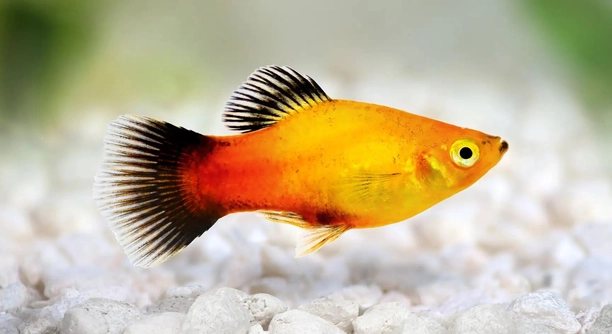
Platies are popular freshwater fish admired for their vibrant colors and peaceful nature. Many owners enjoy watching their bright hues add life to aquariums. Sometimes, however, these colors may fade or dull unexpectedly, causing concern among hobbyists.
Platies lose color primarily due to stress, poor water quality, inadequate diet, illness, aging, improper lighting, or genetic factors. Each of these causes can affect pigmentation and overall health, leading to visible changes in the fish’s appearance.
Understanding these causes helps ensure your platy stays healthy and colorful. This article will guide you through common reasons behind color loss and how to address them effectively.
Stress and Its Impact on Platy Color
Stress is one of the most common reasons a platy might lose its vibrant color. Changes in the environment, such as sudden water temperature shifts, overcrowding, or aggressive tank mates, can cause stress. When stressed, a platy’s immune system weakens, and its body directs energy away from maintaining bright colors to survival. Frequent handling or sudden changes in lighting can also contribute. Even subtle signs, like hiding or reduced activity, often point to stress. Maintaining a stable environment is key to preventing color loss caused by stress.
Stress affects a platy’s health and appearance, often leading to dull or faded colors. It is important to recognize signs early to take corrective action.
To reduce stress, keep water conditions stable and avoid overcrowding. Provide plenty of plants and hiding spots to help your platy feel secure. Gradual changes to the tank environment minimize shock. Ensure compatible tank mates and avoid aggressive fish. Regular monitoring of water parameters keeps the environment healthy and reduces stress triggers. Addressing stress promptly helps your platy maintain its natural coloration and overall well-being.
Poor Water Quality and Color Fading
Poor water quality directly impacts a platy’s color and health. High levels of ammonia, nitrites, or nitrates, along with incorrect pH, create an unhealthy environment that stresses fish and causes color loss. Dirty water also promotes disease, which can worsen fading.
Maintaining clean water through regular testing and water changes is essential for vibrant platy colors.
Regular water testing helps detect harmful substances before they affect your platy. Ammonia and nitrites should always be zero, and nitrates kept below 20 ppm. Frequent partial water changes remove toxins and replenish minerals. A good filtration system supports water quality and reduces harmful buildup. Avoid overfeeding, as excess food decomposes and pollutes water. By maintaining optimal water conditions, you protect your platy’s health and coloration. Clean water reduces stress and prevents disease, both of which contribute to keeping your platy’s colors bright and strong.
Inadequate Diet and Color Loss
A poor diet can cause your platy’s colors to fade over time. Without proper nutrients, especially carotenoids, their pigmentation will suffer. Feeding low-quality or insufficient food weakens their natural vibrancy and overall health.
High-quality foods rich in carotenoids and vitamins help maintain bright coloration. Flake foods often lack these nutrients, so supplementing with fresh or frozen options like brine shrimp or daphnia is beneficial. Vegetables such as spinach or peas also provide essential nutrients. Avoid overfeeding, which can lead to poor water quality and stress. Feeding a balanced diet regularly supports color retention and promotes a healthy immune system, keeping your platy lively and colorful.
Changing or varying the diet ensures your platy receives all necessary nutrients. If the color loss is diet-related, improvement will usually be visible within weeks. Maintaining diet quality is an easy way to protect your fish’s natural beauty.
Illness and Its Effects on Color
Illness is another significant factor that can cause platies to lose their color. Diseases such as ich, fungal infections, or internal parasites disrupt normal bodily functions, including pigmentation. Sick fish often appear pale or dull.
Early detection is crucial for effective treatment. Watch for other symptoms like lethargy, clamped fins, or abnormal swimming. Quarantining new fish and maintaining good tank hygiene reduce illness risk. Treating infections promptly can restore color and health.
Infections damage the skin and scales where pigments are stored. Internal issues may reduce nutrient absorption, worsening color loss. Illness also stresses the fish, further dulling colors. Proper diagnosis and care are necessary to bring your platy back to full color. Regular observation and tank maintenance help prevent these problems from occurring.
Aging and Natural Color Changes
As platies age, their colors naturally become less vibrant. This gradual fading is part of the normal aging process and does not usually indicate a health problem.
Older fish may also become less active and eat less, which can further reduce their coloration over time.
Improper Lighting Conditions
Lighting affects platy coloration by influencing pigment production. Insufficient or overly harsh lighting can cause colors to fade. Natural daylight or full-spectrum aquarium lights that mimic the natural environment help maintain bright colors. Avoid placing the tank in direct sunlight, which can cause stress and algae growth, further dulling colors.
Genetic Factors
Some platies naturally have less intense coloration due to genetics. Variations in breed and lineage determine color brightness and patterns. These genetic traits are inherited and cannot be changed by care or environment. If your platy has a duller appearance from the start, it may simply be its natural color expression.
Why is my platy losing color suddenly?
Sudden color loss in a platy usually indicates stress or a change in its environment. Factors like abrupt water temperature shifts, poor water quality, or new aggressive tank mates can cause this. Illness can also cause rapid fading. Quickly checking water parameters and observing behavior can help identify the cause.
How long does it take for a platy to regain its color?
If the cause of color loss is corrected early—like improving diet or water quality—color can start returning within a few weeks. Illness treatment may take longer. Aging or genetic factors mean color may not fully return. Patience and consistent care are essential during recovery.
Can stress alone cause permanent color loss in platies?
Stress usually causes temporary color fading rather than permanent loss. Prolonged or repeated stress can weaken the immune system and lead to disease, which might cause longer-lasting damage. Reducing stress factors helps maintain color and overall health.
What foods help restore platy color?
Foods rich in carotenoids, such as brine shrimp, bloodworms, and spirulina, boost color intensity. Fresh or frozen foods and some vegetables like spinach also provide important nutrients. Avoid relying solely on basic flake foods, which may lack pigment-enhancing nutrients.
Is water temperature important for platy color?
Yes, stable water temperature between 72°F and 78°F supports healthy metabolism and color. Sudden drops or spikes stress platies, causing color to fade. Using a reliable heater and thermometer helps keep temperature steady.
Does lighting affect platy coloration?
Proper lighting encourages pigment production. Full-spectrum aquarium lights that mimic natural sunlight help platies maintain bright colors. Too little light or very intense light can cause dulling or stress. A balanced light schedule around 8-10 hours per day works best.
How often should I clean my tank to keep my platy colorful?
Regular maintenance, including weekly partial water changes of about 20-30%, keeps water quality high and supports color retention. Cleaning filters and removing debris prevent toxins that stress fish and dull their colors.
Can old age cause my platy to lose color permanently?
Yes, as platies age, color naturally fades and may not fully return. This is normal and not a sign of illness. Older fish often show less activity and appetite, which also influences their coloration.
Is it normal for platies to lose color during breeding?
Platies sometimes lose some color during breeding due to stress and energy use. This is usually temporary. After spawning, colors typically return as the fish recover.
Should I separate a sick platy to prevent color loss in others?
Separating sick fish helps prevent disease spread, which protects the entire tank’s health and color. Quarantine tanks allow for targeted treatment and reduce stress on healthy fish. Early isolation is key to controlling illness.
Can genetics limit how bright my platy’s colors get?
Yes, genetics set the baseline for color brightness and patterns. Some platies naturally have muted colors. While care improves overall health and vibrancy, genetics determine maximum color potential.
Are tank mates responsible for my platy’s color fading?
Aggressive or overly active tank mates can stress platies, leading to color loss. Peaceful companions help reduce stress and support healthy coloration. Evaluate your tank’s community to ensure compatibility.
Does changing water frequently shock platies and affect their color?
Sudden, large water changes can stress fish and cause temporary color fading. Partial, gradual water changes maintain stability and support healthy pigmentation. Consistent maintenance is better than infrequent, drastic changes.
Can lighting schedules improve platy color?
Yes, keeping a regular lighting schedule of about 8-10 hours daily supports natural pigment cycles. Too much light can cause stress, while too little limits pigment development. A timer helps maintain consistency.
Are supplements necessary to keep platy colors bright?
Supplements with carotenoids or vitamins can help if diet lacks variety. However, a balanced diet often meets nutritional needs. Supplements should be used carefully and not replace proper feeding and tank care.
Maintaining the vibrant color of your platy involves paying attention to several important factors. Stress, poor water quality, and diet are the most common causes of color loss. Ensuring a stable, clean environment with proper nutrition will help your platy stay healthy and colorful. Consistent tank maintenance and monitoring water parameters reduce the risk of stress and illness, both of which can dull your fish’s appearance.
Lighting and genetics also play key roles in your platy’s coloration. Proper aquarium lighting that mimics natural daylight supports pigment production and overall health. However, some platies naturally have less intense colors due to their genetic makeup, and this is normal. Age is another factor; older fish often lose some of their color naturally over time. Understanding these limits helps set realistic expectations for your fish’s appearance.
Regular observation of your platy’s behavior and condition allows you to catch problems early. If you notice sudden color changes, it is important to review tank conditions, diet, and possible signs of illness. Acting quickly to address these issues improves the chances of restoring your platy’s bright colors. Overall, caring for your platy with attention to these details creates a healthy environment where your fish can thrive and display its best colors.

Hello,
If you enjoy the content that we create, please consider saying a "Thank You!" by leaving a tip.
Every little bit helps us continue crafting quality advice that supports the health, happiness, and well-being of pets around the world, for pets of all shapes, sizes, and species.
We really appreciate the kindness and support that you show us!