
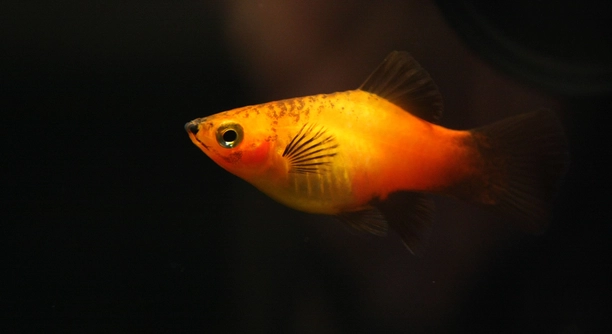
Many platy fish owners notice their pets resting at the bottom of the tank. This behavior can feel worrying, especially when your platy usually swims actively. Understanding the reasons behind this can help you care for your fish better.
Platies lying on the bottom often indicate stress, illness, or poor water conditions. Common causes include low oxygen, infections, or inappropriate tank temperature. Addressing these factors quickly is essential to prevent further health issues and support recovery.
Recognizing the signs early and knowing how to respond can improve your platy’s well-being and keep your aquarium healthy.
Common Reasons Why Your Platy Is Lying on the Bottom
One of the main reasons platies rest on the bottom of the tank is stress caused by poor water quality. Fish are very sensitive to changes in their environment. If the water has high levels of ammonia, nitrites, or nitrates, it can make your platy uncomfortable or sick. Another reason can be an incorrect water temperature. Platies prefer temperatures between 72°F and 78°F. If it’s too cold or too warm, they may become lethargic and rest at the bottom. Illnesses like swim bladder disease or parasites also cause this behavior. If you notice other symptoms like clamped fins or loss of appetite, it’s a sign of health problems. Proper tank maintenance, including regular water testing and cleaning, helps keep your platy healthy and active.
Poor water quality can quickly affect your fish’s behavior and health.
Keeping stable water conditions and monitoring your fish closely will help prevent many common problems with platies.
How to Improve Your Platy’s Environment
Improving water quality is the first step to helping your platy feel better. Regular water changes remove harmful substances and keep the tank clean. Using a water conditioner can remove chlorine and other chemicals that are dangerous to fish. Checking the temperature daily ensures the tank stays within a healthy range. Adding live plants helps oxygenate the water and provides hiding spots, which can reduce stress. Avoid overcrowding the tank, as too many fish can cause poor water conditions and stress. Feeding your platy a balanced diet supports its immune system and overall health. If your fish continues to lie on the bottom after improving tank conditions, consulting a vet or a fish expert can help diagnose any underlying illnesses. Small changes in care can make a big difference in your platy’s activity and happiness.
Signs of Illness in Your Platy
When a platy is sick, it often lies on the bottom more than usual. Other signs include faded colors, clamped fins, and loss of appetite. Watch for unusual swimming patterns or visible spots on its body. These symptoms show your fish needs attention soon.
Illnesses like swim bladder disorder, bacterial infections, or parasites can cause these signs. Swim bladder issues make it hard for the fish to swim properly, causing it to sink or float awkwardly. Bacterial infections may cause redness or swelling. Parasites might be visible as tiny spots or cause your fish to scratch against objects. Early detection and treatment improve chances for recovery. Medications from pet stores or advice from an aquatic vet can help manage these conditions effectively.
Maintaining clean water and a stress-free environment reduces the chance of illness. Always isolate new fish before adding them to the tank to avoid spreading diseases.
Feeding Habits and Bottom-Lying Behavior
Platies that rest on the bottom may be reacting to their feeding routine. Overfeeding or underfeeding can affect their energy levels and cause lethargy. Uneaten food also pollutes the water, which impacts fish health. Feeding small amounts two to three times daily keeps your platy active and healthy.
A balanced diet with high-quality flakes, pellets, and occasional live or frozen foods provides necessary nutrients. When food sinks to the bottom, platies may stay there longer to eat it. If they spend too much time on the bottom without eating, it might indicate a problem with appetite or digestion. Checking feeding amounts and food types ensures your platy gets what it needs. Adjusting feeding schedules and improving diet quality can help your fish regain energy and swim normally again.
Tank Size and Its Impact
A small tank can stress platies and limit their movement. Crowded or cramped spaces often cause fish to rest more at the bottom. Providing enough room helps them swim freely and stay active.
A tank size of at least 10 gallons is recommended for a small group of platies. This gives them space to explore and reduces stress caused by limited territory or poor water quality.
Oxygen Levels in the Tank
Low oxygen in the water can make your platy lethargic and lie on the bottom. Poor aeration or overcrowding reduces oxygen availability, which affects fish health.
Improving oxygen levels with an air pump, filter, or live plants helps keep your platy active. Regular water changes also support good oxygen balance and tank cleanliness.
Stress and Its Effects on Platies
Stress weakens a platy’s immune system, leading to unusual behavior like bottom-laying. Causes include sudden changes, aggressive tank mates, or loud noises. Keeping a calm, stable environment helps reduce stress and encourages normal activity.
FAQ
Why is my platy lying on the bottom but still breathing?
When a platy lies on the bottom but continues to breathe normally, it may be resting due to stress or mild discomfort. Sometimes, after swimming a lot or exploring, they take breaks at the bottom. However, if this behavior lasts longer than usual or is combined with other signs like clamped fins or lack of appetite, it could signal illness or poor water conditions. Checking water parameters and observing other behaviors will help identify the cause.
Can low oxygen make platies stay at the bottom?
Yes, low oxygen levels can cause platies to stay at the bottom where the water might be calmer but less oxygenated. Fish need enough dissolved oxygen to swim actively and breathe easily. Poor aeration, overcrowding, or dirty water lowers oxygen. Adding air stones, live plants, or improving filtration can increase oxygen and encourage your platy to swim normally.
Is my platy sick if it lies on the bottom all day?
If your platy lies on the bottom all day and shows other symptoms such as faded color, rapid breathing, or loss of appetite, it’s likely sick. Illnesses such as swim bladder disorder, bacterial infections, or parasites are common causes. Immediate action like water quality improvement and treatment with medication can help. Isolation in a hospital tank might be necessary to prevent spreading diseases.
Could temperature affect my platy’s behavior?
Platies are sensitive to water temperature. If the tank is too cold or too warm, they may become lethargic and rest on the bottom. Ideal temperatures range between 72°F and 78°F. Sudden temperature changes also stress fish, causing unusual behavior. Using a heater and thermometer to maintain stable temperature helps keep your platy healthy and active.
How often should I feed my platy to avoid bottom-laying?
Feeding your platy small amounts two to three times a day is best. Overfeeding causes uneaten food to pollute the water, leading to poor water quality and lethargy. Underfeeding can weaken your fish and cause low energy. Balanced feeding helps maintain normal activity levels and prevents bottom-laying due to hunger or discomfort.
What kind of food is best for platies?
High-quality flake or pellet food designed for tropical fish is suitable for platies. Supplement their diet with occasional live or frozen foods like brine shrimp or bloodworms to provide protein and variety. A balanced diet supports their immune system and energy, reducing chances of illness and lethargy.
Can tank size cause my platy to stay at the bottom?
Yes, a small or overcrowded tank stresses platies and limits their swimming space. This stress may cause them to lie on the bottom more often. A minimum of 10 gallons is recommended for a few platies. More space means less stress, better water quality, and healthier, more active fish.
What role does stress play in my platy’s bottom-laying behavior?
Stress weakens a platy’s immune system and can cause it to lie on the bottom. Common stressors include aggressive tank mates, sudden changes in environment, loud noises, and poor water conditions. Providing a calm, stable environment with hiding places helps reduce stress and promotes healthy behavior.
How do I know if my platy has swim bladder disease?
Swim bladder disease causes difficulty swimming, making your platy sink or float unevenly. It may lie on the bottom or float sideways. Causes include constipation, infection, or injury. Feeding peas (with skins removed) can help constipation. If symptoms persist, treatment with medication is necessary. Consult a vet if unsure.
Should I isolate a platy that lies on the bottom?
Isolating a sick platy in a hospital tank is often recommended to prevent spreading disease and reduce stress. It also allows you to treat the fish more easily. Make sure the hospital tank has clean, stable water and proper temperature. Observe the fish closely and seek advice if symptoms worsen.
Can poor water quality cause my platy to lie on the bottom?
Poor water quality is one of the most common reasons for this behavior. Ammonia, nitrites, or nitrates at unsafe levels harm fish and make them lethargic. Regular water testing, cleaning, and partial water changes keep the tank healthy. Proper filtration and avoiding overcrowding support good water quality.
How long should a platy rest on the bottom before I worry?
If your platy rests on the bottom for a short time, it may be normal. But if it stays there most of the day, especially for several days, it is a cause for concern. Watch for other signs like loss of appetite or changes in breathing. Acting early can prevent serious health problems.
Can adding live plants help a bottom-lying platy?
Live plants improve oxygen levels, provide hiding spots, and reduce stress. This creates a more natural and comfortable environment for your platy. Healthy plants also help maintain better water quality. Adding them often encourages more active swimming and less time spent resting on the bottom.
When a platy lies on the bottom of the tank, it often signals that something in its environment or health needs attention. This behavior can be caused by many factors, such as poor water quality, illness, stress, or incorrect tank conditions. Paying close attention to your platy’s surroundings and behavior is important to keep it healthy and active. Regular maintenance, such as cleaning the tank and checking water parameters, helps create a stable environment where your fish can thrive. It is also essential to feed your platy properly and maintain a suitable temperature for its comfort.
Understanding the signs your platy shows when it is unwell can help you act quickly. Symptoms like clamped fins, faded colors, loss of appetite, or unusual swimming patterns often come before more serious problems develop. Early action, such as improving water conditions or treating for illness, improves the chances that your fish will recover well. Sometimes, even small changes like adding live plants or reducing stressors in the tank can make a big difference. Keeping an eye on your platy’s behavior and responding when you see changes helps prevent long-term problems and supports its overall health.
It is important to remember that each platy is unique and may react differently to changes in its environment. What works for one fish might not work exactly the same for another. Patience and observation are key when caring for your platy. If you are unsure about your fish’s health or behavior, seeking advice from experienced fish keepers or aquatic veterinarians can provide valuable help. By maintaining a clean tank, providing proper nutrition, and reducing stress, you can enjoy watching your platy swim actively and live a happy, healthy life.

Hello,
If you enjoy the content that we create, please consider saying a "Thank You!" by leaving a tip.
Every little bit helps us continue crafting quality advice that supports the health, happiness, and well-being of pets around the world, for pets of all shapes, sizes, and species.
We really appreciate the kindness and support that you show us!