
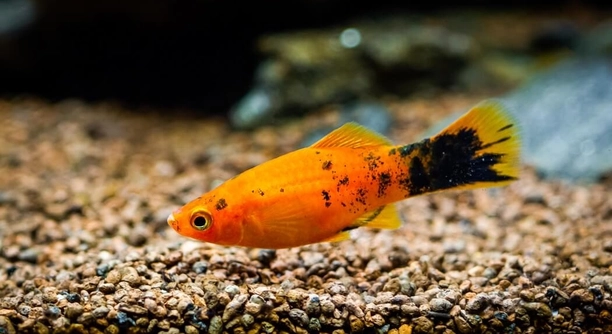
Is your platy swimming past the fresh food you’ve just added, showing no interest at all in what’s on offer?
Platies often ignore fresh food due to stress, unfamiliarity, or poor water conditions. Changes in routine, illness, or an unbalanced diet may also lead to a lack of appetite or avoidance of certain foods.
Understanding your platy’s behavior around food can help you improve its diet and overall well-being in a few simple steps.
Common Reasons Your Platy Ignores Fresh Food
A platy may avoid fresh food for several reasons, and understanding these factors can help you adjust your care routine. Stress from sudden changes in the tank, such as new decorations, tank mates, or fluctuating water temperatures, can lead to a lack of appetite. Poor water quality is another common cause—elevated ammonia or nitrite levels can make your fish uncomfortable and uninterested in eating. Sometimes, platies are not familiar with certain types of fresh food and simply do not recognize it as something edible. Health issues like internal parasites or infections can also cause changes in feeding behavior. It’s important to observe your fish closely and consider recent changes in the tank environment or diet. By identifying the cause, you can respond appropriately and help your platy return to its normal eating habits.
Stress and water quality are often the most overlooked reasons for changes in feeding behavior. Keep conditions consistent.
Once you rule out stress and illness, consider whether the fresh food is appropriate. Some vegetables may be too hard, unwashed, or presented in large pieces. Platies prefer small, soft bites that sink slowly. Blanched zucchini, peas with skins removed, or chopped spinach are safer and easier to eat. If the food floats or is too large, your platy may ignore it out of frustration. Avoid feeding the same thing daily—rotate foods to keep meals varied. Also, check expiration dates and ensure the food is fresh. Anything spoiled or foul-smelling should be thrown away immediately. A healthy, active platy will eventually show interest in well-prepared, nutritious options. Consistency and attention to detail are key to making fresh food a regular part of its diet.
How to Encourage Better Eating Habits
Start by offering small portions of fresh food at the same time each day. Fish learn routines quickly and respond to feeding schedules.
Use feeding rings to keep food contained and easier to find. Remove uneaten food within 30 minutes to prevent water contamination. If your platy seems hesitant, try mixing fresh food with a small amount of their favorite flakes or pellets. This creates a familiar smell and encourages curiosity. Blanch vegetables like spinach or zucchini to soften them, and always rinse thoroughly before adding them to the tank. Avoid overfeeding, as this can lead to poor water quality and further appetite loss. Clean the tank regularly, and monitor ammonia, nitrite, and nitrate levels with a test kit. Sometimes, just improving water quality is enough to restore appetite. Offer a variety of food types, such as daphnia, peas, and algae wafers, in moderation. Keep trying different textures and methods until you find what your platy prefers.
Other Factors That May Affect Feeding
Lighting, tank placement, and feeding times can also influence your platy’s interest in food. If the environment feels unsafe or too bright, they may avoid eating. Loud noises or frequent movement near the tank can create stress.
Try feeding your platy when the room is quiet and lighting is soft. Consistent timing helps them anticipate meals. Avoid placing the tank near windows, TVs, or high-traffic areas. Distractions make fish anxious, and they may not approach food right away. Give your platy space and time to explore the food without tapping on the glass or forcing interaction. If you have multiple fish, check if another one is dominating feeding times. In that case, feed from separate spots in the tank. Keeping the environment calm and predictable will help your platy feel secure and more willing to try new foods. Small changes can make a noticeable difference in eating habits.
Sometimes, the issue isn’t the food but the presence of other fish. Fast eaters or aggressive tank mates may scare your platy away during feeding. If this is happening, try using a divider during meals or feed the aggressive fish first on one side of the tank. Your platy will feel less competition and stress. You can also try hand-feeding gently with tweezers or use sinking food that reaches quieter areas of the tank. Observe how your fish interact during meals. This will give you clues about what changes may help. Once you identify patterns, make adjustments gradually. Creating a peaceful, distraction-free feeding environment can help encourage your platy to engage with its food more confidently.
How Long It Takes to See Improvement
In most cases, if water conditions are good and the tank is calm, you may see your platy respond to changes within a few days. Some fish take longer. Be patient and observe.
If your platy is adjusting to new food, it may take several attempts before they begin eating regularly. Try offering the same food every day at the same time for a week. Do not switch foods too quickly, as it may confuse or overwhelm them. Watch for signs of interest—hovering near the food, nipping at small bits, or increased activity during feeding times. These behaviors show progress, even if they aren’t eating everything yet. Once they recognize the food as safe, appetite usually returns. If your platy is still not eating after ten days despite ideal conditions, check for hidden health issues. Internal parasites or infections may require treatment. Steady effort and careful monitoring are essential.
When to Try a Different Food
If your platy consistently ignores a certain food after several days, it’s time to switch. Try something softer, smaller, or with a stronger scent. Peas, zucchini, and algae wafers are usually well accepted when prepared correctly.
Avoid feeding the same item for too long. Rotate between a few safe, fresh options to maintain interest and balance. If your platy responds better to one type, offer it more often but still include variety. Keep portions small to avoid waste.
What to Do if Nothing Works
If your platy refuses all fresh food despite stable water conditions and a peaceful tank, consider a brief fast—one or two days without food. This can reset appetite and make new foods more appealing. After fasting, reintroduce food in tiny amounts. Keep trying different textures like blanched veggies, crushed pellets, or soft flakes. If your platy is still not eating, check for signs of illness such as bloating, clamped fins, or color changes. You may need to isolate the fish or consult a vet for further advice. A healthy fish usually responds when the environment and feeding method are right.
Final Notes on Feeding Routine
Keep a feeding schedule and track what your platy eats each day. This helps you notice changes early and respond quickly.
FAQ
Why is my platy ignoring only fresh food but eating pellets or flakes?
Platies often prefer familiar foods. If they’ve been eating pellets or flakes for a long time, they may not recognize fresh food as edible. The texture, smell, and appearance are different, and that can make them hesitate. Over time, they may begin to explore new food, but patience is important. Start with small, soft pieces of fresh food and try mixing them with their usual pellets. This helps ease the transition. Offer the fresh items at the same time each day to build a routine. Avoid forcing the change too quickly.
How long should I leave fresh food in the tank?
Fresh food should never stay in the tank for more than 30 minutes. After that time, remove anything uneaten to prevent water contamination. If left too long, food breaks down and affects water quality, which can lead to illness. Even small bits of decaying food can raise ammonia levels. Keeping the tank clean will also help your platy feel more comfortable eating. If your fish eats slowly, feed in smaller amounts more frequently throughout the day. This way, you reduce waste and make meals easier to manage for the fish.
Can water temperature affect appetite?
Yes, water temperature can influence feeding behavior. Platies are tropical fish and prefer temperatures between 72°F and 78°F. If the water is too cold or too warm, their metabolism slows down, and they may eat less. Sudden temperature shifts also cause stress, which affects appetite. Always use a reliable heater and thermometer to maintain a stable environment. Even small fluctuations can impact how active and responsive your platy is at feeding time. Check your equipment regularly and adjust settings if needed.
What are safe fresh foods for platies?
Platies can eat a variety of fresh vegetables and plant-based foods. Good options include blanched peas (skins removed), zucchini slices, cucumber, spinach, and lettuce. Always wash vegetables thoroughly and cut them into very small pieces. Soft textures are best. You can also offer algae-based treats or spirulina. Avoid feeding fruit or starchy vegetables like potatoes. Stick with options known to be safe for tropical fish and avoid seasonings or oils. Rotate what you offer and pay attention to what your platy seems to prefer.
How do I tell if my platy is sick or just being picky?
Watch for signs beyond appetite changes. If your platy is hiding more, breathing heavily, has clamped fins, or shows color loss, illness may be the cause. Bloating, stringy feces, or unusual swimming patterns are also red flags. If you see these, act quickly. Check water quality first and consider isolating the fish. If your platy seems active, curious, and only avoids certain foods, it’s likely just being selective. Try different feeding methods, textures, or food types before assuming illness.
Should I feed fresh food daily or only sometimes?
Fresh food can be offered several times a week but doesn’t need to be given daily. Most platies do well with a varied diet that includes high-quality flakes or pellets as the base. Use fresh vegetables as supplements to add nutrients and keep meals interesting. Feeding fresh food two to three times a week is enough to support health without overloading the tank. Monitor how much your platy eats and adjust frequency as needed. A good balance of dry and fresh options helps maintain digestion and activity.
How do I introduce new food to a platy’s diet?
Start small. Offer a tiny piece alongside their regular food. Let your platy get used to the smell and texture. Don’t expect instant results—some fish need several tries before accepting something new. Feed at the same time each day to build a routine. If your platy shows interest but spits the food out, keep trying. It may take time to adjust. Avoid overwhelming them with too many changes at once. Gradually increase the amount of fresh food as they become more comfortable with it.
Can other fish in the tank affect my platy’s feeding behavior?
Yes, dominant or fast-eating tank mates can cause stress during feeding. If your platy feels threatened, it may avoid food. Watch how the fish interact at mealtime. If one fish eats everything quickly, consider feeding in separate spots or at different times. Use feeding tools like tweezers to guide food to your platy directly. Creating a calm environment will help your platy feel safe enough to eat. Adjust tank setup or feeding order if needed to reduce competition and pressure.
Is it okay to fast my platy to improve appetite?
Yes, occasional short fasting periods can help reset appetite. Skipping one or two days of feeding is safe and may make your platy more interested in food. In the wild, fish don’t eat constantly, and short breaks from feeding are natural. However, don’t use fasting as the only solution. Make sure water quality, diet variety, and tank conditions are in order first. If the platy still refuses to eat after a fast, further investigation may be necessary.
Final Thoughts
Helping a platy adjust to fresh food takes time, patience, and small changes. Not all fish respond the same way, and that’s normal. Some platies may eat fresh food right away, while others need more time to get used to it. What matters most is keeping the tank clean, offering a variety of food, and staying consistent with feeding times. A stable and quiet environment helps your fish feel safe, which makes them more likely to try new things. It’s also important to watch your platy’s behavior during feeding to see what’s working and what needs to be adjusted.
If your platy avoids fresh food but still eats other items, try making the food easier to eat. Cut vegetables into tiny pieces, blanch them until soft, and avoid strong-smelling or spoiled items. Feeding too much can also cause problems, so keep portions small and remove leftovers quickly. If your platy ignores one type of food, switch to another for a few days and try again later. A rotating diet keeps things interesting and provides different nutrients. Adding fresh food to your platy’s meals is not only healthy but also encourages natural behaviors like grazing and exploring.
Watching your platy slowly begin to accept new food can be rewarding. It shows they’re comfortable and adjusting well to their space. Even if progress is slow, keep the routine steady. A calm tank, proper feeding, and careful observation can lead to better eating habits over time. Remember, fresh food is just one part of a balanced diet. Flakes or pellets can still be used as the main food source, with fresh items given a few times each week. Every fish is different, and it’s okay if your platy takes a little longer to accept something new. What matters is creating a safe, clean, and predictable environment where they can feel secure enough to eat well.

Hello,
If you enjoy the content that we create, please consider saying a "Thank You!" by leaving a tip.
Every little bit helps us continue crafting quality advice that supports the health, happiness, and well-being of pets around the world, for pets of all shapes, sizes, and species.
We really appreciate the kindness and support that you show us!