
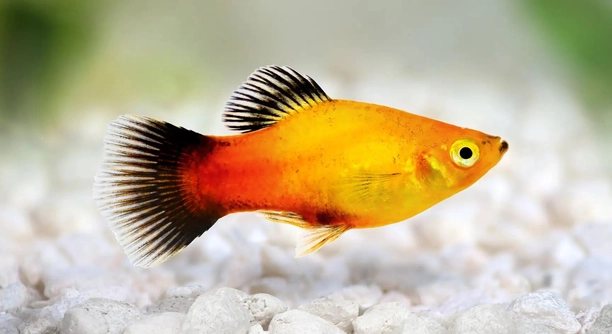
Is your platy spending most of the day hovering in one spot? This behavior can seem unusual and might cause concern for many fish owners. Understanding why this happens can help ensure your pet stays healthy and comfortable.
Platies may hover in one spot due to stress, water quality issues, illness, or lack of oxygen. These factors affect their behavior and well-being, prompting them to remain still as a coping mechanism or response to environmental conditions.
Knowing the reasons behind this behavior is important for maintaining your platy’s health. The following information will help you recognize causes and find practical solutions.
Common Reasons for Platy Hovering Behavior
Platies often hover in one spot when something in their environment feels off. Changes in water temperature or poor water quality can make them less active. If the water has high ammonia or nitrite levels, it can cause stress and discomfort. Sometimes, platies hover near the surface to get more oxygen if the tank isn’t properly aerated. Illness is another reason; infections or parasites might make the fish weak or less willing to swim around. Additionally, sudden changes in lighting or loud noises can startle platies, causing them to freeze in place until they feel safe again. Watching their behavior closely can give clues about what might be wrong and whether it’s temporary or needs intervention.
It’s important to regularly test water conditions and observe your fish for any signs of illness or discomfort.
If your platy is hovering, checking tank conditions first is essential. Clean water, stable temperature, and proper aeration usually improve their activity levels. Some health issues might require medication or quarantine. Observing feeding habits and physical signs like discoloration or spots will help identify problems early. Maintaining a calm environment and a consistent routine also supports their well-being. Sometimes, minor changes in their surroundings make a big difference in how comfortable they feel.
How to Improve Your Platy’s Environment
Ensuring good water quality is key to keeping platies healthy and active. Regular water changes and monitoring parameters help prevent problems. Adding an air stone or filter can increase oxygen levels. Avoid overcrowding the tank, as this stresses fish and reduces water quality. Providing hiding spots with plants or decorations helps platies feel secure and reduces stress. Feeding them a balanced diet ensures they get the nutrients they need for energy and immune support. Maintaining a stable temperature, usually between 72 and 78 degrees Fahrenheit, is also important for their comfort. Small adjustments in care can often restore normal behavior and keep your platy happy.
Taking time to create a stable, clean habitat improves your platy’s health and reduces hovering behavior. Consistency in tank maintenance and feeding helps build a safe space where your fish will thrive. Regular observation ensures you catch any issues early, making treatment easier and more effective. A comfortable environment encourages your platy to swim actively and explore the tank. With proper care, this hovering behavior usually decreases, and your fish becomes more lively.
Signs of Illness in Platies
A platy that hovers and shows signs like faded colors, clamped fins, or labored breathing may be sick. Watching for these signs early helps prevent serious health problems. Illness can reduce activity and cause your fish to isolate itself.
Illnesses such as ich, fin rot, or internal parasites commonly cause platies to behave differently. Ich appears as white spots, while fin rot shows torn or ragged fins. Internal parasites may lead to weight loss and lack of appetite. Stress from poor water conditions can weaken the immune system, making fish more vulnerable. Treatment depends on the diagnosis but often involves medicated baths or antibiotics. Quarantining the sick fish prevents spreading to others.
Regularly inspecting your platy for these symptoms helps catch issues early. Timely treatment often improves recovery chances. Keeping the tank clean and stress-free supports the fish’s immune system. Sometimes, minor symptoms resolve once the environment improves, but ongoing signs should not be ignored.
Managing Stress for Better Behavior
Stress in platies comes from overcrowding, poor water quality, or sudden changes in the tank. It affects their behavior and health, often causing them to hover or hide. Minimizing stress is vital for their well-being.
Reducing stress starts with stable water conditions and avoiding overcrowding. Introducing plants and hiding spots provides security. Sudden noises, bright lights, or aggressive tank mates can stress platies and cause abnormal behavior. Feeding high-quality food at regular intervals supports health. Avoid frequent changes to the tank setup to keep the environment predictable. Monitoring fish daily for changes in behavior allows early response to stress. A calm, consistent environment encourages your platy to be more active and comfortable in its home.
Water Quality and Oxygen Levels
Low oxygen levels can cause platies to hover near the surface. Proper aeration and filtration keep oxygen levels stable.
Testing water regularly helps detect harmful substances like ammonia or nitrites. Clean, well-oxygenated water supports healthy fish behavior.
Feeding Habits and Activity
Platies that are hungry or overfed may show unusual behavior. Feeding the right amount at consistent times encourages normal activity. Overfeeding can pollute water and reduce oxygen, leading to lethargy.
Tank Setup and Decoration
A well-decorated tank with plants and hiding places reduces stress and promotes exploration. Open swimming areas alongside cover help balance comfort and activity for platies.
Monitoring Your Platy’s Behavior
Regularly observing your platy helps identify changes early. Consistency in care and environment supports their health and happiness.
FAQ
Why is my platy hovering at the surface all day?
Platies often hover near the surface to access more oxygen, especially if the tank’s oxygen levels are low. Poor water circulation, overcrowding, or high temperatures reduce oxygen availability. Ensuring proper aeration and water movement usually solves this problem quickly.
Can hovering be a sign of illness?
Yes, hovering can indicate illness or stress. Fish that feel weak or sick may stay still to conserve energy. Look for other symptoms like color changes, clamped fins, or spots. Early detection of illness allows for faster treatment and recovery.
How often should I test my tank water?
Testing water weekly is a good routine. Important parameters include ammonia, nitrite, nitrate, pH, and temperature. Keeping these stable helps prevent stress and health problems for your platy.
What is the ideal temperature for platies?
Platies thrive between 72°F and 78°F. Temperatures outside this range can cause stress, leading to abnormal behavior like hovering or hiding.
Could stress cause my platy to hover?
Stress is a common cause. Overcrowding, aggressive tank mates, loud noises, or sudden changes in the environment can cause a platy to stay still. Providing hiding places and stable conditions helps reduce stress.
How much should I feed my platy?
Feed small amounts once or twice daily, only what they can eat in a few minutes. Overfeeding can pollute the tank and cause lethargy, while underfeeding can leave them weak and inactive.
Is hovering always a bad sign?
Not necessarily. Sometimes platies hover briefly to rest or adjust to new surroundings. Occasional hovering is normal, but if it becomes constant, it indicates an issue worth checking.
Should I isolate my platy if it is hovering a lot?
Isolation is recommended if illness is suspected to prevent spreading to other fish. Quarantine allows for easier treatment and monitoring, but healthy fish that hover due to environment do not need isolation.
How do I improve oxygen levels in my tank?
Use an air stone, filter with good water flow, or add live plants to increase oxygen. Regular water changes also help maintain healthy oxygen levels.
What signs show my platy is recovering?
Increased swimming activity, brighter colors, normal appetite, and interaction with other fish are good recovery signs. If these appear, your platy is likely feeling better.
Can water quality cause hovering?
Poor water quality with high ammonia or nitrites stresses fish and affects their breathing. Clean water with stable parameters encourages normal behavior.
What else can cause a platy to hover?
Sudden environmental changes like new tank setup, temperature fluctuations, or lighting changes can cause temporary hovering. Giving fish time to adjust usually helps.
Are there any illnesses that cause hovering?
Common illnesses include ich, fin rot, and internal parasites. These affect swimming ability and energy, causing fish to stay still or hover.
Can tank mates affect my platy’s behavior?
Yes, aggressive or territorial fish can stress platies. Stress may lead to hiding or hovering as a defense mechanism. Choosing peaceful tank mates helps reduce this.
How long does it take for a platy to recover from stress?
Recovery time varies but usually takes several days to a week with proper care and stable conditions. Consistent environment and good nutrition speed recovery.
What should I do if my platy doesn’t improve?
If behavior doesn’t improve after adjusting water quality and environment, consult a veterinarian or fish expert for diagnosis and treatment advice.
Is it normal for platies to rest by hovering?
Platies sometimes rest by hovering in one spot. This is normal if it is brief and not accompanied by other symptoms.
How can I prevent my platy from hovering excessively?
Maintain clean water, stable temperature, proper oxygen levels, and low stress. Regular tank maintenance and observation prevent most problems.
Does tank size affect platy behavior?
Small tanks can cause stress due to limited space and poorer water quality. Providing enough room helps keep platies active and healthy.
Can live plants help reduce hovering?
Yes, live plants improve oxygen levels and provide hiding spots. This creates a comfortable environment, reducing stress-related hovering.
Platies are generally active and lively fish, but when they start hovering in one spot for long periods, it can be a sign that something needs attention. This behavior is often linked to environmental factors like water quality, temperature, or oxygen levels. It can also indicate stress or illness. Understanding these reasons helps in providing the best care and ensuring your platy remains healthy. Keeping a close eye on your fish and the conditions of the tank is important for early detection of any issues.
Maintaining a stable and clean environment is the best way to prevent most problems that cause hovering. Regular water testing and changes, proper filtration, and consistent feeding routines all play a role in your platy’s well-being. Stress from overcrowding, aggressive tank mates, or sudden changes in the tank should also be minimized. Adding plants or decorations to create hiding spots helps your fish feel more secure. By providing a calm, balanced environment, you can often reduce or eliminate this unusual hovering behavior.
If your platy continues to hover despite good care, it may be a sign of illness or injury. Watching for other symptoms such as changes in color, appetite, or fins can give clues to health problems. Sometimes medical treatment or quarantine is needed to help the fish recover. Regular observation and consistent care help ensure your platy stays happy and active. Overall, patience and attention to details in tank maintenance and fish health are key to preventing and addressing hovering behavior.

Hello,
If you enjoy the content that we create, please consider saying a "Thank You!" by leaving a tip.
Every little bit helps us continue crafting quality advice that supports the health, happiness, and well-being of pets around the world, for pets of all shapes, sizes, and species.
We really appreciate the kindness and support that you show us!