
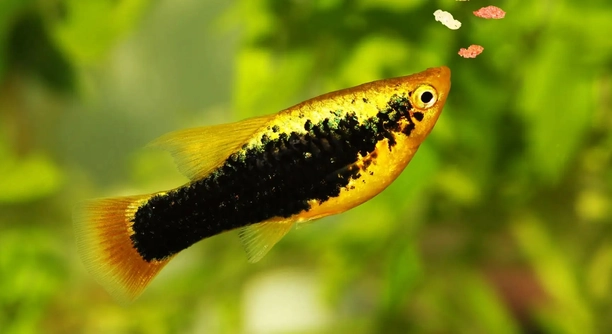
Is your platy fish spending more time hiding behind the heater than swimming freely? Many aquarium owners notice this unusual behavior and wonder what it means. Understanding why your platy retreats to this spot can help you care for it better.
Platys often hide behind heaters due to stress, discomfort, or environmental factors like water temperature and quality. This behavior can indicate the fish is seeking warmth, avoiding strong currents, or escaping perceived threats in the tank.
Knowing why your platy hides can help you improve its living conditions and overall health. This article explains common reasons and offers practical advice to keep your fish comfortable and active.
Common Reasons Platys Hide Behind the Heater
Platys may hide behind the heater for several reasons. One main cause is water temperature. If the water is too cold, they might seek warmth near the heater to stay comfortable. Sometimes, the heater area offers a calm spot with less water movement, which can feel safer for a stressed fish. Another reason is poor water quality. If the tank has high ammonia or nitrite levels, platys may try to escape the discomfort by staying in one spot. Stress from tank mates or sudden changes in the environment can also make platys hide. If your platy is new to the tank, it may take time to feel secure and explore more. Checking water conditions regularly and watching how other fish behave can help you identify why your platy prefers the heater area.
Stress, temperature, and water quality often influence a platy’s hiding behavior.
Keeping the tank clean and stable will encourage your platy to swim more freely. Also, adding plants or decorations can provide hiding spots without forcing your fish into the heater area.
How to Improve Your Platy’s Comfort
A simple way to help your platy feel better is by maintaining a stable water temperature between 72 and 78 degrees Fahrenheit. Using a reliable heater and thermometer helps avoid sudden changes. Regular water testing and partial water changes keep the tank healthy, lowering stress for your fish. It also helps to reduce strong currents by adjusting the filter flow or adding plants to calm the water. Watching how your platy interacts with other fish can show if aggression is a problem. If needed, rearrange the tank layout to create safe zones. Providing a balanced diet with quality food supports your platy’s immune system, making it less likely to hide out of illness. Small changes in the tank environment can make a big difference in your platy’s happiness and activity.
Signs Your Platy Is Uncomfortable
A platy hiding behind the heater often shows other signs of discomfort. It may swim less, stay at the bottom, or lose its bright colors. Watching your fish closely helps spot these changes early and take action quickly.
If your platy is hiding and showing signs like sluggish swimming or clamped fins, it may be stressed or sick. Poor water conditions, illness, or bullying by other fish can cause this. A stressed platy might also refuse food or gasp at the water surface. These behaviors show the fish is struggling and needs better care or treatment.
Sometimes, discomfort comes from water quality problems like high ammonia or nitrate. Even if your tank looks clean, testing water parameters is important. Improving filtration and doing regular water changes can relieve stress. Giving your platy a calm, clean environment helps it regain health and return to normal behavior.
Adjusting Tank Conditions to Help Your Platy
Creating a balanced environment is key for your platy’s comfort. Temperature stability, clean water, and gentle water flow all contribute to a happy fish. Small changes in these areas can make a big difference.
To improve conditions, keep the water temperature steady between 72 and 78 degrees Fahrenheit. Test water weekly for ammonia, nitrites, and nitrates to prevent toxicity. Use a gentle filter setting to avoid strong currents that stress platys. Adding plants or hiding spots gives your fish security and reduces anxiety. Proper feeding and regular tank maintenance support a healthy habitat, encouraging your platy to explore rather than hide behind the heater.
Tank Setup and Decorations
Adding plants and decorations can make your platy feel more secure. These provide hiding spots without forcing it behind the heater. A well-decorated tank reduces stress and encourages natural behavior.
Make sure decorations do not block water flow or trap waste. Clean them regularly to keep the tank healthy.
Social Behavior and Tank Mates
Platys are social fish but can be shy or stressed by aggressive tank mates. If your platy hides often, observe how other fish behave. Sometimes, moving or separating aggressive fish helps.
Creating a peaceful community tank with compatible species improves your platy’s comfort and activity levels.
When to Consult a Veterinarian
If your platy shows signs of illness or extreme hiding, professional help is important. A vet can diagnose diseases and recommend treatments.
Early intervention increases the chance of recovery and a happier, healthier fish.
FAQ
Why does my platy only hide behind the heater and nowhere else?
Platys often seek warmth and safety, and the heater area provides both. It offers a stable temperature and sometimes less water flow, which can feel less stressful. If your platy avoids other hiding spots, it may not trust the rest of the tank or feels safest near the heater’s warmth. Adding more plants or decorations can help your fish feel secure in other places.
Is it normal for platys to hide a lot?
Occasional hiding is normal because platys need places to feel safe. However, if your platy hides all the time, it could mean something is wrong. Stress, poor water quality, illness, or aggressive tank mates can cause excessive hiding. Keep an eye on other behaviors like eating habits or swimming patterns to understand your platy’s health better.
Can water temperature make my platy hide more?
Yes, temperature plays a big role. Platys are tropical fish and prefer water between 72 and 78°F (22–26°C). If the water is colder, they might hide near the heater to stay warm. Sudden temperature changes can also stress them, causing them to hide. Using a reliable heater and thermometer helps keep the temperature steady and comfortable.
What water conditions are best for platys?
Platys thrive in clean, well-maintained water with a pH between 6.8 and 8.0, and low levels of ammonia, nitrites, and nitrates. Regular water changes and good filtration are key. Poor water quality causes stress and hiding. Testing your water weekly helps catch problems early and keeps your platy healthy.
Could tank mates cause my platy to hide?
Yes, aggressive or overly active tank mates can stress your platy. If other fish chase or bully it, your platy will hide to avoid confrontation. Choose peaceful species to live with platys. If aggression is a problem, consider rearranging the tank or separating the fish to reduce stress.
How can I help my platy feel more comfortable?
Create a stable and safe environment by maintaining good water quality, steady temperature, and providing plenty of hiding spots like plants and decorations. Avoid sudden changes in the tank and feed a balanced diet. Reducing stress makes your platy more likely to swim freely and explore.
Is hiding a sign of illness in platys?
Hiding can be a symptom of illness, especially if combined with other signs like loss of appetite, clamped fins, or discoloration. If your platy hides excessively and shows these symptoms, a health issue may be present. It’s important to test water quality and consult a vet if needed.
Should I move my platy if it keeps hiding behind the heater?
If your platy hides because the tank conditions aren’t right, improving the environment is better than moving it. Sometimes, a larger or better-maintained tank helps. Avoid frequent tank moves, as these can increase stress.
Can stress cause long-term hiding?
Yes, prolonged stress weakens your platy’s immune system and can lead to health problems. Stressors include poor water quality, inappropriate tank mates, or unstable temperatures. Managing stress by improving tank conditions helps your platy stay healthy and active.
How often should I test the water to prevent hiding behavior?
Testing water weekly is a good practice. Regular checks for ammonia, nitrites, nitrates, and pH levels help you catch problems early. Keeping water clean and stable prevents stress-related hiding and promotes your platy’s well-being.
Platys are peaceful fish that usually enjoy swimming around their tanks freely. When you notice your platy hiding behind the heater often, it usually means something in its environment is causing discomfort. It could be related to water temperature, water quality, or stress from other tank mates. Understanding these reasons helps you provide better care and make your platy feel safe and healthy. Watching your fish closely and keeping the tank conditions stable are important steps to keep your platy active and happy.
Maintaining the right water temperature is one of the simplest ways to improve your platy’s comfort. Platys prefer water that is warm but not too hot, ideally between 72 and 78 degrees Fahrenheit. If the water is too cold, your fish will naturally seek warmth near the heater. It is also important to keep the water clean by testing it regularly and changing part of it when needed. Good water quality reduces stress and illness, which are common reasons fish hide. Adding plants and decorations can also help because they create safe spots for your platy to explore without feeling threatened.
Lastly, the behavior of other fish in the tank matters a lot. If your platy is bullied or stressed by aggressive tank mates, it will look for hiding places more often. Creating a calm environment with peaceful fish and enough space helps your platy feel more secure. Remember that sudden changes in the tank or poor diet can also affect your fish’s behavior. Taking these small but important steps will encourage your platy to spend more time swimming around instead of hiding behind the heater. Your care makes a big difference in your platy’s health and happiness.

Hello,
If you enjoy the content that we create, please consider saying a "Thank You!" by leaving a tip.
Every little bit helps us continue crafting quality advice that supports the health, happiness, and well-being of pets around the world, for pets of all shapes, sizes, and species.
We really appreciate the kindness and support that you show us!