
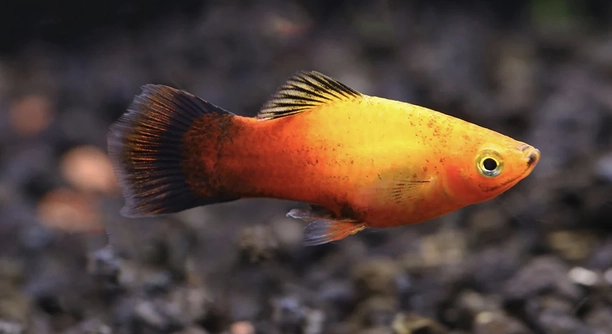
Is your platy spending most of its time hiding behind the filter in your aquarium? Many fish owners notice this behavior and wonder what it might mean for their pet’s health and comfort. Understanding why your platy acts this way can help you create a better environment.
Platies often hide behind the filter due to stress, fear, or environmental discomfort. Factors such as water quality, tank setup, or aggressive tank mates can cause them to seek refuge in quieter, less exposed areas for safety.
Recognizing the reasons behind this behavior is important to ensure your platy feels safe and thrives in its home. The following details will help you better support your fish’s well-being.
Common Reasons Why Your Platy Hides Behind the Filter
Platies are peaceful fish that enjoy feeling secure in their environment. One of the most common reasons they hide behind the filter is stress. This can come from sudden changes in water temperature or poor water quality. If the water parameters aren’t ideal, your platy may seek shelter in quieter parts of the tank. Another factor is tank mates. Aggressive or overly active fish can intimidate a platy, making it retreat. Sometimes, the layout of the tank itself causes hiding. A lack of hiding spots or plants can leave the fish feeling exposed, so they find the nearest refuge, often near the filter. Filters also produce water flow and noise, which can be comforting for some fish but stressful for others. Observing your platy’s behavior and checking these conditions regularly can improve their comfort and reduce hiding.
Filters create water flow that some platies find calming. The filter area often provides a quiet, secure space away from other fish.
Providing enough plants and decorations can reduce stress and encourage your platy to explore more.
How to Help Your Platy Feel Safe and Visible
Improving your platy’s comfort involves addressing both the environment and tank conditions. Start by testing your water regularly to ensure proper pH, temperature, and cleanliness. Keeping the tank clean and stable reduces stress for your fish. Adding live plants or artificial decorations creates natural hiding spots without forcing your platy behind the filter. If you have aggressive tank mates, consider separating them to keep peace. Adjust the filter flow if it is too strong, as excessive current can make your fish seek shelter constantly. Observing your platy’s behavior daily will help you notice any changes that might indicate discomfort or illness. Small adjustments often make a big difference in how your platy behaves, helping it feel more secure and confident in its home.
Creating a Comfortable Habitat for Your Platy
A well-arranged tank helps your platy feel safe and relaxed. Adding plenty of plants and hiding spots reduces anxiety and encourages natural behavior. Make sure there is enough open space for swimming comfortably.
Live plants not only provide shelter but also improve water quality by absorbing nitrates. Plastic plants can work too, but live ones create a more natural environment. Position decorations like rocks and driftwood to form small caves or shaded areas where your platy can rest. Avoid overcrowding the tank with too many decorations, which can limit swimming space and cause stress. Keeping the tank at a stable temperature between 72-78°F and maintaining good filtration will further support a healthy habitat.
Balancing hiding spots and open swimming areas is key. It allows your platy to feel secure without feeling trapped or isolated. Over time, you may notice your fish becoming more confident and active.
Managing Tank Mates and Social Behavior
Platies are social but peaceful fish. Avoid keeping them with aggressive or overly active species that may cause stress or bullying. Some tank mates can chase or nip fins, leading your platy to hide more often. Choose calm fish that share similar water needs.
Ideal companions include other platies, guppies, mollies, or peaceful tetras. Keeping a small group of platies helps reduce loneliness and encourages natural social interactions. Make sure the tank size is adequate to prevent overcrowding, which can increase aggression. Watch for signs of stress like rapid hiding or loss of appetite, which often point to problems with tank mates. Adjusting the community can greatly improve your platy’s behavior and reduce hiding behind the filter.
Monitoring Water Quality Regularly
Keeping water clean is essential for your platy’s health. Regular water tests help you spot harmful changes early. Test for ammonia, nitrites, nitrates, and pH levels every week to maintain a stable environment.
Perform partial water changes to reduce toxins and keep the water fresh. This supports your platy’s immune system and encourages more active behavior outside hiding spots.
Adjusting Filter Flow for Comfort
Strong water currents from the filter can overwhelm your platy, causing it to hide. Lower the flow rate or redirect it away from resting areas to make the tank more comfortable. A gentle current is usually better for small fish.
Filters also help keep the tank clean, but balancing water movement is key to avoid stressing your fish.
Signs of Illness to Watch For
If your platy is hiding more than usual, illness might be a factor. Look for changes in color, sluggishness, or clamped fins. Early detection can prevent serious health issues.
Consult a vet or fish expert if symptoms persist. Prompt care helps your platy recover faster.
FAQ
Why does my platy hide behind the filter all the time?
Platies hide behind the filter mainly to feel safe. Stress from changes in water conditions, aggressive tank mates, or a lack of hiding spots can cause them to seek refuge. The filter area offers a quieter, protected space with some water flow, which can be comforting.
Is it normal for platies to hide often?
Some hiding is normal, especially when your platy is adjusting to a new tank or environment. However, constant hiding could indicate stress, illness, or poor tank conditions. It’s important to observe other behaviors like eating habits and activity levels to understand their well-being.
Can poor water quality make my platy hide?
Yes, poor water quality is a common cause. High ammonia or nitrate levels, incorrect pH, or sudden temperature changes can stress your platy, pushing it to hide. Regular testing and water changes help maintain a stable environment.
How can I reduce my platy’s hiding behavior?
Improving tank conditions is key. Provide plenty of plants and decorations for natural hiding spots, keep water parameters stable, and choose peaceful tank mates. Adjust filter flow to a gentle current and keep the tank clean.
Are aggressive tank mates a reason for hiding?
Yes, aggressive or overly active fish can intimidate platies. This causes them to retreat behind the filter or other hiding places. Selecting compatible, calm fish helps reduce this stress.
Does hiding mean my platy is sick?
Hiding can be a sign of illness, but it’s not the only one. Watch for other symptoms such as loss of appetite, changes in color, or clamped fins. If your platy shows these signs, it’s best to consult an expert.
How often should I test the water?
Testing water weekly is recommended to catch any harmful changes early. Keep an eye on ammonia, nitrites, nitrates, and pH to maintain a safe habitat.
Can the filter noise bother my platy?
Filter noise and vibrations can bother some fish. While some platies find the filter area calming, others might be stressed by loud or strong flow. Adjusting the filter’s output or muffling noise may help.
What is the ideal tank setup for platies?
A tank with stable temperature between 72-78°F, plenty of plants, hiding spots, and calm tank mates is ideal. A balanced environment encourages your platy to swim freely and reduces hiding.
How many platies should I keep together?
Platies are social fish and do well in groups of at least three to five. A small group helps reduce loneliness and promotes natural behavior, but avoid overcrowding to prevent stress.
Should I change the filter flow if my platy hides behind it?
Yes, lowering or redirecting the filter flow can help. A strong current can overwhelm your platy, causing it to hide more. Gentle water movement is better suited for small fish like platies.
What should I do if my platy continues to hide despite changes?
If hiding persists, review water quality, tank mates, and tank layout again. Persistent hiding could signal health problems. Consulting a fish specialist or vet is advised for proper diagnosis and treatment.
Your platy hiding behind the filter is a common behavior that often signals the fish is seeking safety or comfort. Many factors can influence this, including water quality, tank setup, and social dynamics with other fish. Understanding these reasons helps you create a better living space for your platy. Regular monitoring of water conditions and tank environment is essential to keep your fish healthy and reduce hiding behavior.
Making sure the tank has enough plants and decorations provides natural hiding spots that can prevent your platy from feeling exposed. It is also important to keep the water clean and stable, as sudden changes or poor water quality can cause stress. Adjusting the filter flow to be gentle helps, too, since strong currents may scare your fish. Choosing peaceful tank mates is another important step to help your platy feel secure and encourage it to explore the whole tank more freely.
Keeping an eye on your platy’s behavior daily can give you clues about its health and comfort. If hiding increases or other signs like loss of appetite or changes in appearance appear, it may be time to check for illness. Small changes to the tank or care routine often make a big difference. By paying attention to these details, you can help your platy feel at ease and enjoy a happy, healthy life in your aquarium.

Hello,
If you enjoy the content that we create, please consider saying a "Thank You!" by leaving a tip.
Every little bit helps us continue crafting quality advice that supports the health, happiness, and well-being of pets around the world, for pets of all shapes, sizes, and species.
We really appreciate the kindness and support that you show us!