
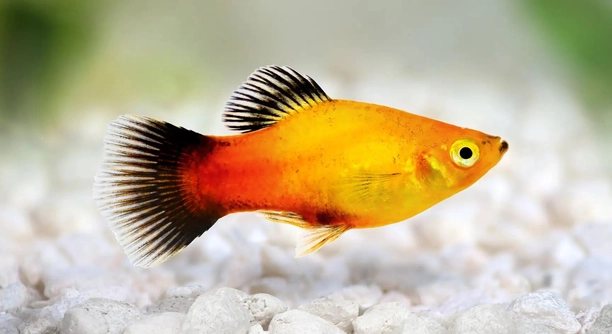
Is your platy fish floating sideways in the tank? This unusual behavior can be worrying for any fish owner. Understanding why your platy is acting this way helps you take better care of its health and environment.
Floating sideways is often caused by swim bladder issues, which affect the fish’s ability to control its buoyancy. Swim bladder disorders can result from infection, injury, or poor water conditions, disrupting the fish’s normal swimming posture.
Knowing the causes and solutions for this problem will help you restore your platy’s well-being and keep your aquarium healthy.
Common Causes of Sideways Floating in Platies
Swim bladder disorder is the most frequent reason for a platy floating sideways. The swim bladder is an internal organ that helps fish maintain balance and control their position in the water. When it is damaged or infected, the fish struggles to swim upright. Poor water quality, sudden changes in temperature, or overfeeding can also stress the fish and contribute to swim bladder problems. Sometimes, bacterial infections or parasites affect the swim bladder directly, causing inflammation or dysfunction. Physical injury from rough handling or tank decorations can impact the swim bladder as well. Identifying these causes early is important to prevent the condition from worsening. Keeping the tank clean and stable reduces the risk, and a balanced diet supports overall fish health.
Other health problems like constipation or dropsy may also cause abnormal swimming behavior in platies.
Besides swim bladder issues, it’s essential to watch for symptoms such as bloating or lethargy, which often appear alongside sideways floating. Treating the water conditions, adjusting feeding routines, and consulting a vet can help manage these problems. Removing any sharp or harmful objects from the tank will also prevent injuries. Consistent monitoring and care improve recovery chances and keep your platy comfortable.
Preventing and Treating Swim Bladder Disorder
Adjusting your platy’s diet to include easily digestible foods can ease swim bladder stress.
Treatment usually starts with fasting the fish for a day or two to clear its digestive system. Feeding shelled peas in small amounts afterward can relieve constipation, a common factor in swim bladder issues. Maintaining clean water with stable temperature and regular testing prevents infections. If symptoms persist, using aquarium-safe antibacterial treatments or consulting a veterinarian is advised. Early intervention and proper care reduce the risk of permanent damage and help your platy regain normal swimming behavior.
Water Quality and Its Impact
Poor water quality directly affects a platy’s health and can cause them to float sideways. High levels of ammonia, nitrites, or nitrates create a toxic environment.
Regular water changes and monitoring parameters like pH, ammonia, and nitrate levels are essential. Using a reliable water test kit helps maintain safe conditions. Keeping the tank clean reduces stress and prevents swim bladder problems related to water quality.
Filtration plays a critical role in water quality. An effective filter removes waste and toxins, ensuring the water remains clear and healthy. Overfeeding and leftover food also pollute the tank, so controlling feeding amounts prevents buildup.
Feeding Practices to Avoid Swim Bladder Problems
Overfeeding platies can lead to digestive issues that impact their swim bladder. It’s important to feed small portions once or twice a day.
Foods high in fiber, like peas, help prevent constipation, which can cause swim bladder dysfunction. Avoid feeding too many flakes or pellets that expand in the stomach, leading to bloating.
Switching to a varied diet, including vegetables and quality flakes, supports healthy digestion. Observing your platy’s eating habits ensures you adjust feeding to its needs, preventing future problems with buoyancy and swimming.
Stress Factors Affecting Platies
Stress weakens a platy’s immune system and can lead to swim bladder issues. Changes in environment or aggressive tank mates often cause stress.
Maintaining a calm and stable tank environment with compatible fish helps reduce stress. Avoid sudden water changes or loud noises near the aquarium.
Physical Injuries and Their Effects
Physical injuries from tank decorations or fights can damage a platy’s swim bladder or internal organs. Sharp objects or rough surfaces increase the risk of injury.
Removing hazardous items and providing plenty of hiding spaces protects your fish. Monitor for signs of injury, such as torn fins or unusual swimming, and act quickly if needed.
When to Seek Veterinary Care
If the platy’s condition does not improve after basic care and treatment, professional veterinary advice is necessary. Persistent symptoms may indicate infections or internal issues requiring medication.
Early diagnosis and treatment can prevent long-term damage and improve recovery chances.
FAQ
Why is my platy floating sideways all of a sudden?
Sudden sideways floating is often caused by swim bladder problems, which may result from poor water quality, overfeeding, or infections. Sudden changes in tank conditions, such as temperature or pH fluctuations, can also stress the fish and affect its buoyancy. Checking your tank environment and feeding habits is the first step to address this issue.
Can poor water quality cause my platy to float sideways?
Yes, poor water quality with high ammonia, nitrites, or nitrates can harm your platy’s swim bladder and overall health. Toxic water stresses the fish and can lead to swim bladder dysfunction, causing abnormal swimming behavior like sideways floating.
How can I improve water quality to help my platy?
Regular partial water changes, testing water parameters, and maintaining a good filtration system are key. Avoid overfeeding and remove uneaten food promptly to reduce waste buildup. Keeping water stable and clean helps prevent health problems.
Is overfeeding responsible for swim bladder issues?
Overfeeding can cause constipation and bloating, which press against the swim bladder and interfere with swimming. Feeding small portions once or twice a day and including fiber-rich foods like peas helps prevent digestive problems that lead to swim bladder disorder.
What foods are best for preventing swim bladder problems?
A varied diet with quality flakes, pellets, and occasional vegetables like shelled peas promotes healthy digestion. Avoid feeding large amounts of dry flakes or pellets that expand in the stomach, as this can cause bloating and buoyancy problems.
Can tank mates cause my platy stress or injury?
Aggressive or territorial tank mates may stress your platy, which can weaken its immune system and affect swimming. They can also cause physical injuries that harm the swim bladder or fins. Choose peaceful, compatible species to maintain a calm tank environment.
How do I know if my platy’s swim bladder is infected?
Signs of infection include bloating, redness near the belly, lethargy, and persistent abnormal swimming such as floating sideways or sinking. If you see these symptoms, it may be necessary to use antibacterial treatments or seek veterinary help.
Can swim bladder issues be cured at home?
Mild swim bladder problems often improve with proper care: fasting, feeding peas, improving water quality, and reducing stress. More severe or infected cases might require medication. Early intervention increases the chance of full recovery.
When should I see a vet for my platy?
If your platy does not improve after water changes, diet adjustments, and basic treatment, consult a vet. Persistent symptoms or signs of infection need professional diagnosis and appropriate medication to prevent permanent damage.
Can temperature changes affect my platy’s swim bladder?
Yes, sudden temperature drops or fluctuations stress platies and can disrupt swim bladder function. Keeping water temperature stable and within the ideal range (around 72-78°F) is important to avoid health issues.
Is constipation the only digestive problem that causes swim bladder issues?
Constipation is the most common, but bloating or internal parasites can also affect the swim bladder. Proper diet, regular feeding routines, and clean water reduce the risk of digestive problems leading to buoyancy issues.
How often should I clean my tank to prevent swim bladder problems?
Partial water changes of 20-30% once a week help keep the water clean and healthy. Cleaning the substrate and removing uneaten food prevent toxin buildup, which can stress your fish and contribute to swim bladder disorders.
Are there any signs that indicate permanent swim bladder damage?
If your platy remains unable to swim upright after several weeks of treatment and shows continuous lethargy or abnormal posture, it might have permanent damage. Long-term care focuses on comfort and maintaining water quality.
Can adding aquarium salt help with swim bladder issues?
Aquarium salt can reduce stress and help with minor infections, but it is not a cure for swim bladder disease. Use salt carefully and follow dosage instructions, as some plants and fish are sensitive to salt.
Should I isolate my platy if it floats sideways?
Isolating your platy in a separate hospital tank can reduce stress and make treatment easier. It also prevents the spread of infections to other fish. Provide gentle water flow and hiding places for comfort.
Can swim bladder problems happen to all types of fish?
Yes, swim bladder disorders affect many fish species, but they are common in small, slow-swimming fish like platies and bettas. Understanding causes and preventive care is important for any aquarium owner.
How long does it take for a platy to recover from swim bladder issues?
Recovery can take days to weeks depending on the cause and severity. Mild cases improve quickly with proper care, while infections or injuries may need extended treatment and monitoring.
Are decorations and tank setup important for preventing injuries?
Yes, sharp or rough decorations can injure your platy, affecting its swim bladder. Use smooth surfaces and provide plenty of space and hiding spots to reduce stress and physical harm.
Can low oxygen levels cause my platy to float sideways?
Low oxygen stresses fish and may contribute to abnormal behavior, but it is not a direct cause of swim bladder problems. Still, maintaining good aeration and water circulation supports overall fish health.
What role does stress play in swim bladder issues?
Stress weakens the immune system and can make platies more vulnerable to infections and swim bladder dysfunction. Stable tank conditions, peaceful tank mates, and proper care reduce stress and related health problems.
Understanding why your platy is floating sideways is important for keeping it healthy and comfortable. The most common cause is swim bladder disorder, which affects the fish’s ability to control its buoyancy and balance in the water. This condition can result from several factors, such as poor water quality, overfeeding, infections, or physical injuries. By recognizing the signs early, like sideways floating or difficulty swimming, you can take steps to improve your platy’s condition before the problem becomes severe.
Maintaining a clean and stable tank environment is one of the best ways to prevent swim bladder issues. Regular water changes, proper filtration, and monitoring water parameters like ammonia and pH help keep your aquarium safe for your platy. Feeding your fish a balanced diet with the right portion sizes is also important. Avoid overfeeding and provide foods that support healthy digestion, such as peas, to reduce the risk of constipation and bloating. Minimizing stress by choosing peaceful tank mates and avoiding sudden changes will support your platy’s overall well-being.
If your platy continues to float sideways despite your efforts, it may require more attention. Fasting for a day or two, adjusting the diet, and improving water conditions often help mild cases. However, persistent or severe problems might need medication or professional veterinary care. Keeping an eye on your platy’s behavior and health allows you to act quickly. By providing a good environment and proper care, you increase the chances of your platy recovering and enjoying a normal life in your aquarium.

Hello,
If you enjoy the content that we create, please consider saying a "Thank You!" by leaving a tip.
Every little bit helps us continue crafting quality advice that supports the health, happiness, and well-being of pets around the world, for pets of all shapes, sizes, and species.
We really appreciate the kindness and support that you show us!