
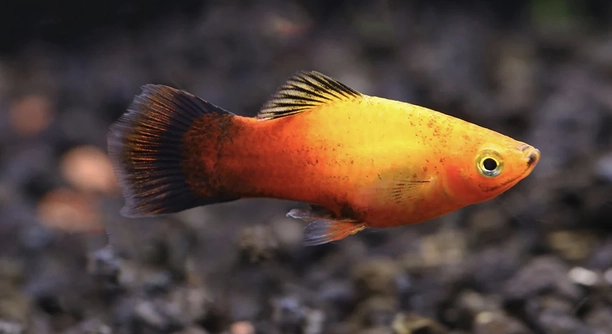
Is your platy swimming near the bottom of the tank and digging in the substrate? Many platy owners notice this behavior and wonder what it means. It is a natural action but can signal different things about your fish’s needs.
Platies dig in the substrate mainly to search for food, explore their environment, or create a comfortable place for resting or breeding. This behavior is instinctive and helps them find nutrients or feel secure. It is usually harmless unless paired with signs of stress or poor water conditions.
Learning more about why your platy digs can help you better care for your fish and maintain a healthy aquarium environment. Understanding their behavior creates a better home for them to thrive.
Reasons Why Platies Dig in the Substrate
Platies often dig in the substrate for several practical reasons. One common cause is their natural instinct to search for leftover food particles. In an aquarium, food can sink to the bottom, and platies use their digging behavior to uncover these small bits. Additionally, digging can be a way to explore their environment or create a comfortable spot to rest. Sometimes, female platies dig to prepare a safe place for laying eggs. This behavior is normal and shows that your fish are interacting with their habitat. However, if the digging becomes excessive or is paired with signs of stress like hiding or loss of appetite, it could indicate a problem with water quality or tank setup. Observing your fish and keeping the tank clean will help you understand if their digging is healthy or a warning sign.
The substrate choice can also influence digging behavior. Fine gravel or sand encourages more digging because it is easier for platies to move around and sift through.
Choosing the right substrate and maintaining good water quality are key to keeping your platies comfortable. If the substrate is too rough or dirty, platies may dig more to find a better spot or avoid discomfort. Regular cleaning and monitoring water parameters will ensure your fish stay healthy and stress-free.
How to Respond to Your Platy’s Digging
If your platy’s digging is moderate and your tank is clean, there is usually no need to intervene. Provide a soft substrate and feed appropriate food to reduce searching behavior. Watch for signs of stress to catch any problems early.
When digging is excessive, consider testing your water for ammonia, nitrite, and nitrate levels. Poor water conditions can make fish restless and prompt unusual behaviors. Ensuring a stable, clean environment will help calm your platy. You can also rearrange tank decorations to create more hiding spaces, which may reduce digging caused by stress. Finally, feeding smaller amounts more often can minimize food sinking to the bottom and reduce the need for digging.
Signs Your Platy May Be Stressed
Platies may dig more when they feel stressed. Stress can come from overcrowding, poor water quality, or sudden changes in their environment. Watch for changes in behavior, such as hiding, loss of appetite, or color fading.
Stress can weaken your platy’s immune system and make it more vulnerable to illness. Overcrowded tanks cause competition for food and space, leading to stress. Poor water quality, including high ammonia or nitrate levels, irritates their skin and gills. Sudden changes like moving the tank or adding new fish can also upset them. When a platy is stressed, digging may increase as they try to find comfort or escape discomfort in the substrate.
To reduce stress, maintain clean water with regular testing and partial water changes. Avoid overcrowding and introduce new fish slowly. Providing plants and hiding places can create a calmer environment. Monitor your platy’s behavior closely to catch problems early before stress becomes serious.
Choosing the Right Substrate for Platies
A soft, fine substrate like sand or small gravel is best for platies. It allows them to dig naturally without hurting their fins or bodies. Rough or sharp substrates can cause injuries or discourage digging.
Sand mimics their natural environment and is easy for platies to sift through while searching for food or making resting spots. Small gravel also works but should be smooth and rounded to avoid harm. Avoid large, rough stones because they can damage delicate fins and prevent natural behaviors. Choosing the right substrate helps reduce stress and supports healthy digging habits.
Additionally, a good substrate helps keep the tank clean by trapping waste that can be vacuumed during maintenance. This contributes to better water quality and healthier fish. When selecting substrate, consider how easy it is to clean as well as how comfortable it is for your platies.
Feeding Habits and Digging Behavior
Platies often dig to find leftover food in the substrate. Uneaten flakes or pellets sink, encouraging them to search below the surface. Feeding smaller amounts helps reduce this behavior by limiting food waste.
Regular feeding schedules keep your platy satisfied. Overfeeding can cause excess food to settle, increasing digging and affecting water quality. Watch their eating habits to adjust portion sizes accordingly.
Monitoring Water Quality
Consistent water testing is essential for healthy platies. Poor water quality can cause stress, increasing digging behavior and other signs of discomfort.
Keeping ammonia, nitrite, and nitrate levels low will help your platy feel secure and reduce unnecessary digging. Use a test kit regularly to maintain a stable environment.
Providing Hiding Spots
Adding plants and decorations gives platies places to hide. This reduces stress and the need to dig for comfort or security.
FAQ
Why does my platy dig more at night?
Platies tend to be more active during low light, including nighttime. Digging at night can be their way of foraging for food or feeling safe in the substrate. They feel less exposed and can explore or rest more comfortably when the tank is darker.
Is digging harmful to my platy?
Digging itself is usually harmless and part of natural behavior. However, if the substrate is rough or sharp, it can cause injuries. Excessive digging paired with stress signs may indicate poor water quality or tank issues needing attention.
Can digging damage my aquarium plants?
Yes, platies digging in the substrate can uproot or disturb plants, especially if the plants have shallow roots. Using heavier pots or anchoring plants better can help protect them from being dug up.
How can I stop my platy from digging too much?
Reducing leftover food, ensuring good water quality, and providing hiding spots can lower digging behavior. Also, using a soft substrate like sand reduces the urge to dig aggressively.
Does substrate type affect digging behavior?
Definitely. Fine sand or small smooth gravel encourages natural digging, while coarse or sharp substrate may discourage it or cause harm. Selecting the right substrate supports healthy behavior.
Should I worry if my platy digs and hides often?
Frequent hiding combined with digging may suggest stress or illness. Check water parameters and observe for other symptoms. If problems persist, consider consulting an expert or vet.
Do all platies dig in the substrate?
Not all platies dig equally. Some are more active diggers depending on personality, tank conditions, and whether they’re searching for food or preparing breeding spots.
Is digging a sign of breeding behavior?
Yes, female platies sometimes dig to create a safe area for laying eggs. This is normal during breeding periods and is part of their natural instinct.
Can poor water quality cause digging?
Poor water quality can make platies uncomfortable and restless, leading to increased digging as they try to find a better spot. Regular water testing and maintenance help prevent this.
How often should I clean the substrate to reduce digging?
Regular cleaning, like vacuuming the substrate weekly or biweekly, removes excess food and waste that encourage digging. Keeping the substrate clean helps maintain a healthy environment for your platies.
Platies digging in the substrate is a common and natural behavior. It usually shows they are exploring, looking for food, or creating a comfortable space. This digging is part of their instincts and helps them feel safe and settled in their environment. Understanding this behavior helps you know your fish better and supports their well-being. When digging is gentle and occasional, it’s a normal part of life in the aquarium and not something to worry about.
Sometimes digging can point to a problem, especially if it happens a lot or seems frantic. Stress from poor water quality, overcrowding, or sudden changes can cause your platy to dig more than usual. It’s important to keep the tank clean and stable by testing water regularly and doing partial water changes. Also, make sure the tank is not overcrowded, and give your fish places to hide, like plants and decorations. These steps reduce stress and help your platy feel comfortable without needing to dig too much.
Choosing the right substrate is also key to keeping your platy happy. A soft, smooth substrate like sand or fine gravel lets your fish dig safely and naturally. Rough or sharp gravel can hurt them or stop them from digging comfortably. Feeding your fish properly, without overfeeding, keeps food from settling at the bottom and encourages healthier behavior. Watching your platy’s actions and making simple adjustments to the tank environment can improve their life and make digging a harmless, normal part of their day.

Hello,
If you enjoy the content that we create, please consider saying a "Thank You!" by leaving a tip.
Every little bit helps us continue crafting quality advice that supports the health, happiness, and well-being of pets around the world, for pets of all shapes, sizes, and species.
We really appreciate the kindness and support that you show us!