
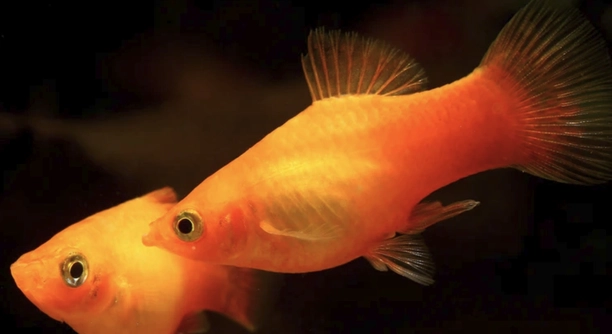
Is your platy darting around the tank more than usual? This quick and sudden movement can catch your attention and make you wonder about its cause. Understanding the reasons behind this behavior is important for your fish’s well-being.
Platies often dart due to stress, sudden changes in their environment, or the presence of other fish. These bursts of movement can indicate discomfort caused by water quality, temperature fluctuations, or territorial disputes within the tank.
Knowing what triggers this behavior helps you create a better environment for your platy. This article will explain common causes and how to keep your fish calm and healthy.
Common Causes of Darting Behavior in Platies
Platies dart around the tank for several reasons related to their environment or health. One major factor is water quality. Poor water conditions, such as high ammonia or nitrate levels, can cause stress and lead to frantic swimming. Sudden changes in water temperature can also make platies uncomfortable, prompting quick movements as they try to adjust. Another reason is the presence of aggressive or overly active tank mates. If other fish chase or nip at the platy, it will dart to escape. Sometimes, new additions to the tank can unsettle your platy, leading to temporary darting as it adapts. Finally, overcrowding or lack of hiding spots makes platies feel unsafe, increasing their darting behavior. Regular maintenance, monitoring water parameters, and ensuring a peaceful environment help reduce these causes and improve your fish’s comfort.
Darting can signal stress, so keeping the tank stable and calm is key to your platy’s health.
Adding plants or decorations offers hiding places, helping your platy feel secure and reducing frantic movements.
How to Improve Your Platy’s Environment
Improving the environment focuses on creating stable, comfortable conditions for your platy. Begin by testing water regularly for ammonia, nitrite, nitrate, and pH levels. Keeping these within safe limits prevents stress. Maintain a consistent water temperature suited for platies, usually between 70-77°F (21-25°C). Avoid sudden temperature changes by using a reliable heater and thermometer. Providing ample space is also important; overcrowding increases tension and darting. Adding live plants and decorations offers hiding spots where platies can retreat when they feel threatened or stressed. Choose peaceful tank mates to reduce chasing or aggressive behavior. Perform regular water changes and clean the tank to keep water quality high. Watching your platy’s behavior closely will help you spot any changes early. By taking these steps, you support your fish’s well-being and minimize darting around the tank.
Recognizing Stress in Your Platy
Stress in platies often shows through rapid, erratic swimming or darting. Other signs include hiding frequently, loss of appetite, or faded colors. Watching for these behaviors helps you catch problems early and improve your fish’s condition.
Stress can arise from poor water quality, aggressive tank mates, or sudden changes in the environment. When stressed, platies may swim frantically or try to escape perceived threats. If you notice your platy darting more than usual, check water parameters immediately and observe other fish for signs of bullying. Creating a calm, stable habitat reduces stress and supports your platy’s health.
If stress persists, consider isolating your platy temporarily in a quieter tank or tank section. This break can help the fish recover and adjust better when reintroduced. Use gentle handling and avoid sudden changes during this period to promote healing and calm behavior.
Feeding and Its Impact on Behavior
Uneaten food or overfeeding can affect your platy’s swimming patterns. Excess food decays and harms water quality, increasing stress levels. Feeding the right amount ensures a healthy tank environment.
Platies need a balanced diet, but overfeeding leads to poor water conditions, which cause discomfort and erratic swimming. Feed small portions once or twice daily, only what your fish can eat in a few minutes. Remove leftover food promptly to prevent waste buildup. Clean water supports calm behavior and reduces darting.
Choosing high-quality flake or pellet food formulated for platies provides essential nutrients. Occasionally supplement with fresh or frozen foods like brine shrimp or bloodworms. A healthy diet helps maintain your platy’s energy and reduces stress-related darting behaviors.
Tank Size and Space
A small tank can make platies feel cramped and stressed. Limited swimming room often leads to darting as they try to find space.
Ensuring enough space helps platies swim calmly and reduces aggressive behavior from overcrowding. A minimum of 10 gallons per platy is recommended for a healthy environment.
Water Parameters and Stability
Maintaining stable water conditions is crucial for platy health. Sudden fluctuations in pH, temperature, or hardness cause stress and erratic swimming. Regular testing and gradual adjustments keep water stable. Using a reliable heater and performing consistent water changes support a balanced environment that prevents darting behavior.
Interaction with Tank Mates
Platies coexist best with peaceful fish. Aggressive or fast swimmers can cause stress and increase darting. Choose compatible species to create a calm community tank that supports healthy behavior.
Signs of Illness
Sudden darting might indicate illness. Watch for other symptoms like lethargy, clamped fins, or discoloration, which require prompt attention to prevent worsening health.
FAQ
Why does my platy dart around suddenly?
Platies dart suddenly mostly due to stress or feeling threatened. This can happen if water conditions are poor, if there are aggressive tank mates, or if sudden changes like new fish introductions occur. They use quick movements as a way to escape danger or discomfort. Checking your tank’s environment and fish interactions can help identify the cause.
Is darting behavior normal for platies?
Occasional darting is normal, especially when platies explore or react to changes. However, frequent, frantic darting usually means something is wrong. It could signal stress, illness, or poor water quality. Observing your platy’s overall behavior and environment helps determine if the darting is a natural reaction or a warning sign.
Can water temperature affect my platy’s swimming?
Yes, platies are sensitive to temperature changes. If the water is too cold or too warm, it stresses the fish and causes erratic swimming or darting. Maintaining a steady temperature between 70°F and 77°F (21°C-25°C) keeps platies comfortable and calm.
How do tank mates influence platy behavior?
Tank mates play a big role in how calm your platy feels. Aggressive or fast-swimming fish may chase or nip, causing your platy to dart away. Choosing peaceful species that match your platy’s temperament reduces stress and unwanted darting.
What water parameters are best for platies?
Platies thrive in water with a pH of 7.0 to 8.2, hardness between 10 to 28 dGH, and stable temperature around 72°F to 78°F (22°C-26°C). Keeping these parameters stable prevents stress and promotes healthy behavior.
Could illness cause my platy to dart?
Yes, illness can cause sudden darting. Parasites, bacterial infections, or swim bladder issues might make your platy uncomfortable and cause erratic swimming. Watch for other signs like clamped fins, lethargy, or discoloration and act quickly if symptoms appear.
How often should I clean my platy’s tank?
Regular tank maintenance keeps water clean and healthy. Change 20-30% of the water weekly, remove uneaten food, and vacuum the substrate. Clean tanks reduce toxins and stress, which in turn lowers darting behavior.
Does feeding affect darting?
Overfeeding can harm water quality and cause stress, leading to darting. Feed small amounts once or twice daily, only what your platy can eat in a few minutes. Removing leftover food helps maintain clean water and calmer fish.
Are hiding spots important for platies?
Yes, hiding spots help platies feel safe. Plants, decorations, and caves provide refuge, reducing stress and darting. Without safe spaces, platies may feel exposed and swim frantically to avoid perceived threats.
What should I do if my platy keeps darting?
Start by testing water quality and stabilizing parameters. Observe tank mates for aggression and ensure your platy has enough space and hiding spots. If darting continues, check for illness and consider isolating the fish for recovery. Consistent care usually improves their behavior.
Final Thoughts
Understanding why your platy darts around the tank helps you care for it better. This behavior usually signals that something in the environment or the fish’s health needs attention. Stress from poor water quality, sudden changes, or aggressive tank mates are common reasons for darting. By keeping the tank clean, stable, and calm, you can reduce your platy’s frantic movements. Observing your fish regularly allows you to spot changes early and address any issues before they worsen.
Creating a comfortable space for your platy is essential. Proper tank size, good water conditions, and plenty of hiding spots all contribute to a calm environment. Feeding your platy the right amount of nutritious food also plays a role in its behavior. Overfeeding or leftover food can harm water quality and increase stress. Keeping a steady routine for feeding and tank maintenance supports your platy’s health and helps prevent erratic swimming.
If your platy continues to dart despite these efforts, it might be a sign of illness or discomfort. Watch for other symptoms such as changes in color, fin damage, or reduced appetite. In these cases, it’s important to act quickly by isolating the fish or consulting an expert if needed. With patience and careful care, you can help your platy feel secure and thrive in its tank, minimizing darting behavior and promoting a peaceful home.

Hello,
If you enjoy the content that we create, please consider saying a "Thank You!" by leaving a tip.
Every little bit helps us continue crafting quality advice that supports the health, happiness, and well-being of pets around the world, for pets of all shapes, sizes, and species.
We really appreciate the kindness and support that you show us!