
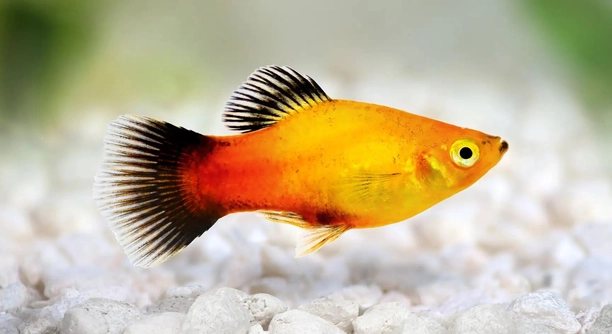
Is your platy constantly darting around its tank? This quick, sudden movement can catch many fish owners by surprise. Understanding why your platy behaves this way is important to ensure its well-being and a calm aquarium environment.
Platies may dart frequently due to stress, poor water quality, or sudden changes in their environment. These factors cause discomfort or fear, triggering their natural instinct to escape potential threats. Addressing these issues can help reduce erratic swimming behavior.
Learning the reasons behind your platy’s darting will help you create a healthier and more peaceful habitat for your fish to thrive in.
Common Causes of Darting Behavior in Platies
Platies often dart due to stress caused by their environment. Poor water quality is one of the leading reasons. If ammonia or nitrite levels rise, or the water temperature fluctuates, the fish will react by swimming quickly and erratically. Sudden loud noises or vibrations near the tank can startle them. Overcrowding is another factor. When the tank has too many fish, platies feel threatened and lack enough space to swim calmly. Aggressive tank mates may also provoke this behavior. Sometimes, darting happens because the fish are simply exploring or reacting to changes in lighting. Keeping the aquarium clean and maintaining a stable environment helps platies feel secure and reduces frantic movements.
Water quality and tank setup are the primary areas to check if your platy darts frequently.
Proper maintenance and mindful tank management can keep your platy comfortable, reducing stress-induced darting and improving its overall health.
How to Improve Your Platy’s Environment
Adjusting the tank conditions can make a big difference. Start with regular water tests and changes to keep chemical levels safe. Ensure the tank is not overcrowded and that all fish have enough space. Adding plants or hiding spots can help platies feel more secure. Avoid sudden changes in lighting and noise around the aquarium. Keep the temperature steady, ideally between 70 and 78°F. Using a gentle filter helps maintain clean water without creating strong currents that stress the fish. Monitoring tank mates and removing aggressive fish can prevent chasing and darting. These steps support calmer behavior and a healthier tank environment for your platy to enjoy daily life.
Signs of Stress in Platies
Stress in platies often shows through erratic swimming, such as darting or hiding frequently. Loss of appetite and faded colors are also common signs. These behaviors indicate the fish is uncomfortable and may need environmental adjustments to improve its well-being.
Platies exposed to poor water conditions or aggressive tank mates often become stressed quickly. Stress weakens their immune systems, making them more vulnerable to disease. Watching for these signs early helps prevent serious health problems. It is important to maintain stable water parameters and a peaceful tank community to reduce stress levels. Providing hiding spaces also allows platies to feel safe, lowering their anxiety.
Regular observation and timely action improve the quality of life for your platy. Small changes in care can have a large impact on calming your fish and stopping constant darting behaviors.
Impact of Tank Size on Platy Behavior
A tank that is too small limits swimming space and increases stress, leading to constant darting. Platies need room to explore and rest, which a cramped environment cannot provide. Overcrowding worsens this issue by increasing competition and aggression.
A minimum tank size of 10 gallons is recommended for a small group of platies. Larger tanks reduce territorial disputes and allow natural behavior, resulting in calmer fish. Proper tank size supports stable water quality by diluting toxins and maintaining oxygen levels. Ensuring enough space helps platies swim freely and reduces erratic movement caused by stress. Consistently providing a spacious environment is one of the easiest ways to promote healthier, more relaxed fish.
Diet and Its Effect on Platy Activity
A poor diet can make platies restless and more likely to dart around. Feeding high-quality, balanced food helps keep them calm and healthy.
Overfeeding or giving inappropriate food can cause digestive issues, leading to discomfort and erratic swimming behavior.
Lighting and Platy Behavior
Strong or inconsistent lighting can stress platies, causing them to dart frequently. Using a gentle, stable light cycle helps create a comfortable environment. Dimmer lighting or adding plants for shade can reduce stress and encourage calmer swimming habits.
Water Temperature and Movement
Temperature changes directly affect platy activity. Warmer water increases metabolism, making fish more active and prone to darting.
Tank Mates and Social Stress
Aggressive or overly active tank mates can cause platies to dart to escape. Choosing peaceful companions reduces stress and promotes calm behavior.
FAQ
Why does my platy dart only at certain times?
Platies may dart more when they feel threatened or uncomfortable. This often happens during feeding times, sudden noises, or when lights turn on or off. Changes in the tank’s environment can trigger their natural instinct to quickly escape perceived danger. Monitoring these times can help identify specific stressors.
Can darting be a sign of illness in my platy?
Yes, constant darting can indicate health issues. Parasites, infections, or internal discomfort might cause restless swimming. If darting is combined with other symptoms like loss of appetite, lethargy, or discoloration, a veterinary check or water test is advised. Early detection helps in effective treatment.
How often should I test my tank water to prevent darting?
Testing water weekly is a good practice to maintain a healthy environment. Regular checks of ammonia, nitrite, nitrate, and pH levels prevent sudden changes that stress platies. Consistent water quality helps reduce erratic behavior caused by poor conditions.
Will adding plants reduce darting behavior?
Yes, live or artificial plants create hiding spots that make platies feel safer. These provide shelter and break line of sight, reducing fear and the urge to dart. Plants also improve water quality and contribute to a more natural habitat.
Is it normal for platies to dart after being introduced to a new tank?
Yes, platies often dart as they explore and adjust to a new environment. This behavior usually decreases after a few days once they feel secure. Ensuring stable water conditions and gentle tankmates helps speed up the adjustment period.
Can overfeeding cause my platy to dart more?
Overfeeding can cause digestive upset, making fish uncomfortable and restless. This can increase darting as they try to relieve discomfort. Feeding small, balanced portions twice a day supports good health and calmer behavior.
Do platies dart less in larger tanks?
Generally, yes. Larger tanks provide more space to swim and reduce stress from overcrowding. Platies have room to explore and hide, which lowers anxiety and erratic movements. Tank size plays a key role in their overall behavior.
Are there specific tank mates that reduce darting in platies?
Peaceful, non-aggressive fish help reduce stress for platies. Avoid fast or territorial species that chase or nip. Suitable companions include guppies, mollies, and tetras. A calm community tank promotes less darting and a healthier social environment.
How does lighting schedule affect darting?
Consistent light and dark cycles create a stable environment, helping platies feel secure. Sudden changes in lighting can startle fish and trigger darting. Using timers to maintain regular schedules reduces stress and promotes calm swimming.
What can I do if my platy keeps darting despite good care?
If all environmental factors are optimal but darting continues, consider consulting a specialist. Sometimes underlying health issues or subtle tank imbalances need professional attention. Patience and careful observation are essential for resolving persistent behaviors.
Platies are lively and beautiful fish that bring life to any aquarium. When they start darting constantly, it can be worrying and confusing. Understanding why this behavior happens is important to keeping them healthy and comfortable. Many times, darting is a sign that something in their environment needs attention. Whether it is water quality, tank size, or stress from other fish, these factors can make your platy feel unsafe or uneasy. Taking the time to observe your fish and their surroundings helps identify what might be causing the problem. This way, you can make simple changes that lead to a calmer and happier platy.
Maintaining good water quality is one of the most important steps. Regular testing and water changes keep harmful chemicals low and water conditions stable. Platies are sensitive to sudden changes in temperature, pH, or pollution. Even small fluctuations can trigger frantic swimming as they try to escape discomfort. Along with water care, having the right tank size and peaceful tank mates reduces stress. Overcrowding or aggressive fish cause fear, making platies dart to avoid confrontation. Providing plants or decorations for hiding places also gives them safe spots to rest. These efforts create a balanced environment where platies feel secure and less likely to dart constantly.
Sometimes, darting can be a sign of illness or digestive problems, so watching for other symptoms is important. If your platy is darting but also looks weak, loses appetite, or has unusual marks, it might need medical care. In many cases, though, simple improvements in tank maintenance and care reduce or stop darting. The key is patience and consistency in creating the right conditions. Your platy will respond positively when it feels safe, well-fed, and comfortable. By paying close attention and adjusting the tank as needed, you can enjoy a peaceful aquarium where your platy swims calmly and happily.

Hello,
If you enjoy the content that we create, please consider saying a "Thank You!" by leaving a tip.
Every little bit helps us continue crafting quality advice that supports the health, happiness, and well-being of pets around the world, for pets of all shapes, sizes, and species.
We really appreciate the kindness and support that you show us!