
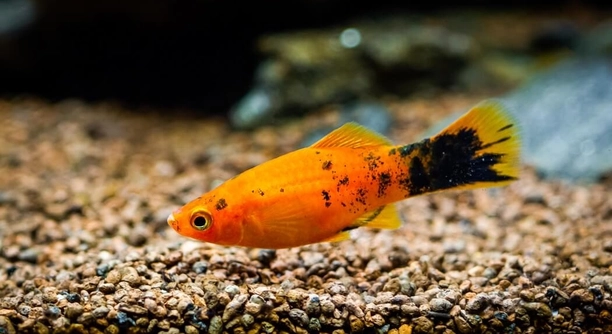
Is your platy moving around the tank with quick gill movements or hanging near the surface more than usual lately?
Rapid breathing in platies is often a sign of stress, poor water quality, or low oxygen levels. It can also indicate illness or parasites affecting the gills, which can compromise the fish’s ability to breathe properly.
Understanding what causes this behavior can help you act quickly and create a safer, healthier environment for your fish.
Common Causes of Rapid Breathing in Platies
Rapid breathing in platies is usually linked to environmental stress. Poor water quality is one of the most frequent causes. Ammonia or nitrite levels above zero can irritate their gills, making it hard for them to breathe. Sudden temperature changes, overcrowding, or a lack of oxygen in the tank can also trigger this reaction. Another possible cause is disease, such as gill flukes or bacterial infections, which physically damage the gills and reduce respiratory efficiency. Chemical contamination, like residue from cleaners or new tank decorations, can also irritate your fish. Sometimes, aggression from other tank mates may force a platy to stay hidden or stressed, leading to labored breathing. Always test the water and observe your fish’s behavior closely. A healthy tank environment is the first step to solving most breathing problems.
Watch out for signs like gasping at the surface, clamped fins, or staying still at the bottom.
Even slight changes in your platy’s behavior should not be ignored. Fish often show early signs of distress before a serious health issue develops. Acting fast can make a big difference.
How to Help Your Platy Breathe Better
Start by testing the water for ammonia, nitrites, and nitrates. Unsafe levels should be addressed immediately through water changes and proper filtration.
If the readings are off, change 25–50% of the water and check your filter for clogs or poor circulation. Consider adding an air stone or increasing surface agitation to boost oxygen levels. Make sure the tank temperature is steady—platies do best in water between 72°F and 78°F. If other fish are acting aggressively, consider rearranging the tank or separating them. Look for visible signs of parasites or infection, like red gills or mucus, and treat accordingly with the proper medication. Be cautious when adding new decorations or using cleaning products, as even small traces of chemicals can harm your fish. Feeding a balanced diet and keeping the tank clean every week supports their overall health and makes recovery easier. Keeping a consistent routine can prevent most problems before they begin.
Signs to Watch for Beyond Breathing
Aside from rapid breathing, your platy may show other symptoms that signal something is wrong. Watch for loss of appetite, faded colors, erratic swimming, or hiding more than usual. These signs often appear before the condition gets worse.
Platies that are sick or stressed may stay near the surface, gasp for air, or isolate themselves in a corner of the tank. You might also notice their gills moving faster than usual or their fins clamped close to their body. Some may flick against objects in the tank if parasites are irritating their skin. Reduced activity or floating near the bottom are also signs something’s off. If the fish looks bloated or shows unusual marks, such as red streaks or spots, it could be a sign of internal issues or infection. Keep an eye on their behavior and log any changes you see over time.
Behavioral changes can happen slowly or suddenly. If one fish is acting differently while others are fine, it still needs your attention. Isolating the affected platy in a hospital tank can help with closer observation and treatment. Just make sure the hospital tank also has clean, conditioned water and the right temperature. Avoid using medications without checking the cause first.
When to Seek Additional Help
If your platy continues breathing rapidly after water changes and treatment, it’s time to get professional advice. Prolonged stress or illness can cause permanent damage. A veterinarian who specializes in fish can help you identify less obvious issues.
Sometimes the problem goes beyond what home care can fix. Internal infections, gill parasites, or underlying diseases may need prescription-strength treatments or more accurate diagnosis. A vet might suggest lab tests or advanced treatment based on symptoms. Also, consider asking an experienced local aquarist for input—they may have faced similar cases. Avoid using multiple medications at once, as this can do more harm than good. Having clear photos or videos of your fish’s behavior can help when consulting someone. In more severe cases, euthanasia may be recommended to prevent suffering, but this should always be a last resort after exploring every option.
Preventing Breathing Issues in the Future
Keep the water clean by doing regular partial changes every week and checking for ammonia or nitrite spikes. A stable tank environment lowers the risk of stress and breathing problems.
Avoid overfeeding and overcrowding. Both can lead to poor water quality and increased stress. A balanced tank makes a big difference.
Importance of Monitoring Tank Conditions
Checking the water regularly helps catch small problems before they turn serious. Test kits for ammonia, nitrite, nitrate, and pH are useful tools that keep things in balance. Also, observe how your fish act daily. Even subtle changes can mean something’s wrong. Good filtration and steady water temperature also play a major role. Keeping a log of test results, temperature changes, and any visible symptoms can help identify patterns. If a problem happens again, you’ll have something to reference. Proper lighting and a consistent feeding routine can also reduce stress and support your fish’s immune system. Prevention often comes down to staying consistent and aware of your tank’s daily condition.
Products That Can Help
Using an air stone or sponge filter improves oxygen levels and circulation. These tools support better breathing for all your fish.
FAQ
Can poor water quality cause rapid breathing in platies?
Yes, poor water quality is one of the most common causes. Even slight spikes in ammonia or nitrites can irritate your platy’s gills. When water becomes toxic, fish struggle to get enough oxygen. Always check your tank’s ammonia, nitrite, and nitrate levels regularly. Sudden breathing changes often trace back to chemical imbalances. Cleaning your filter, avoiding overfeeding, and doing weekly water changes are important to keep levels safe.
How can I tell if my platy is stressed?
Stress shows in many ways—rapid breathing, hiding, clamped fins, or color fading. Your platy may avoid other fish or stay near the surface. Some even refuse food. If the water tests are fine but your fish still acts off, check for temperature swings, bullying from tank mates, or poor lighting. A calm environment and stable conditions help reduce stress.
Is it normal for platies to breathe fast after eating or swimming a lot?
Mild changes in breathing right after activity can be normal, especially if they’ve been swimming more than usual or eating quickly. But this should settle within minutes. If your platy continues breathing rapidly long after these activities, it could be a sign of a deeper issue, like low oxygen levels or water quality problems.
What temperature should I keep the tank at for platies?
Platies thrive in water between 72°F and 78°F. If the temperature drops too low or climbs too high, they can become stressed and start breathing heavily. Use a reliable aquarium heater and thermometer to keep conditions steady. Sudden fluctuations can be harmful, especially during seasonal changes or if the tank is near a window.
Should I isolate a platy that’s breathing fast?
If the platy shows other symptoms or continues breathing fast even after a water change, isolation might help. A separate hospital tank allows you to monitor and treat them without exposing other fish. Make sure the hospital tank is fully cycled, with stable water parameters and a gentle filter.
Can overfeeding cause breathing issues?
Yes, overfeeding leads to leftover food that breaks down and pollutes the water. This can raise ammonia levels quickly. It also puts stress on the fish’s digestion. Feed small amounts once or twice a day and remove uneaten food after a few minutes. A cleaner tank supports better breathing.
What if only one of my platies is affected?
Even if just one fish is breathing fast, take action. Fish often hide symptoms until they’re serious. The issue could be specific to that fish—like an infection, injury, or stress—or a sign that something is just beginning to affect the tank. Testing your water and observing all your fish closely is essential.
Do air stones actually help with oxygen levels?
Yes, air stones create surface agitation, which allows more oxygen to dissolve into the water. They don’t directly make oxygen, but they help move the water and increase gas exchange. If your tank seems still or your fish hang near the surface, adding an air stone can make a noticeable difference.
How soon should I expect improvement after making changes?
If poor water quality caused the issue, your fish might improve within hours of a water change. Oxygen levels also rebound quickly with better circulation. But if the cause is illness or parasites, improvement could take days or more, depending on treatment. Keep observing them closely and be patient.
Can I use aquarium salt to help?
Aquarium salt can be helpful in small amounts for mild stress or gill irritation. It supports gill function and can reduce the risk of infection. However, not all fish tolerate salt well, so make sure your tank mates are safe with it. Always follow dosage instructions carefully.
Final Thoughts
Taking care of your platy means staying alert to any changes in behavior. Rapid breathing is often a sign that something is wrong in the tank. It might be poor water quality, low oxygen, sudden temperature shifts, or even early signs of illness. While it may seem small at first, fast gill movement or hanging near the surface should not be ignored. The sooner you act, the better chance your platy has of getting back to normal. Simple steps like regular water testing, small weekly water changes, and proper feeding habits make a big difference in keeping your fish healthy.
A stable tank environment helps prevent many problems before they start. Keep the temperature within the proper range, avoid overcrowding, and make sure your filter is working well. Using an air stone or adjusting the water flow can improve oxygen levels, which is important for all fish. Watching your fish closely each day will help you notice small changes early. If a problem does come up, you’ll be ready to handle it quickly. Isolation tanks can also help when a fish needs special care. Just be sure the hospital tank is safe, clean, and set up properly.
Caring for fish takes patience and routine. It’s not just about feeding them; it’s about creating a safe, balanced space they can live in every day. Your platy depends on you to watch for signs of stress or sickness and respond with care. Even though they’re small, they still show clear signals when something isn’t right. Taking time to learn their behavior helps you understand what’s normal and what’s not. With attention and steady care, you can help your platy recover from breathing issues and enjoy a peaceful, active life in your tank.

Hello,
If you enjoy the content that we create, please consider saying a "Thank You!" by leaving a tip.
Every little bit helps us continue crafting quality advice that supports the health, happiness, and well-being of pets around the world, for pets of all shapes, sizes, and species.
We really appreciate the kindness and support that you show us!