
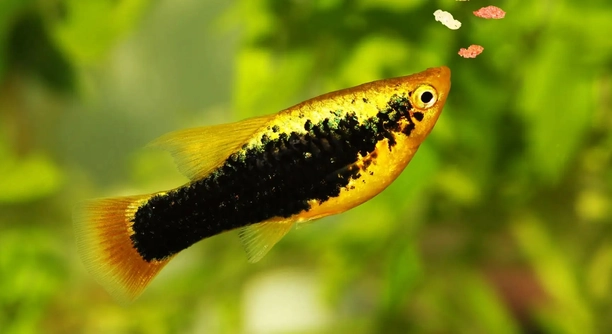
Many platy fish owners notice their pets breathing heavily near the tank’s bottom. This behavior can be concerning and may indicate changes in the fish’s environment or health. Understanding the reasons behind it helps in proper care.
Heavy breathing at the bottom often signals low oxygen levels or poor water quality. It can also be caused by stress, illness, or improper tank conditions. Monitoring water parameters and ensuring a healthy environment is crucial to address this issue.
Knowing what causes this behavior is important for your platy’s well-being. This article will explain common factors and suggest ways to improve your fish’s health.
Causes of Heavy Breathing at the Bottom
Heavy breathing near the tank’s bottom usually points to environmental issues. Poor water quality is the most common reason, often caused by excess waste or inadequate filtration. Ammonia and nitrite levels can rise quickly, making it hard for platys to breathe. Oxygen levels might also drop if the water isn’t properly aerated. Another factor is temperature; warmer water holds less oxygen, which can stress fish. Sometimes, heavy breathing comes from illness or parasites affecting the gills or respiratory system. Stress from overcrowding or aggressive tank mates also plays a role. Observing your fish’s behavior closely and testing the water regularly helps identify these problems early. Making small adjustments in tank maintenance can improve the situation quickly, helping your platy breathe easier and feel more comfortable in its home.
Regular water testing and proper filtration are essential for healthy fish.
It is important to keep your tank clean and well-maintained. Regular water changes, using a good filter, and ensuring the temperature is right will improve oxygen levels. Avoid overcrowding and watch for signs of illness. These steps can reduce heavy breathing and help your platy thrive.
How to Improve Water Quality and Oxygen Levels
Testing water parameters frequently is the best way to catch problems before they worsen. Keep ammonia, nitrites, and nitrates within safe limits. Regular partial water changes reduce toxins and refresh oxygen. Adding an air stone or improving filter flow increases oxygen circulation. Avoid overfeeding, as leftover food contributes to waste buildup and poor water conditions. Maintaining plants in the tank can help oxygenate the water naturally. Also, check the heater and thermometer to keep the water temperature stable, usually between 72-78°F for platys. Reducing stress from other fish by providing enough space and hiding spots supports better breathing and overall health. Small changes in care and attention can prevent heavy breathing and ensure your platy lives comfortably.
Common Health Issues Affecting Breathing
Heavy breathing can result from infections or parasites. Gill diseases, like bacterial or fungal infections, impair oxygen absorption. Parasites attach to the gills, causing irritation and difficulty breathing. Identifying these issues early is important to prevent serious harm.
Treating infections often involves medicated water or antibiotics. Quarantining the affected fish helps avoid spreading illness. Maintaining good water quality supports recovery and prevents future problems. Regular observation helps catch health changes early, improving treatment success. If your platy shows signs of disease, prompt action is necessary to ensure its comfort and survival.
Stress weakens the immune system, making fish more vulnerable to illness. Providing a calm environment and stable conditions reduces stress and helps prevent health problems. Overcrowding, sudden changes, or aggressive tank mates increase stress, so managing these factors is important for your platy’s breathing and overall health.
Behavior and Tank Environment
Platys may breathe heavily at the bottom when they seek cooler or oxygen-rich water layers. This behavior sometimes reflects an effort to find comfort in less stressful spots. Tank setup, including water flow and hiding places, influences their behavior significantly.
Strong currents or bright lights can make platys retreat to calmer areas near the bottom. Ensuring a balanced environment with moderate water movement and shaded spots helps reduce stress and improves breathing patterns. Adjusting tank conditions to match natural preferences encourages healthier behavior and reduces heavy breathing. Creating a peaceful tank atmosphere supports your platy’s well-being.
Signs of Stress in Platys
Heavy breathing can be a sign of stress caused by changes in the tank or water quality. Stress often lowers their immune response, making them more prone to illness. It is important to watch for other signs like hiding or loss of appetite.
Environmental factors such as sudden temperature shifts or aggressive tank mates can increase stress levels. Keeping a stable and peaceful environment helps platys stay calm and breathe normally.
Importance of Regular Maintenance
Consistent tank cleaning and water testing prevent many problems that cause heavy breathing. Removing waste and uneaten food reduces harmful toxins. Regular water changes maintain oxygen levels and keep conditions stable, supporting your platy’s health and comfort.
Monitoring Your Platy’s Behavior
Observe your platy daily for any changes in breathing, movement, or appetite. Early detection of problems helps in timely intervention. Knowing your fish’s normal behavior makes it easier to spot when something is wrong.
When to Seek Professional Help
If heavy breathing persists despite improvements, consult a vet experienced with fish. Some health issues need specialized treatment to prevent serious outcomes.
FAQ
Why is my platy breathing heavily only at the bottom of the tank?
Platies often stay at the bottom and breathe heavily when oxygen levels near the surface are low or water quality is poor. The lower part of the tank might have cooler, more oxygen-rich water, or your fish may be avoiding stressors like strong currents or bright lights at the top.
Can poor water quality cause heavy breathing in platys?
Yes. High levels of ammonia, nitrites, or nitrates can irritate the gills and reduce oxygen absorption, causing heavy breathing. Waste buildup from uneaten food or overcrowding worsens water quality, making it difficult for your platy to breathe normally.
How often should I change my platy’s tank water?
Regular partial water changes, around 20-30% weekly, help maintain water quality and oxygen levels. More frequent changes may be needed in smaller tanks or if water tests show rising toxins. Clean water supports healthy breathing and overall fish health.
Can temperature affect my platy’s breathing?
Warmer water holds less oxygen, which may cause your platy to breathe heavily. Keeping water temperature between 72°F and 78°F helps maintain oxygen levels and reduces stress. Avoid sudden temperature changes as they can shock your fish.
What signs show my platy is stressed besides heavy breathing?
Other signs include hiding frequently, loss of appetite, erratic swimming, or fading colors. Stress weakens their immune system and increases risk of illness. Reducing stress by improving tank conditions can help your platy recover.
Could illness cause heavy breathing?
Yes. Bacterial, fungal, or parasitic infections affecting the gills reduce oxygen absorption. Early signs may be subtle, so monitoring your fish closely is important. Quarantining sick fish and using proper medication can prevent the spread and aid recovery.
How can I improve oxygen levels in the tank?
Using an air stone, improving filter flow, and adding live plants increase oxygen circulation. Avoid overcrowding and overfeeding to reduce waste. Regular water changes also refresh oxygen and keep the tank environment balanced.
Is heavy breathing normal after feeding?
Sometimes, platys breathe faster briefly after eating as their metabolism increases. This should only last a few minutes. Prolonged heavy breathing after feeding may indicate poor water quality or other problems needing attention.
Can tank mates cause my platy’s heavy breathing?
Aggressive or overly active tank mates can stress platys, leading to heavy breathing. Ensure compatible species and enough space to reduce conflict. Providing hiding spots helps your platy feel secure and breathe more comfortably.
When should I seek help from a vet?
If heavy breathing continues despite water changes, temperature control, and stress reduction, a vet’s advice is needed. Persistent symptoms may indicate illness requiring professional treatment to prevent serious harm.
Heavy breathing in your platy can be an important signal about its health and the conditions in its tank. It often points to issues like poor water quality, low oxygen levels, or stress. Paying close attention to these signs helps ensure your fish remains comfortable and healthy. Taking small but consistent steps to improve the tank environment can make a big difference in your platy’s well-being.
Maintaining clean water through regular testing and changes is essential. Keeping ammonia, nitrites, and nitrates at safe levels reduces gill irritation and supports good breathing. Proper aeration and temperature control also play key roles in creating a stable habitat. Avoiding overcrowding and providing enough space and hiding places reduce stress, which in turn helps your platy breathe more easily. Monitoring your fish daily allows you to notice any unusual behavior early, so you can respond quickly if problems arise.
If heavy breathing continues despite these efforts, health issues may be involved. Diseases affecting the gills or parasites can cause breathing difficulties and require prompt treatment. Consulting a veterinarian who specializes in fish can help identify and address these conditions effectively. Overall, understanding the causes and solutions for heavy breathing empowers you to provide the best care for your platy, ensuring it thrives in its home.

Hello,
If you enjoy the content that we create, please consider saying a "Thank You!" by leaving a tip.
Every little bit helps us continue crafting quality advice that supports the health, happiness, and well-being of pets around the world, for pets of all shapes, sizes, and species.
We really appreciate the kindness and support that you show us!