
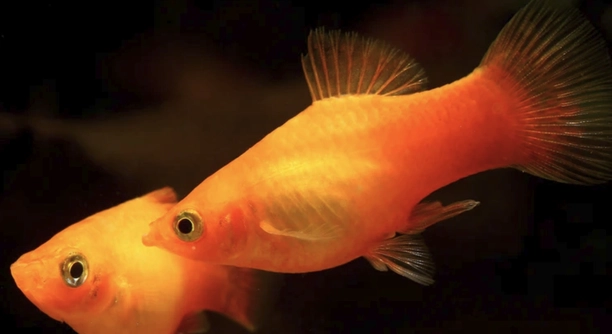
Platies are popular aquarium fish known for their peaceful nature and bright colors. Sometimes, owners notice their platy breathing rapidly near the water’s surface. This behavior can be concerning and may indicate changes in the tank environment.
Rapid breathing at the top of the tank usually signals low oxygen levels or water quality issues. Platies rise to the surface to access more oxygen, as the water near the surface has higher oxygen concentration compared to the tank’s deeper areas.
Understanding why your platy behaves this way helps ensure a healthy environment. This article explores common causes and simple steps to improve your fish’s well-being.
Common Causes of Fast Breathing in Platies
Platies breathing fast at the surface usually points to environmental stress. One common cause is low oxygen in the water. When oxygen levels drop, platies swim to the surface where oxygen is more available. Another cause is poor water quality. High ammonia, nitrite, or nitrate levels from waste buildup can make it hard for fish to breathe properly. Temperature also affects oxygen availability. Warm water holds less oxygen, so if the tank is too warm, your platy may struggle. Overcrowding increases waste and reduces oxygen, creating a stressful environment. Finally, diseases or parasites may cause breathing problems, making your platy gasp for air. Regular water testing, proper tank maintenance, and monitoring temperature can help prevent these issues.
Water changes and aeration often improve oxygen levels quickly. Using an air stone or filter with strong water movement increases oxygen circulation.
Addressing these factors helps maintain a healthy tank. Your platy’s breathing should return to normal once conditions improve and stress decreases.
How to Improve Oxygen Levels Quickly
Increasing oxygen can be done by improving water movement. Using an air pump or air stone creates bubbles that add oxygen to the water. A filter that agitates the surface also helps gas exchange. Avoid overstocking the tank to reduce oxygen demand. Lowering water temperature slightly can increase oxygen solubility. Regular partial water changes remove waste and toxins, supporting better oxygen levels. Checking water parameters regularly helps spot issues early. Ensuring plants in the tank are healthy adds oxygen during the day. By taking these steps, you create a more stable and comfortable environment for your platy, reducing stress and fast breathing.
Proper oxygen management supports your fish’s health, making your aquarium a better place to live. Consistent care prevents repeated problems.
Identifying Water Quality Problems
Poor water quality often causes fast breathing in platies. Testing ammonia, nitrite, and nitrate levels is essential. These chemicals build up from fish waste and uneaten food, making the water toxic. Clear water doesn’t always mean safe water.
Regular water tests help catch issues early. Ammonia and nitrite should be zero, while nitrates should stay below 20 ppm. High readings require immediate action. Frequent water changes reduce toxins and restore balance. Avoid overfeeding and clean the substrate regularly to prevent waste buildup. A good filter supports biological filtration, breaking down harmful substances. Maintaining stable water parameters improves your platy’s health and reduces stress, which often causes rapid breathing.
Using water conditioners also helps neutralize harmful chemicals. Keeping water clean ensures your platy can breathe easily and thrive.
The Impact of Tank Temperature on Breathing
Higher water temperatures decrease oxygen levels, making it harder for platies to breathe. Warm water holds less oxygen, which can cause fish to gasp near the surface. Maintaining a temperature between 72°F and 78°F helps prevent oxygen depletion.
Temperature fluctuations stress fish and weaken their immune systems. A reliable heater with a thermostat ensures stable conditions. Avoid placing the tank near heat sources or direct sunlight, as this can raise temperatures unexpectedly. Using a thermometer regularly helps monitor water temperature. Cooler water encourages better oxygen absorption, supporting normal breathing. Keeping temperature stable protects your platy from stress-related breathing issues and promotes overall health.
Overcrowding Effects on Breathing
Too many fish in a tank reduce available oxygen. Overcrowding increases waste and stresses platies, leading to rapid breathing.
Giving each fish enough space lowers stress and improves water quality. Proper stocking prevents oxygen shortages and keeps your platies comfortable.
Recognizing Signs of Disease
Diseases can cause fast breathing along with other symptoms like lethargy, loss of appetite, or clamped fins. Early detection is important for treatment.
If you notice these signs, isolating the sick fish and testing water quality should be the first steps. Consulting a vet or aquarium expert may be necessary to choose the right treatment.
Feeding Habits and Breathing
Overfeeding contributes to poor water quality by increasing waste. Excess food decomposes, reducing oxygen levels and causing platies to breathe faster.
Feed your platy small amounts that they can finish quickly. This helps maintain cleaner water and reduces stress on your fish’s respiratory system.
Using Plants to Improve Oxygen
Live aquatic plants add oxygen to the water during photosynthesis. They help balance oxygen levels, especially during daylight hours.
Incorporating healthy plants into your tank supports better breathing for your platy and enhances the tank’s natural environment.
FAQ
Why is my platy breathing fast only at the top of the tank?
Platies often breathe fast at the surface because oxygen levels are higher near the water’s surface. If the tank has low oxygen deeper down, your fish will swim up to get more air. This usually means the tank needs better aeration or water quality needs improving.
Can poor water quality cause fast breathing in platies?
Yes, poor water quality is a common cause. High levels of ammonia, nitrite, or nitrate from waste buildup make it hard for platies to breathe properly. Regular water testing and changes help keep these levels safe and improve breathing.
How often should I test my aquarium water?
Testing water once a week is a good practice. It helps catch any harmful changes before they stress your fish. Testing after adding new fish or changing the tank setup is also important.
What water parameters should I watch for to keep my platy healthy?
Keep ammonia and nitrite at zero because they are toxic. Nitrate should stay below 20 ppm to avoid stress. Temperature should be stable between 72°F and 78°F for comfort and good oxygen levels.
How does temperature affect my platy’s breathing?
Warm water holds less oxygen, so high temperatures can cause your platy to breathe faster near the surface. Keeping the tank between 72°F and 78°F helps maintain enough oxygen in the water.
Is overcrowding a serious issue for platies?
Yes, overcrowding causes stress and reduces oxygen availability. It increases waste, lowering water quality. Providing enough space for each fish helps maintain good oxygen levels and reduces rapid breathing.
Can plants really help improve oxygen levels?
Live plants produce oxygen during photosynthesis, which improves oxygen levels in the tank. They also help remove toxins and create a natural environment, reducing stress on your platy.
What are signs of disease related to breathing problems?
If your platy shows rapid breathing with lethargy, clamped fins, or loss of appetite, disease might be the cause. Isolate the fish and check water quality. Treatment may require professional advice.
How can I quickly increase oxygen in my tank?
Adding an air stone or air pump helps by creating bubbles that oxygenate water. Using a filter that agitates the surface also increases oxygen exchange. Regular partial water changes remove waste and improve oxygen levels.
Does overfeeding affect my platy’s breathing?
Yes, overfeeding leads to leftover food that decomposes, lowering oxygen and polluting water. Feed small amounts your platy can eat within minutes to keep water cleaner and breathing normal.
What should I do if my platy keeps breathing fast after improving water quality?
If breathing remains fast, check for disease or parasites. Make sure temperature is stable and the tank isn’t overcrowded. Sometimes stress takes time to ease even after fixing conditions.
Can sudden changes in water cause breathing issues?
Yes, sudden changes in temperature or water chemistry can stress fish, causing fast breathing. Always make gradual changes and monitor your platy’s behavior carefully.
Is it normal for platies to breathe faster during certain times?
Platies may breathe faster after feeding or when water temperature rises during the day. These changes are usually temporary and should return to normal once the tank stabilizes.
How important is filtration for platy breathing?
Filtration is key to keeping water clean and oxygenated. A good filter supports biological processes that break down toxins. It also helps circulate water, preventing oxygen depletion.
Are there any plants that are better for oxygenating a platy tank?
Fast-growing plants like hornwort, anacharis, and water sprite add oxygen quickly. They are easy to care for and help maintain a healthy environment by absorbing excess nutrients.
Can tap water affect my platy’s breathing?
Tap water often contains chlorine or chloramine, which are harmful to fish. Always treat tap water with a conditioner before adding it to the tank. Untreated water can cause stress and breathing problems.
How does stress affect my platy’s breathing?
Stress weakens your fish’s immune system and can cause rapid breathing. Stressors include poor water quality, overcrowding, sudden changes, and aggressive tank mates. Reducing stress improves breathing and overall health.
What is the best way to introduce new platies to my tank?
Acclimate new fish slowly by floating their bag in the tank and gradually mixing tank water into their container. This helps prevent sudden changes in water parameters that stress fish and affect breathing.
Can poor diet cause breathing problems in platies?
A poor diet weakens the immune system but usually doesn’t cause fast breathing directly. However, malnourished fish may be less able to handle stress and disease, which can affect their breathing.
Is it necessary to quarantine new fish to protect breathing health?
Quarantine helps prevent diseases from entering your main tank. Sick fish may breathe fast due to illness. Isolating new fish reduces the risk of spreading infection and breathing problems.
How often should I do water changes to prevent breathing problems?
Weekly partial water changes of 20-30% help keep water clean and oxygen-rich. This routine prevents waste buildup, stabilizes water chemistry, and supports healthy breathing for your platy.
When platies breathe fast at the surface, it usually means something is off in their environment. Low oxygen levels, poor water quality, or temperature issues are the most common reasons. These problems can cause stress and make it hard for the fish to breathe properly. Paying attention to your tank’s conditions is important for your platy’s health. Regular water testing, proper filtration, and controlling temperature can help keep the environment stable and comfortable for your fish. Making small adjustments early often prevents bigger problems later.
Maintaining good tank care habits is key to avoiding fast breathing and other signs of stress in platies. This includes doing regular partial water changes to remove waste and toxins, feeding the right amount of food, and making sure the tank is not overcrowded. Adding live plants can improve oxygen levels naturally. It is also helpful to check on your platy’s behavior and appearance often. If you notice unusual signs like rapid breathing, lethargy, or changes in appetite, it may be time to check water quality or consider if illness could be a factor. Early detection and action help keep your fish healthy.
In some cases, breathing problems may not fix immediately, even after improving tank conditions. Fish need time to recover from stress or illness. Consistency in care and patience are important. If problems persist, consulting an expert or veterinarian can provide guidance on treatment or care adjustments. Keeping your platy’s environment clean, stable, and well-oxygenated will support its long-term health and happiness. Small changes in how you manage the tank can make a big difference in your fish’s breathing and overall well-being.

Hello,
If you enjoy the content that we create, please consider saying a "Thank You!" by leaving a tip.
Every little bit helps us continue crafting quality advice that supports the health, happiness, and well-being of pets around the world, for pets of all shapes, sizes, and species.
We really appreciate the kindness and support that you show us!