
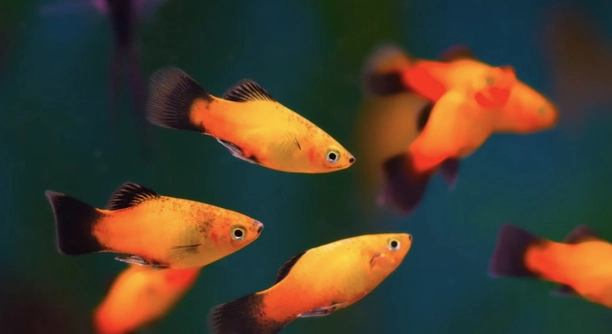
Is your platy fish frequently blowing bubbles at the water’s surface? This common behavior can seem strange to many aquarium owners. Understanding why this happens helps you care better for your pet and keep its environment healthy.
Platies blow bubbles at the surface primarily to breathe atmospheric oxygen. This behavior often indicates low oxygen levels in the water or poor water circulation. Ensuring proper aeration and maintaining clean water reduces this bubble-blowing activity.
Learning more about this behavior will help you create a comfortable and safe habitat for your platy. Small changes can improve your fish’s health and prevent future concerns.
Reasons Why Platies Blow Bubbles at the Surface
Platies blow bubbles at the surface mainly because they need extra oxygen. When the oxygen level in the water is low, they swim up and take in air from the surface. This often happens if the tank is overcrowded or the water is warm, since warmer water holds less oxygen. Poor water circulation also limits oxygen availability. Filters and aerators help keep oxygen levels stable. Sometimes, bubbles appear because the fish is building bubble nests, which is normal for breeding behavior. However, if you notice frequent gasping or lethargy along with bubble blowing, the water quality might be poor. Regular water changes and cleaning can improve your platy’s health. Monitoring temperature, tank size, and plant life also helps keep the oxygen balance right.
Maintaining proper oxygen levels is key to reducing this surface behavior. Clean water and good circulation prevent stress and keep platies comfortable.
Proper tank care benefits your platy’s breathing and overall health. Simple steps like adding an air stone or adjusting the filter can make a big difference. Plants can also help oxygenate the water naturally, but be sure they don’t overcrowd the tank. Testing water parameters regularly ensures the environment stays healthy. Remember, small changes improve your platy’s quality of life and reduce the need for surface bubble blowing.
How to Improve Oxygen Levels in Your Aquarium
Improving oxygen in your aquarium is essential for your platy’s well-being. Adding an air stone or increasing water movement boosts oxygen exchange.
Using an air stone increases surface agitation, allowing more oxygen to enter the water. Filters that create water movement also help circulate oxygen-rich water throughout the tank. Avoid overstocking your aquarium to reduce oxygen consumption. Keep the water temperature stable since warmer water holds less oxygen. Live plants can support oxygen levels but should not overwhelm the tank. Regular water changes remove waste that consumes oxygen during decomposition. Checking the tank’s oxygen levels with a test kit can guide your adjustments.
By focusing on water circulation, temperature control, and proper stocking, you create a healthier space for your platy. These efforts prevent stress and reduce surface bubble blowing, promoting better fish health.
Bubble Nesting Behavior in Platies
Bubble nesting is a natural behavior mostly seen in male platies during breeding. The bubbles form small clusters at the water surface. This helps protect eggs and keeps them oxygenated. It is a sign that your fish is healthy and ready to reproduce.
Although bubble nests may look like random bubbles, they serve an important role in reproduction. Males blow bubbles that stick together, forming a floating nest where females can deposit eggs. The nest also helps keep the eggs safe from predators and improves oxygen flow around them, which is vital for development. This behavior usually occurs in calm tanks with stable conditions. If you notice this, it indicates your platy feels secure in its environment and is engaging in natural reproductive activity.
If breeding is not your goal, bubble nesting is harmless but signals your tank conditions support spawning. It also shows your platy’s comfort and overall health. You may want to separate males and females if you want to prevent breeding.
Signs of Poor Water Quality Affecting Your Platy
Poor water quality is a common reason for surface bubble blowing in platies. High levels of ammonia, nitrites, or nitrates can stress your fish, causing them to seek oxygen at the surface. This behavior often accompanies other signs like lethargy or loss of appetite.
Testing your water regularly helps identify harmful chemicals early. Frequent water changes reduce toxins and restore balance. Avoid overfeeding to prevent waste buildup, which harms water quality. Proper filtration is essential for removing impurities and maintaining clear, healthy water. Keeping the tank clean and monitoring water parameters prevents oxygen depletion. Acting quickly can save your platy from illness or worse.
Healthy water conditions directly affect your platy’s ability to breathe and thrive. Maintaining clean water reduces stress and surface breathing. Your attention to water quality ensures a safe environment, minimizing bubble blowing caused by poor conditions.
Overcrowding and Its Impact on Oxygen Levels
Overcrowding reduces available oxygen for each fish in the tank. When too many platies or other fish share the same space, oxygen depletes quickly, causing them to surface for air. Proper stocking limits help maintain a healthy balance.
Keeping the tank at the right population size prevents oxygen shortages. Overcrowding leads to stress, poor water quality, and increased bubble blowing. It is important to research the recommended number of fish per gallon for your aquarium.
The Role of Water Temperature
Warmer water holds less dissolved oxygen, which can cause platies to blow bubbles at the surface. Maintaining a stable, appropriate temperature between 72°F and 78°F supports proper oxygen levels and fish health.
Signs Your Platy Is Stressed
Stress in platies may cause frequent surface bubble blowing. Other signs include rapid gill movement, hiding, or loss of appetite. Stress weakens their immune system and affects breathing.
Importance of Regular Maintenance
Regular cleaning and water changes keep oxygen levels stable and prevent buildup of harmful chemicals. Maintenance supports a healthy environment, reducing surface bubble behavior in platies.
FAQ
Why is my platy blowing bubbles but acting normal otherwise?
Sometimes, platies blow bubbles at the surface simply to get extra oxygen, especially if the water is warmer or slightly low in oxygen. If your fish looks healthy and active, this behavior might be normal and not a sign of illness. Ensuring good water circulation and keeping the tank clean will help reduce this habit.
Can bubble blowing be a sign of disease?
Bubble blowing alone usually is not a direct symptom of disease. However, if it is paired with gasping, lethargy, or unusual swimming patterns, it may indicate poor water quality or an illness. Testing water parameters and observing other behaviors can help identify if your platy is sick.
How often should I change my aquarium water to reduce bubble blowing?
Regular water changes every one to two weeks are recommended. Changing about 20-30% of the water keeps ammonia, nitrites, and nitrates low, improving oxygen levels. This routine supports your platy’s health and reduces stress-related surface breathing.
Is it necessary to add an air stone for my platy?
An air stone can improve oxygen exchange by creating surface agitation. While not always necessary, it is helpful in tanks with poor circulation or warmer water. It can reduce bubble blowing by increasing dissolved oxygen and making the environment more comfortable.
Can live plants help with oxygen levels?
Yes, live plants produce oxygen during photosynthesis and absorb harmful chemicals. They contribute to better water quality and can reduce surface bubble blowing. However, make sure the plants do not overcrowd the tank, which could limit swimming space and affect water flow.
What tank size is best for platies to prevent oxygen problems?
A minimum of 10 gallons per platy is ideal to provide enough oxygen and space. Overcrowded tanks lead to low oxygen and poor water quality, causing fish to blow bubbles at the surface. Proper tank size supports their natural behavior and health.
Does water temperature affect bubble blowing?
Yes, warmer water holds less oxygen. Keeping the temperature between 72°F and 78°F helps maintain healthy oxygen levels. Sudden temperature changes can stress platies, leading to more surface breathing and bubble blowing.
How can I test oxygen levels in my tank?
Oxygen test kits are available at aquarium stores and online. They measure dissolved oxygen in the water. Regular testing helps ensure your tank environment supports your platy’s breathing needs and identifies when adjustments are necessary.
Can stress cause bubble blowing?
Stress weakens a platy’s immune system and affects breathing. Factors like poor water quality, overcrowding, or sudden changes in environment cause stress. Addressing these issues helps reduce surface bubble blowing and improves overall fish health.
Is bubble blowing related to breeding behavior?
Yes, male platies blow bubbles to create nests for eggs during breeding. This is a natural and healthy behavior that shows your fish is comfortable. If breeding is not desired, consider separating males and females to avoid unwanted fry.
Final Thoughts
Platies blowing bubbles at the surface is a behavior many aquarium owners notice and wonder about. This action often points to how your fish is interacting with its environment, especially concerning oxygen levels in the water. Platies rely on both dissolved oxygen and atmospheric oxygen, so when the water’s oxygen is low, they swim to the surface to take in extra air. This behavior can be normal in some cases but also signals that the tank conditions might need attention. Keeping the water clean, well-circulated, and properly maintained is essential to ensure your platy stays healthy and comfortable.
Maintaining good water quality is one of the most important ways to reduce surface bubble blowing. Regular water changes, proper filtration, and avoiding overcrowding all help keep oxygen levels stable. Temperature control also plays a key role because warmer water holds less oxygen, which can cause your platy to breathe more frequently at the surface. Additionally, live plants can be a natural aid in maintaining oxygen but should be balanced with open swimming space. Paying attention to these details will create a healthier environment for your fish and minimize the need for bubble blowing.
Bubble blowing can also be a sign of natural behavior, such as bubble nest building during breeding periods. It shows that your platy is active and engaged in its surroundings. However, if it is combined with signs of stress, illness, or poor water conditions, it is important to take corrective steps quickly. Watching your platy’s behavior closely and maintaining regular tank care will help prevent problems before they develop. By understanding the reasons behind bubble blowing, you can make informed decisions to support your platy’s health and enjoy a thriving aquarium.

Hello,
If you enjoy the content that we create, please consider saying a "Thank You!" by leaving a tip.
Every little bit helps us continue crafting quality advice that supports the health, happiness, and well-being of pets around the world, for pets of all shapes, sizes, and species.
We really appreciate the kindness and support that you show us!