
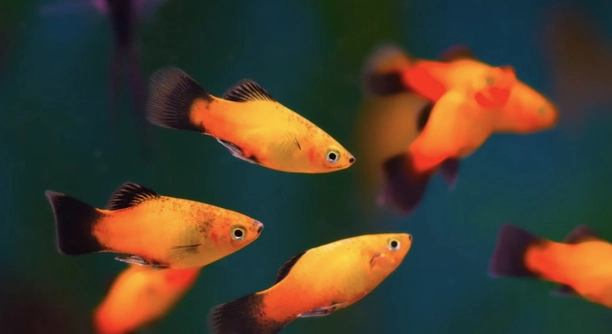
Is your platy fish showing signs of bloating and discomfort? This is a common issue among aquarium enthusiasts and can be caused by several factors. Understanding the reasons behind this can help maintain your platy’s health and wellbeing.
Platy bloating typically results from digestive problems, internal parasites, poor diet, water quality issues, or physical injuries. These causes affect the fish’s ability to regulate fluids and digestion, leading to visible swelling in the abdominal area.
Knowing these common causes allows you to identify and address the problem early. This article will explore seven typical reasons for bloating in platies and suggest ways to manage them effectively.
Overfeeding and Poor Diet
Overfeeding is one of the most common reasons for bloating in platies. These small fish have sensitive digestive systems that can easily become overwhelmed. When they eat too much or consume foods that are hard to digest, their stomachs can swell. Feeding your platy a balanced diet with high-quality flakes or pellets designed for tropical fish helps prevent this issue. Avoid giving too many treats like live or frozen foods, especially if they are rich or fatty. It’s important to feed small amounts two to three times a day, only what your fish can finish within a few minutes. Over time, maintaining a consistent feeding schedule supports good digestion and reduces the risk of bloating caused by excess food in the system.
Controlling the amount and type of food your platy eats is essential for avoiding bloating and promoting overall health.
Balanced nutrition keeps your platy’s digestive system working properly. Foods rich in fiber can help prevent constipation, a common cause of bloating. Avoid sudden changes in diet, which may upset digestion. Offering a variety of foods like vegetables (blanched peas or spinach) along with flakes provides necessary nutrients and helps keep digestion smooth. Observing how your platy responds to different foods will guide better feeding habits. Regularly cleaning the tank and removing uneaten food also prevents water contamination, which can indirectly affect your fish’s digestion and health. These small steps make a big difference in reducing bloating and keeping your platy comfortable and active.
Water Quality and Environment
Poor water quality stresses fish and can lead to bloating due to internal infections or organ failure. High ammonia, nitrite, or nitrate levels in the tank create toxic conditions that disrupt normal body functions. Regular water testing and timely water changes are essential to maintain a healthy environment. The right temperature and pH levels also support your platy’s wellbeing. Sudden changes in water conditions can cause stress and digestive problems, increasing the risk of bloating.
Keeping the tank clean and stable reduces stress and prevents many health issues.
Consistent water quality management is critical for your platy’s health. Testing water weekly ensures ammonia, nitrites, and nitrates stay at safe levels. A partial water change of about 20-30% every week removes waste and toxins, helping maintain clarity and oxygen levels. Using a reliable filter and avoiding overcrowding also improves water conditions. Temperature should be kept between 72°F and 78°F (22°C-26°C), and the pH level should be around 6.8 to 8.0. Stabilizing these factors prevents sudden stress, which can weaken immune responses and cause bloating. Regular tank maintenance not only helps prevent bloating but also promotes a lively and thriving aquarium environment for your platy.
Constipation in Platies
Constipation is a frequent cause of bloating in platy fish. It often results from a low-fiber diet or lack of proper nutrition. This condition slows digestion and causes swelling in the belly area.
Providing fiber-rich foods, like blanched peas, helps ease constipation. These foods work as natural laxatives, improving digestion and preventing blockages. Also, fasting your platy for a day once a week can help clear their digestive system. Overfeeding can worsen constipation, so controlling portion sizes is important. Regularly observe your fish for signs of irregular swimming or loss of appetite, which may indicate digestive trouble. With proper care and diet, constipation-related bloating can often be avoided.
In some cases, constipation may lead to more serious health issues like swim bladder problems, which affect swimming ability. Acting quickly with diet adjustments and clean tank conditions supports your platy’s recovery.
Internal Parasites
Internal parasites can cause swelling and discomfort in platies. These tiny organisms disrupt digestion and nutrient absorption, leading to bloating and weight loss. Symptoms may include lethargy, reduced appetite, and abnormal swimming.
Treating internal parasites requires medication specific to the parasite type. Quarantining affected fish prevents spreading. Maintaining good tank hygiene lowers parasite risk. Avoid introducing new fish or plants without proper quarantine to reduce infections. Regular observation helps catch infections early, ensuring prompt treatment.
Swim Bladder Disorder
Swim bladder disorder often causes bloating and affects a platy’s ability to swim properly. This condition can result from constipation, injury, or infection.
Fish with swim bladder issues may float unevenly or struggle to stay upright. Adjusting diet and improving tank conditions can help manage this problem.
Bacterial Infections
Bacterial infections can cause swelling and bloating in platies. Poor water quality or injuries often lead to these infections. Signs include redness, ulcers, or lethargy. Immediate treatment with appropriate antibiotics is necessary to prevent worsening. Keeping the tank clean reduces infection risks.
Physical Injury
Physical injury to a platy can cause internal swelling or bloating. Injuries may happen from rough handling, tank decorations, or aggressive tank mates. Monitoring behavior and appearance helps detect injuries early. Prompt care and a safe environment support healing and reduce bloating risk.
FAQ
What causes my platy to become bloated suddenly?
Sudden bloating in platies often comes from digestive issues like constipation or overfeeding. It can also result from infections, parasites, or a sudden change in water quality. Keeping a consistent feeding routine and monitoring water parameters can help avoid unexpected swelling.
How can I tell if my platy is bloated or just naturally round?
A bloated platy will have a noticeably swollen belly that looks tight or stretched. Unlike its usual shape, the abdomen may appear hard or shiny. Behavior changes like difficulty swimming or loss of appetite often accompany bloating.
Can overfeeding cause bloating in platies?
Yes, overfeeding is a common cause of bloating. Feeding too much or too often leads to leftover food that disrupts digestion and causes swelling. Feed only what your platy can finish within a few minutes, two or three times daily.
What foods help prevent bloating in platies?
High-fiber foods like blanched peas, spinach, or specialized fish flakes improve digestion and reduce constipation. Avoid fatty or rich foods that are hard to digest. A balanced diet with variety supports your platy’s digestive health.
How does water quality affect my platy’s bloating?
Poor water quality stresses platies and can lead to infections that cause swelling. High ammonia or nitrite levels damage internal organs. Regular water changes and monitoring keep water safe and reduce the chance of bloating.
Are parasites a common cause of platy bloating?
Yes, internal parasites disrupt digestion and nutrient absorption, leading to bloating. Watch for lethargy, appetite loss, or unusual swimming. Quarantining new fish and maintaining tank hygiene help prevent parasite infections.
What treatments are available for a bloated platy?
Treatment depends on the cause. For constipation, fasting and fiber-rich foods help. Infections or parasites require medication. Improving water quality and reducing stress support recovery. Consult a vet or aquatic specialist for persistent cases.
Can swim bladder disorder cause bloating?
Swim bladder issues often appear with bloating because the digestive or internal organs affect the swim bladder. This disorder causes swimming problems, such as floating unevenly or difficulty staying upright. Addressing constipation or infections can improve the condition.
How can I prevent bloating in my platy?
Feed a balanced diet with proper portions, maintain clean water, avoid overcrowding, and watch for signs of illness. Regular observation and tank maintenance prevent many causes of bloating.
Is it normal for platies to sometimes have a slightly swollen belly?
Platies can appear fuller after eating, but a consistent, hard swelling is abnormal. Mild belly fullness after feeding usually disappears quickly and does not affect behavior. Persistent swelling requires attention.
Final Thoughts
Bloating in platies is a common problem that many fish owners face. It usually points to an underlying issue like diet, water quality, or health problems. Paying close attention to what your platy eats and how much, along with maintaining clean and stable water conditions, goes a long way in preventing bloating. Consistency in care is key. Small changes can have big effects on your fish’s health, so it’s important to monitor your platy regularly and act early when you notice swelling or other unusual signs.
Understanding the causes of bloating helps you take the right steps to keep your platy comfortable and healthy. Overfeeding and poor diet are common triggers, but other factors like constipation, internal parasites, or swim bladder disorders also play a role. Regular feeding with high-quality, balanced foods and occasional fasting days can improve digestion and reduce swelling. Cleaning the tank often and checking water parameters keeps your fish’s environment safe. These practices help prevent stress and illness, which can lead to bloating.
If your platy shows signs of bloating, it’s important to observe closely and adjust care as needed. Sometimes diet changes or improving water quality will solve the problem quickly. In cases of infection or parasites, appropriate treatment is necessary. Remember that early detection and care increase the chances of recovery. Taking a steady, thoughtful approach to your platy’s health will support its wellbeing over time and reduce the chances of bloating returning.

Hello,
If you enjoy the content that we create, please consider saying a "Thank You!" by leaving a tip.
Every little bit helps us continue crafting quality advice that supports the health, happiness, and well-being of pets around the world, for pets of all shapes, sizes, and species.
We really appreciate the kindness and support that you show us!