
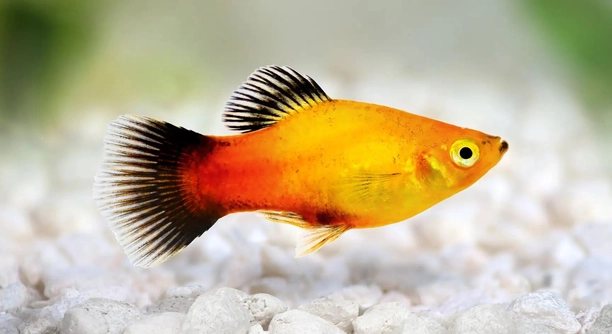
Is your platy acting distant while the rest of the group swims together, leaving you unsure of what might be wrong?
The most common reason a platy separates from its group is stress caused by illness, poor water quality, or incompatible tank mates. Changes in behavior often signal discomfort or health issues that require prompt attention and care.
Understanding the root cause can help you create a safe and supportive environment that encourages your platy to rejoin the group naturally.
Possible Reasons Your Platy Is Isolating Itself
Platies are generally social fish, so when one begins to isolate itself, it’s often a sign that something isn’t right. Illness is one of the most common causes. A sick platy may hide or separate to conserve energy or avoid being picked on by other fish. Poor water conditions can also lead to stress, making the platy feel uncomfortable or unsafe. In some cases, aggression from tank mates or overcrowding can cause social withdrawal. Changes in tank environment, like recent additions or shifts in temperature, might also play a role. It’s important to observe the fish’s behavior and physical appearance closely. Look for signs like faded color, frayed fins, or loss of appetite. Identifying the source of stress early gives you a better chance of correcting the issue quickly and helping your platy return to normal behavior.
Separation can also occur temporarily after a platy is introduced to a new tank or environment.
Keep a close eye on the group’s interaction, and make note of anything unusual. Even small changes in swimming patterns or feeding behavior may provide clues. Being consistent with monitoring can help prevent minor issues from developing into larger health or behavior problems.
How to Help Your Platy Rejoin the Group
Start by checking the water parameters to ensure the tank environment is healthy. Poor water quality often leads to stress and isolation.
Once water conditions are confirmed, focus on the tank dynamics. Platies do best in peaceful communities, so check for signs of bullying or aggression. Sometimes, even a single aggressive fish can cause others to withdraw. Rearranging tank decorations can help reduce territorial behavior by giving the fish new spaces to explore. Keep the tank clean and stable, and avoid sudden changes in lighting or temperature. If illness is suspected, isolate the affected fish and consider consulting a specialist or using medication specifically suited for the symptoms. Consistency is key—maintain regular feeding, water changes, and gentle observation. Encouraging a calm, balanced environment can make your platy feel secure enough to rejoin the group.
Observing Behavioral Changes Closely
Carefully watching your platy’s behavior can help you catch problems early. Notice how often it eats, where it swims, and how it reacts to the others. Small shifts can signal stress, illness, or something off in the tank environment.
If your platy is hiding more often, swimming near the surface, or staying at the bottom, these could all be signs of discomfort. Flashing—when a fish rubs its body against objects—might point to parasites or skin irritation. A loss of interest in food, sluggish movements, or unusual breathing patterns can also hint at illness. Take note of any differences in how it interacts with other fish. A normally social platy that suddenly stays apart may be reacting to something specific. Document what you see and check daily. Keeping a simple log can help you detect patterns or worsening symptoms, which makes treatment easier if needed.
Behavioral changes are often the first sign that something is wrong, even before physical symptoms show up. These early signs should be taken seriously, especially if they persist for more than a day or two. Observing at different times throughout the day can help you get a clearer view of your platy’s normal routine. Trust your instincts if something feels off. Subtle behavior shifts often point to bigger issues brewing. Prompt action and consistent monitoring are the most helpful tools for keeping your fish healthy and balanced within the group. A little attention each day makes a big difference.
When to Separate the Fish
If your platy shows signs of illness or is being bullied, moving it to a separate tank may help it recover. Isolation can reduce stress, prevent disease from spreading, and give the fish space to heal safely without added pressure.
Use a quarantine tank that matches the main tank’s conditions. Keep water parameters stable, and monitor the fish daily. Watch for any improvement or signs of worsening. After the fish looks healthy and acts normally again, you can slowly reintroduce it to the main tank under careful observation.
Preventing Future Isolation
A stable tank setup plays a big role in preventing future behavior issues. Keep the tank clean, avoid sudden changes in temperature or lighting, and test the water regularly. Choose peaceful tank mates and avoid overcrowding. Adding plants and hiding spots helps reduce stress and gives fish space when needed. Feed a balanced diet and stay consistent with routine care. Observe your platies often so you can respond quickly to small changes before they grow into larger problems. With a calm and stable environment, your platy is more likely to stay active, comfortable, and socially connected within the group.
Final Thoughts
A calm environment and regular care help your platy feel safe and supported. Small changes in routine can make a lasting difference.
FAQ
Why is my platy hiding all of a sudden?
Sudden hiding is often a response to stress. This could be due to changes in water temperature, poor water quality, or sudden movement in the tank. It can also happen after adding new fish, rearranging tank decorations, or shifting lighting routines. Hiding may also signal illness or injury, especially if the platy is less active or avoiding food. Observe its behavior closely and test water parameters. Address anything unusual right away. If nothing changes after a few days, isolate the fish in a separate tank to rule out illness or aggression from others.
Can one aggressive fish cause a platy to isolate itself?
Yes, a single aggressive fish can disrupt group behavior and make others retreat or isolate themselves. Platies are peaceful and don’t handle aggression well. If another fish is nipping, chasing, or constantly hovering near your platy, the stress can cause it to withdraw. Watch for signs like frayed fins, rapid swimming away, or hiding behind plants or decorations. Consider removing the aggressive fish or rearranging the tank to break territorial habits. Sometimes, simply giving each fish more space can help reduce this type of stress.
Is it normal for new platies to stay away from the group at first?
Yes, new platies may take time to adjust to a new tank environment. They may stay hidden or swim apart from others until they feel safe. This behavior usually lasts a few days but may take longer if the tank is busy or noisy. Keep the lights low, provide hiding spaces, and avoid overcrowding. Make sure the water conditions match what the fish is used to. As your platy becomes more familiar with its surroundings, it should slowly start joining the group and behaving more normally.
Should I be concerned if my platy isn’t eating?
Loss of appetite is a clear sign that something is wrong. It may be linked to stress, illness, or poor water quality. A platy that doesn’t eat for more than two days needs close monitoring. Check for physical signs of illness such as swelling, white spots, or labored breathing. Offer a variety of high-quality foods to encourage eating, and make sure the food isn’t sinking too quickly or being stolen by other fish. If appetite doesn’t return soon, isolate the fish and consult an aquatic specialist if needed.
Can water temperature changes cause isolation?
Yes, platies are sensitive to temperature changes. A drop or spike in temperature can cause them to slow down, hide, or avoid the group. They prefer water between 72–78°F. A tank that’s too cold can make them lethargic, while one that’s too warm can cause stress. Always use a reliable heater and thermometer, and avoid placing the tank near windows, vents, or heat sources. Sudden shifts—even just a few degrees—can lead to visible behavior changes, including isolation.
How long does it take for a platy to recover from stress?
Recovery depends on the cause and how quickly it’s addressed. Minor stress from environmental changes may only take a day or two. However, if the platy is recovering from illness, bullying, or severe water quality issues, it could take a week or more. During this time, limit disturbances, keep water clean, and observe closely. Make small adjustments slowly and offer gentle care. Don’t rush reintroduction if the fish has been in isolation. Give it time to regain energy and confidence before placing it back with the group.
Do platies get lonely if they’re alone?
Platies are social fish and do better in small groups. While one platy may survive alone, it’s not ideal for their well-being. When kept with others, they show more natural behavior, are more active, and generally feel safer. A platy kept on its own may appear shy, stressed, or inactive over time. Aim to keep at least three to four platies together, making sure the tank has enough space to support them all comfortably.
What should I look for before returning an isolated platy to the main tank?
Before returning an isolated platy, make sure it is eating regularly, swimming normally, and showing no visible signs of illness. Watch its behavior in the separate tank—does it react to food and swim freely? Check that its color has returned to normal and there are no frayed fins or patches on the body. Also, monitor the main tank for signs of aggression or stress among the other fish. If everything seems balanced, reintroduce the platy gradually. Do so during a calm time, preferably with dim lighting and after a feeding session.
Can tank size affect group behavior in platies?
Yes, tank size plays a big role in group behavior. A small tank can lead to overcrowding, which causes stress and may lead some fish to separate themselves. In tight spaces, aggression and territorial behavior increase. Platies need room to swim freely and form their social structure. A minimum of 10 gallons is recommended for a small group, but a larger tank is always better. Providing space, plants, and hiding spots helps prevent social issues and encourages group harmony.
How often should I check for signs of stress in my platy?
Make observation part of your daily routine. Just a few minutes a day can help you catch changes early. Look for changes in swimming, eating, color, or interaction with other fish. Even subtle shifts can be the first sign of a problem. Regular checks also help you understand each fish’s normal behavior, making it easier to spot when something is off. Early detection is key in preventing more serious issues, and consistent monitoring helps keep the tank environment stable and peaceful.
Final Thoughts
When a platy avoids the rest of the group, it’s usually a sign that something in the tank environment or social balance is off. It could be illness, bullying, or stress caused by poor water quality or sudden changes. Even small shifts in temperature, tank layout, or light can affect your platy’s behavior. That’s why it’s important to observe your fish every day. Getting used to how your platy normally acts will help you notice when something doesn’t seem right. It’s often the quiet changes that say the most. Watching for them early helps prevent more serious problems down the line.
Platies are peaceful and social fish. They do well when they feel safe, have clean water, and share space with compatible tank mates. But when one starts hiding or staying away from the group, it’s not something to ignore. Simple actions like checking water levels, offering hiding spots, or giving them time alone can make a difference. If needed, a separate tank can be used to help a stressed or sick fish recover without being bothered by others. Taking small, calm steps can help your fish return to normal faster. It’s not always a big issue, but it’s always worth checking.
Caring for fish is about more than feeding and cleaning. It means paying attention to their behavior and reacting early when something seems off. Your attention and effort help create a balanced tank where your platy can feel secure and thrive. Every fish has its own habits and comfort level, so it’s helpful to be patient and observant. Sometimes a fish just needs time to adjust or space to recover. What matters most is that your tank stays steady, safe, and calm. That’s when your platies are happiest—and when you’ll enjoy watching them the most.

Hello,
If you enjoy the content that we create, please consider saying a "Thank You!" by leaving a tip.
Every little bit helps us continue crafting quality advice that supports the health, happiness, and well-being of pets around the world, for pets of all shapes, sizes, and species.
We really appreciate the kindness and support that you show us!