
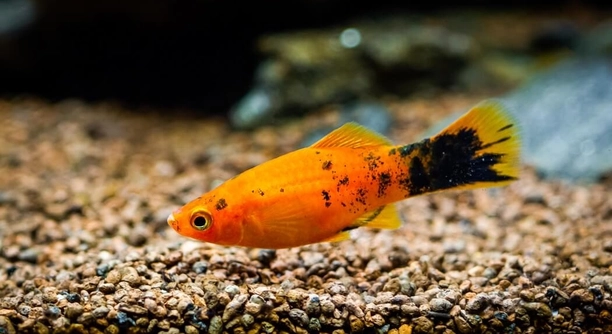
Have you ever noticed your platy keeping away from its fry? This behavior can seem strange, especially when you expect them to interact peacefully. Understanding why this happens can help you care better for your fish.
Platies often avoid their fry due to natural instinct, stress, or environmental factors. Adult platies may see fry as competition or potential threats, leading to separation. Ensuring proper tank conditions reduces stress and encourages healthier interactions.
Recognizing these reasons can improve your aquarium’s harmony and promote the well-being of both adult fish and their fry.
Natural Instinct and Behavior
Adult platies have natural instincts that influence how they behave around their fry. In the wild, many fish avoid their young to reduce stress and protect themselves from threats. Sometimes, adult platies may see their fry as competition for food or space. This leads them to keep their distance rather than interact. Stress from overcrowding or poor tank conditions can also make adult fish less tolerant. If the tank is too small or lacks hiding spots, the adult platy may feel threatened and avoid the fry. Providing a calm environment with plenty of plants or decorations helps reduce this stress. Observing your fish’s behavior closely allows you to notice when they are comfortable or uneasy. Adjusting the tank setup or separating the fry can improve their chances of survival and lower tension within the aquarium.
Keeping the tank clean and well-maintained helps maintain a peaceful environment, encouraging adult platies to be less wary of their young.
Creating a balanced space where both adults and fry feel safe takes effort but is essential for a healthy community tank. Making sure food is plentiful and accessible helps prevent competition. Planting live or artificial plants gives fry places to hide and reduces fear. Some aquarists choose to separate fry temporarily to protect them during their most vulnerable stages. Monitoring water parameters like temperature, pH, and ammonia levels also reduces stress for all fish. When adults and fry can coexist peacefully, it benefits their growth and well-being. Patience and attention to details in tank care make a big difference in fostering better relationships between your platies.
Environmental Factors Affecting Interaction
Changes in water quality or tank setup can cause adult platies to avoid fry.
Poor water conditions cause stress, which changes fish behavior drastically. If ammonia or nitrite levels rise, adult platies might become aggressive or distant. Sudden changes in temperature or pH can also disrupt social dynamics. Adult fish may isolate themselves or swim away from fry if the environment feels unsafe. Overcrowding is another factor; when there are too many fish in a small tank, stress increases, and space becomes limited. Lack of hiding places for fry makes them more visible and vulnerable, pushing adults away. Regular water tests and tank maintenance reduce these risks. Adjusting decorations and adding plants provides shelter, making the tank less stressful. A stable and clean environment is key to promoting natural interactions between adults and fry. It allows the fish to behave normally and supports their health over time.
Feeding Habits and Their Impact
Adult platies may avoid fry during feeding times to reduce competition for food. This behavior helps adults focus on their own nutritional needs.
Fry need small, frequent meals to grow properly. If food is scarce or large, adults might dominate feeding spots, pushing fry away. Offering finely crushed flakes or specialized fry food ensures everyone gets enough. Feeding in multiple spots reduces competition and stress. Adults feeling hungry can become aggressive toward fry, so keeping a balanced feeding routine is important. Observing how your fish eat helps identify any problems early. Adjusting food quantity and type can improve harmony and support healthy growth for all fish in the tank.
Sometimes, adults avoid fry simply because they are not interested in sharing food space. Providing ample, suitable food reduces this tension, promoting peaceful coexistence during meals.
Stress and Health Conditions
Stress affects how adult platies behave around their fry. Sick or weak fish often isolate themselves to recover. Stress from poor water quality, overcrowding, or disease can make adults avoid fry to conserve energy or avoid further conflict. Watching for signs of illness, such as lethargy or unusual swimming, is essential. Keeping the tank clean and maintaining stable water parameters helps reduce stress. Quarantining sick fish and providing proper nutrition supports their recovery. When adults are healthy and calm, they are more likely to tolerate the presence of fry. Managing stress ensures a better environment for all tank inhabitants.
Stress may cause adults to act unpredictably, increasing the distance from their young. Taking care of water quality and fish health improves social behavior. Keeping a routine cleaning schedule and observing fish daily helps catch issues early. Preventing overcrowding also lowers stress levels. Healthy adults are less aggressive and more likely to coexist peacefully with fry, creating a balanced and thriving aquarium.
Territorial Behavior
Adult platies may avoid fry because they are protecting their space. Territorial instincts can cause adults to keep fry at a distance.
This behavior helps reduce conflict and protects both adults and fry from injury. Providing enough space helps minimize territorial disputes.
Tank Size and Space
A small or overcrowded tank often causes adults to avoid fry. Limited space increases stress and competition, making peaceful interaction difficult. Adults need enough room to establish their territory without feeling threatened. Fry require hiding spots to feel safe. Adding plants or decorations creates natural boundaries and shelter. Increasing tank size when possible reduces tension and allows all fish to coexist more comfortably. A well-planned tank setup promotes healthier social behavior and reduces stress for both adults and fry.
Fry Safety Measures
Separating fry temporarily can protect them from accidental harm by adults. This practice helps fry grow stronger before rejoining the main tank.
FAQ
Why does my adult platy ignore the fry completely?
Adult platies may ignore fry because they see them as less important or potential competition. It’s a natural behavior to focus on their own needs and survival. Sometimes, adults keep their distance to avoid stress or conflicts. Ensuring good tank conditions and enough food can help adults tolerate fry better.
Can adult platies harm their fry?
Yes, adult platies sometimes nip or chase fry, especially if stressed or hungry. This is not always intentional aggression but rather natural behavior to reduce competition. Providing hiding spaces for fry and feeding adults well lowers the risk of harm.
Should I separate the fry from adult platies?
Separating fry is often a good idea to protect them during their vulnerable early days. It reduces stress and risk of injury. Once fry grow stronger, they can be gradually introduced back to the main tank with adults.
How often should I feed fry and adults?
Fry need small, frequent meals, ideally 3-4 times a day, using finely crushed flakes or specialized fry food. Adults usually eat once or twice a day. Feeding adults too much at once can lead to aggression toward fry during meal times.
What tank size is best for platies with fry?
A tank of at least 20 gallons is recommended to provide enough space for adults and fry to coexist peacefully. Overcrowding causes stress and territorial behavior. Adding plants or decorations also helps create hiding spots and reduce tension.
How do water conditions affect platy behavior?
Poor water quality causes stress, making adults avoid fry or act aggressively. Maintaining stable temperature, pH, and low ammonia levels supports calm and healthy behavior. Regular water changes and monitoring are essential.
Why do platies sometimes act more aggressive than usual?
Aggression may increase during breeding, when food is scarce, or if the tank is overcrowded. Stress or illness can also change behavior. Keeping a clean tank, feeding enough food, and providing space helps reduce aggression.
Can fry survive without hiding places?
Fry are more vulnerable without places to hide. Lack of shelter makes them easy targets for adults or other tank mates. Plants, rocks, and decorations provide safe spots and increase fry survival rates.
Is it normal for adult platies to swim away from fry?
Yes, it’s normal for adults to avoid fry, especially if they feel threatened or stressed. It’s a protective and natural response that helps reduce conflict. Making the environment comfortable for all fish encourages better interaction.
How can I improve the relationship between adult platies and fry?
Feeding adequately, keeping water clean, providing enough space, and adding hiding spots all help adults accept fry. Patience is important as social behavior develops over time. Monitoring and adjusting the tank setup ensures a balanced community.
Adult platies avoiding their fry is a common behavior influenced by many factors. It often comes down to natural instincts, environmental conditions, and the fish’s health. While it might seem concerning at first, this behavior is usually not a sign of serious problems. Platies may keep their distance to reduce stress or protect themselves. Understanding these reasons helps in creating a better living space for both adults and fry. With proper care and attention, it’s possible to see a peaceful community in your aquarium.
Creating the right environment is key to reducing avoidance. A spacious tank with plenty of hiding spots makes a big difference. Fry need safe places to retreat, and adults need enough space to feel comfortable. Feeding routines also play an important role. Making sure all fish get enough food prevents competition and aggression during meals. Water quality affects how fish behave too. Regular cleaning and monitoring water parameters keep stress low and health high. When all these factors are managed well, adult platies are more likely to tolerate and even interact calmly with their fry.
Patience and observation are important when caring for platies and their fry. Behavior changes slowly as fish adjust to their environment. Sometimes adults will avoid fry for a while but become less distant over time. Watching your fish closely helps you notice when adjustments are needed. Small changes in tank setup, feeding, or water care can improve the overall atmosphere. Taking these steps supports the well-being of your platies and helps your aquarium thrive. With time, you can create a balanced space where both adults and fry live comfortably.

Hello,
If you enjoy the content that we create, please consider saying a "Thank You!" by leaving a tip.
Every little bit helps us continue crafting quality advice that supports the health, happiness, and well-being of pets around the world, for pets of all shapes, sizes, and species.
We really appreciate the kindness and support that you show us!