
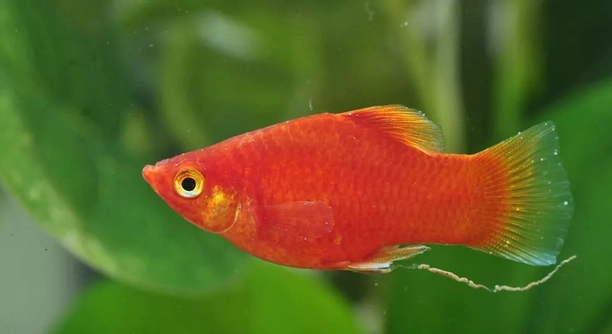
Is your platy fish often hiding near plants or decorations instead of swimming in open spaces? Many platy owners notice this behavior and wonder what it means. Understanding why your platy avoids open areas can help improve its comfort in the tank.
Platies naturally seek shelter in covered or planted areas to feel safe from predators and stress. Avoidance of open spaces is a survival instinct rooted in their need for security and protection within their environment.
Learning more about your platy’s behavior can help create a better home for it and reduce its stress. These small changes can make a big difference in your fish’s well-being.
Understanding Platies’ Natural Instincts
Platies come from slow-moving rivers and ponds where hiding spots are essential for survival. In the wild, open spaces expose them to predators, so they naturally avoid these areas to stay safe. This instinct remains strong even in home aquariums. If your tank lacks enough plants or decorations, your platy may feel exposed and stressed. Providing plenty of hiding places helps them feel secure and encourages more natural behavior. When they have safe spots to retreat to, they are more likely to explore open areas without fear. Stress from feeling vulnerable can affect their health and activity levels, so a well-planted tank is important. Even the smallest plant or decoration can make a big difference in your platy’s comfort and confidence.
Offering an environment that respects their instincts leads to a calmer, healthier fish.
Adding more plants or structures can reduce anxiety and increase your platy’s activity and happiness.
Tank Setup and Environment
A crowded or bare tank affects where your platy swims.
Tank size and layout play important roles in how comfortable your platy feels. A small or sparsely decorated tank leaves your fish exposed, increasing stress and hiding behavior. Platies prefer moderate-sized tanks with plenty of live plants, rocks, and caves to provide shelter. Using tall plants along the edges and open swimming space in the middle can help your platy feel safe while allowing freedom to explore. Proper lighting also affects behavior; too bright lighting can make your platy retreat to shaded areas. Regular water changes and maintaining good water quality reduce stress, encouraging your platy to swim more openly. A well-maintained environment promotes natural behavior and supports your platy’s overall health. Adjusting tank conditions can lead to noticeable improvements in how your fish uses its space.
Stress and Fear Factors
Stress makes platies avoid open spaces quickly. Loud noises, sudden movements, or aggressive tank mates can trigger fear and cause your fish to hide more.
Stress lowers a platy’s immune system and affects its behavior. If your fish feels threatened, it will seek shelter more often to protect itself. Aggressive or overly active tank mates can push your platy to stay hidden. Even changes in lighting or water conditions may cause stress. It’s important to observe your tank carefully to identify what might be stressing your fish. Minimizing disturbances and providing a peaceful environment can reduce fear and encourage your platy to swim more openly.
Removing or separating aggressive fish and maintaining consistent water quality are key steps. Watching your platy’s behavior closely helps catch stress issues early, keeping your fish healthier and more comfortable.
Feeding and Exploration Habits
Platies often stay close to plants or decorations during feeding times.
They feel safer exploring when food is available nearby, so open spaces may be avoided unless they are hungry or curious. Feeding in different spots encourages them to explore more freely. Also, offering a varied diet improves their energy levels, making them more confident swimmers. Regular feeding schedules help your platy feel secure, reducing the urge to hide. Observing their feeding patterns provides insight into how comfortable they are in their environment.
Encouraging natural foraging behaviors by scattering food or using floating feeders can stimulate activity and reduce hiding. This simple change supports your platy’s health and happiness while helping it feel more at ease in open water.
Lighting and Visibility
Bright lighting can make platies feel exposed and vulnerable.
Dimmer or filtered light helps them feel safer and more willing to swim in open areas.
Health Issues Affecting Behavior
Illness or injury often causes platies to hide more than usual. When a fish is not feeling well, it seeks quiet, sheltered spots to recover. Poor water quality can also weaken their immune system, making them less active. Watch for signs like faded colors, clamped fins, or unusual swimming patterns. Regular water testing and maintaining clean conditions are essential. If your platy continues to avoid open spaces and shows symptoms, consider consulting a vet or experienced aquarist for advice. Early detection of health problems can improve recovery and help your fish return to normal behavior.
Social Dynamics in the Tank
Platies prefer peaceful company and can be stressed by aggressive fish.
FAQ
Why does my platy hide all the time?
Platies hide frequently when they feel unsafe or stressed. This can be due to poor tank setup, aggressive tank mates, or sudden changes in their environment. Lack of hiding spots or overcrowding also makes them retreat more often. Ensuring plenty of plants and decorations helps them feel secure and reduces hiding.
Can poor water quality cause my platy to avoid open spaces?
Yes. Poor water quality stresses platies, leading to hiding behavior. Ammonia, nitrite, or nitrate spikes, incorrect pH, or temperature fluctuations make fish uncomfortable. Regular water tests and consistent maintenance keep water parameters stable, encouraging your platy to swim confidently in open areas.
Is my platy scared of other fish in the tank?
Platies are peaceful but can be intimidated by more aggressive or larger tank mates. If they constantly hide, check your fish community. Removing or separating aggressive fish allows platies to feel safer and more relaxed.
How can I encourage my platy to explore open areas?
Add plants and decorations to create safe zones near open spaces. Gradually reduce bright lighting and avoid sudden movements around the tank. Feeding your platy in different spots helps build confidence to explore more freely.
Does tank size affect platy behavior?
Absolutely. Small tanks restrict swimming space and increase stress. A minimum of 10 gallons per platy is recommended. Larger tanks with ample hiding spots and open swimming areas promote natural behavior and reduce hiding.
Can lighting changes improve my platy’s comfort?
Yes. Bright or direct lighting can make platies feel exposed. Use dimmable or filtered lighting to mimic their natural environment. This adjustment encourages more active swimming and reduces hiding.
Could my platy be sick if it avoids open spaces?
Hiding can indicate illness. Look for symptoms like clamped fins, lethargy, or color changes. If you notice these signs, test water parameters and consider treatment. Early care helps recovery and returns normal behavior.
Does feeding affect where my platy swims?
Platies tend to stay near safe spots during feeding. Scattering food or using floating feeders can encourage them to move into open areas. A varied diet improves health and confidence.
Will adding more plants help my platy?
Yes. Plants provide shelter and reduce stress by offering hiding places. They also improve water quality by absorbing nitrates. A planted tank creates a balanced environment where platies feel secure and can explore comfortably.
How long does it take for a platy to get used to a new tank?
Adjustment varies but usually takes a few days to two weeks. During this time, platies may hide more. Consistent environment, gentle lighting, and minimal disturbances help them settle faster.
Is it normal for platies to be shy?
Platies are naturally curious but cautious. Some may be shy depending on personality and environment. Providing a peaceful tank and proper care encourages them to be more active.
What tank mates work well with platies?
Peaceful species like guppies, mollies, or Corydoras catfish are good companions. Avoid aggressive or territorial fish to keep stress low. A calm community promotes healthy and confident platies.
Can water temperature influence hiding behavior?
Yes. Platies prefer 70–78°F (21–26°C). Temperatures outside this range cause discomfort and stress, leading to hiding. Use a reliable heater and thermometer to maintain stable temperature.
How do I know if my platy is stressed?
Signs include excessive hiding, loss of appetite, faded colors, and erratic swimming. Stress results from poor water quality, bullying, or unsuitable environment. Identifying stress early helps prevent illness.
Should I rearrange decorations to reduce hiding?
Rearranging can help if current setup feels too exposed or crowded. Create more natural hiding spots near open areas. Changing layout occasionally keeps your platy curious and encourages exploration.
Can platies get used to bright lights?
They can adapt gradually, but sudden bright lighting causes fear. Introduce light slowly and provide shaded areas. This approach reduces stress and promotes comfort in the tank.
Is breeding behavior linked to hiding?
During breeding, platies may hide more to protect themselves or fry. Providing dense plants and caves supports this natural behavior and reduces stress for both parents and young fish.
When your platy avoids open spaces, it usually means the fish is trying to feel safe. Platies are small and vulnerable by nature, so they look for places where they can hide and relax. This behavior is normal and helps them avoid stress and danger. Making sure your tank has enough plants, decorations, and hiding spots is very important. These provide comfort and allow your platy to feel more secure. When the fish feels safe, it will be more active and explore the tank more freely.
Stress is a big reason why platies hide. Loud noises, sudden movements, or aggressive tank mates can all cause stress and make your platy stay in covered areas. Keeping a calm environment helps reduce stress. Maintaining good water quality is also key. Dirty or unbalanced water can weaken your platy’s health and make it hide more often. Regular cleaning, testing water parameters, and feeding a healthy diet keep your platy feeling its best. When a platy is healthy and comfortable, it will spend more time swimming openly and showing natural behavior.
Every platy is a little different. Some may be shy while others are more outgoing. Observing your fish regularly helps you understand what it needs. Small changes to the tank setup, lighting, or tank mates can make a big difference. Patience is important too, as platies take time to adjust to new environments or changes. Giving your platy a calm, safe space will help it thrive. When your platy feels secure, you will enjoy watching its natural, lively behavior more often. Taking care of these details helps your fish live a happy and healthy life.

Hello,
If you enjoy the content that we create, please consider saying a "Thank You!" by leaving a tip.
Every little bit helps us continue crafting quality advice that supports the health, happiness, and well-being of pets around the world, for pets of all shapes, sizes, and species.
We really appreciate the kindness and support that you show us!