
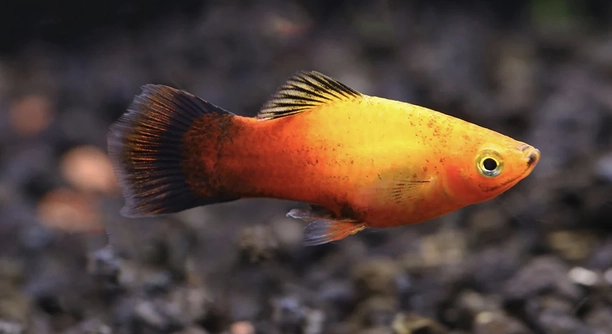
Platies are popular freshwater fish known for their bright colors and peaceful nature. Many people enjoy keeping them in home aquariums, especially when they start breeding. Watching the adult platy interact with their tiny fry can be fascinating.
Platies may avoid their fry due to natural protective instincts or stress. Adult platies sometimes perceive their young as competition or potential food, leading them to keep distance or hide. Environmental factors and tank conditions also influence this behavior.
Understanding why platies act this way helps improve care for both adults and fry. Learning more can create a safer environment for your fish family.
Why Adult Platies Avoid Their Fry
Adult platies often avoid their fry because of instinct and survival needs. In the wild, many fish see their young as competition for food or even potential prey. This instinct helps ensure the adults get enough nutrition to stay healthy. Stress from overcrowding, poor water quality, or sudden changes in the tank can also make adult platies more likely to hide from or avoid their fry. When adults feel threatened or uncomfortable, they naturally keep their distance. It is important to maintain stable tank conditions and provide plenty of hiding spots for both adults and fry. Giving the fry a safe space reduces the chances of conflict and helps the young fish grow without stress. Observing how the adults behave can help you decide when it might be best to separate the fry for their safety.
In short, adult platies avoid their fry mainly due to survival instincts and environmental stress.
Creating a calm, spacious tank with plenty of plants and hiding areas helps reduce tension and supports peaceful cohabitation between adult platies and their fry.
How to Encourage Adult Platies to Accept Their Fry
Separation is often the best method to protect fry from adult platies. A breeding box or a separate nursery tank keeps the young safe until they are big enough to join the main tank. Regular feeding of adults with high-quality food also helps reduce their interest in fry as food. Keeping water conditions clean and stable supports healthier fish and lowers stress. Using live plants or decorations creates hiding places that protect fry and give adults space to avoid conflict. Patience is key, as some platies may never fully accept their fry, but with careful management, you can improve survival rates. Observing fish behavior helps decide when and how to intervene. Safe rearing of fry leads to healthier, stronger fish for your aquarium.
Tank Environment and Its Impact on Behavior
A crowded or poorly maintained tank can increase stress in adult platies, causing them to avoid their fry. Proper tank size and cleanliness play a big role in how fish interact.
Maintaining good water quality is crucial. Regular water changes, proper filtration, and monitoring parameters like temperature and pH keep the environment stable. When tanks are overcrowded, adults feel threatened and are less likely to tolerate fry nearby. Adding plants and hiding spots helps reduce stress by giving both adults and fry places to retreat. A calm environment encourages healthier interactions and lowers aggression, improving fry survival chances.
Providing enough space for all fish reduces competition. When adults feel secure and unthreatened, they are more likely to tolerate their young. Keeping the tank well-maintained and balanced helps create a peaceful atmosphere for everyone.
Feeding Habits and Fry Survival
Adult platies that are hungry may see fry as easy food. Feeding adults regularly with nutritious food reduces this risk.
A balanced diet rich in protein supports adults’ health and decreases their interest in fry as a food source. Feeding small amounts multiple times a day keeps adults satisfied and less aggressive. Offering live or frozen foods like brine shrimp or bloodworms encourages natural feeding habits and improves overall well-being. When adults are well-fed, they focus less on fry, which helps the young grow safely. Monitoring feeding routines ensures both adults and fry get proper nutrition, supporting a healthy tank community.
Signs That Your Platy Is Avoiding Its Fry
Adult platies may swim away quickly when fry come near or hide more often. They might ignore the fry completely during feeding times. These behaviors show discomfort or stress related to the presence of the fry.
Sometimes, adults will patrol the tank but avoid areas where fry gather. They may also show signs of aggression if fry get too close. Watching these patterns can help decide when to separate fry for their safety.
The Role of Tank Decorations and Plants
Plants and decorations offer hiding spots for fry, reducing stress from adult fish. Dense foliage or small caves give fry safe places to avoid adults. This setup mimics natural environments and improves fry survival rates.
When to Separate Fry from Adults
Separating fry becomes necessary if adults show signs of aggression or eat the young. A breeding box or separate tank provides protection until fry grow bigger. This reduces stress and increases the chances of fry reaching maturity.
Monitoring Water Conditions Regularly
Regular testing of water parameters is key to a healthy tank. Clean water lowers stress, helping adults tolerate fry better.
Why does my adult platy chase its fry sometimes?
Adult platies may chase their fry because they see them as competitors for food or territory. This behavior is natural and part of their survival instinct. When resources are limited or the tank is crowded, adults become more territorial and protective of their space, which causes chasing. To reduce this, make sure the tank isn’t overcrowded and provide plenty of hiding spots for the fry.
Is it normal for platies to ignore their fry completely?
Yes, it is normal. Some adult platies tend to ignore their fry as a way to avoid stress or conflict. They might keep their distance to prevent accidentally harming the young. Ignoring the fry can also mean the adults feel stressed or uncomfortable in the tank environment.
How can I prevent adult platies from eating their fry?
The best way is to separate the fry shortly after birth using a breeding box or nursery tank. Feeding adults well with protein-rich food reduces their hunger and temptation to eat fry. Adding plenty of plants and decorations provides hiding spaces for the fry, increasing their chances of survival.
What tank size is best for platies with fry?
A minimum of 20 gallons is recommended for a community tank with platies and their fry. This size offers enough space for adults and fry to coexist with less stress. Overcrowding increases aggression and stress, which can harm both adults and fry.
Can stress cause platies to avoid their fry?
Yes, stress plays a big role. Changes in water temperature, poor water quality, or sudden noise can cause stress, leading adults to avoid fry. Keeping the tank environment stable and quiet helps reduce stress and promotes better interaction between adults and fry.
How often should I feed adult platies to protect fry?
Feeding adults small portions 2 to 3 times daily helps keep them full and less interested in fry. A balanced diet with flakes, frozen or live food supports their health and reduces aggressive behavior toward fry.
Do platies recognize their own fry?
Platies do not recognize their own fry. They react to fry mainly based on instinct, not familiarity. This means adults might sometimes eat fry regardless of whether they are their own offspring.
When should I move fry to a separate tank?
Move fry to a separate tank as soon as they become free-swimming and able to eat on their own, usually within a week. This protects them from adults and provides a safer space for growth. If adults show aggression or eating behavior, earlier separation is better.
Will adult platies calm down around fry over time?
Some adults may become less aggressive as fry grow larger and less vulnerable, but this is not guaranteed. Behavior depends on individual fish and tank conditions. Monitoring interactions and providing hiding places helps keep peace.
What are signs of stress in adult platies?
Signs include hiding more than usual, rapid breathing, loss of appetite, or erratic swimming. Stress makes adults more likely to avoid fry or behave aggressively. Keeping good water quality and a peaceful environment reduces stress.
How do plants help with fry survival?
Plants offer shelter and break lines of sight between adults and fry, reducing aggressive behavior. They create natural hiding spots where fry can escape threats and feel secure. Live plants also improve water quality, benefiting all fish.
Can water quality affect adult platy behavior?
Poor water quality causes stress, which affects how adults behave around fry. Ammonia, nitrite spikes, or improper pH can make adults more aggressive or withdrawn. Regular water tests and changes maintain a healthy environment for all fish.
Is it okay to keep platy fry with other small fish?
Keeping fry with peaceful small fish like tetras can be okay, but watch for any aggression or competition. Other fish might also eat fry if they get the chance. Using a separate nursery tank is safest for fry survival.
How fast do platy fry grow?
Platy fry grow quickly, often reaching half their adult size in 4 to 6 weeks with proper care. Growth depends on food quality, water conditions, and stress levels.
What foods are best for platy fry?
Fine powdered fry food, infusoria, and newly hatched brine shrimp are excellent choices. These foods provide the right nutrients and are small enough for fry to eat easily. Regular feeding supports healthy growth and survival.
Adult platies avoiding their fry is a common behavior that many aquarium keepers notice. It usually happens because of natural instincts and environmental factors. Adult platies may see the fry as competition for food or space, or they might even view them as potential prey. This is not unusual and does not always mean something is wrong with the tank. Understanding this behavior helps you better care for your fish and make decisions that support the well-being of both adults and fry. Observing your fish closely and maintaining a calm, stable tank environment can reduce stress and improve how the adults interact with their young.
Creating a good habitat for your platies is important to reduce avoidance behavior. Keeping the tank clean and at the right size helps everyone feel comfortable. Adding plenty of plants and decorations gives fry safe places to hide and adults room to swim without feeling threatened. Feeding adult platies well with nutritious food also lowers the chance they will bother or eat the fry. Sometimes, it is best to separate fry into a different tank or breeding box to protect them until they are bigger and less vulnerable. Taking these steps gives your fish the best chance to live peacefully and grow healthy.
Every aquarium is different, and fish behavior can vary from one tank to another. What works well in one setup might not work as well in another, so it’s important to pay attention to how your fish behave. By learning about their needs and making small changes to their environment, you can create a safe and supportive space for both adult platies and their fry. Patience and care go a long way when raising fry, and with time, you’ll see your fish thrive in a balanced, peaceful community.

Hello,
If you enjoy the content that we create, please consider saying a "Thank You!" by leaving a tip.
Every little bit helps us continue crafting quality advice that supports the health, happiness, and well-being of pets around the world, for pets of all shapes, sizes, and species.
We really appreciate the kindness and support that you show us!