
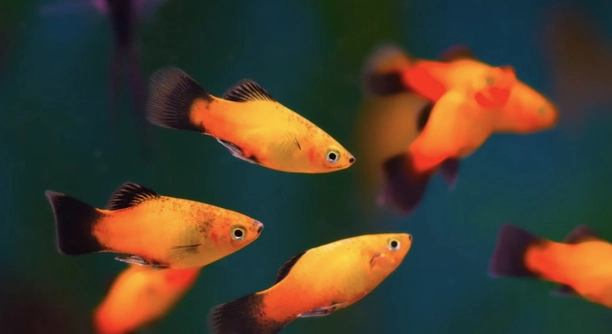
Platies are popular freshwater fish that bring color and life to many home aquariums. Their behavior can sometimes be puzzling, especially when they act shy during feeding time. This article explores why your platy might be hiding instead of coming out to eat.
Platies often hide at feeding time due to stress, water quality issues, or tank environment factors. Poor water conditions or the presence of aggressive tank mates can cause fear or discomfort, making them seek shelter rather than feed openly.
Understanding these reasons can help you create a more comfortable environment for your platy. This guide will provide simple steps to encourage your fish to feel safe and active during feeding.
Common Reasons Platies Hide During Feeding
Platies are sensitive to changes in their environment, which can make them shy away at feeding time. One common reason is water quality. Poor water conditions, like high ammonia or nitrite levels, stress fish and make them seek hiding spots. Another factor is tank mates. If other fish are aggressive or overly competitive, platies may avoid feeding to stay safe. Additionally, sudden loud noises or too much light near the tank can startle them. Platies also prefer familiar routines. If feeding times or food types change suddenly, they might be hesitant to come out. Ensuring your tank mimics their natural habitat, with plenty of plants and hiding spaces, can help them feel more secure. Regularly checking water parameters and observing tank dynamics are essential for keeping platies comfortable and willing to eat openly.
Stress and discomfort are the main reasons platies hide, often caused by poor water quality or aggressive companions.
Adjusting water conditions, creating a calm tank environment, and maintaining consistent feeding habits can encourage platies to be more active and less fearful at feeding time.
How to Improve Your Platy’s Feeding Behavior
Platies respond well to stable environments with low stress. Start by testing the water weekly for ammonia, nitrites, and nitrates, and perform regular water changes to keep conditions optimal. Avoid overcrowding your tank; too many fish increase competition and stress. Choose peaceful tank mates that don’t intimidate your platy. Adding live plants and hiding spots creates safe areas that help reduce anxiety. Feeding small amounts multiple times a day can prevent food fights and ensure all fish get their share. Also, try feeding them at the same time daily to build a routine they recognize. Using high-quality, varied food like flakes, pellets, and occasional live or frozen treats keeps them interested and nourished. By making these adjustments, your platy will feel safer and more confident, showing more natural feeding behavior over time.
Tank Setup and Its Impact on Platy Behavior
A well-arranged tank can make a big difference in how your platy behaves during feeding. Platies need hiding spots to feel secure but also open spaces to swim and feed comfortably. Balance is key.
Plants, rocks, and decorations provide shelter from aggressive fish or bright lights. Too many hiding places, however, may cause your platy to stay hidden most of the time, especially during feeding. Make sure to leave enough open areas near feeding spots so they can come out easily. Proper lighting is also important—platies prefer moderate light levels that mimic their natural environment. Adjusting these elements improves their confidence, reducing hiding and encouraging feeding behavior.
Regular tank maintenance helps maintain water clarity, which influences their comfort. Cleaning the substrate and removing uneaten food prevents waste buildup that can stress fish. Keeping the tank stable and welcoming makes a noticeable difference in your platy’s willingness to come out at feeding time.
Feeding Techniques to Encourage Activity
Feeding habits influence your platy’s willingness to eat openly. Smaller, more frequent feedings reduce competition and stress among fish. Offer food slowly to avoid overwhelming them.
Using a feeding ring or specific spot helps fish learn where to expect food. This consistency creates a routine and reduces hesitation. Mixing food types keeps feeding time interesting—flakes, pellets, and occasional live or frozen treats provide variety and nutrients. Watch how much your platy eats and avoid overfeeding, as leftover food can harm water quality and fish health. Offering food gently and calmly helps your platy associate feeding time with safety.
Involving these simple feeding methods creates a calmer environment, making your platy more comfortable and visible when it’s time to eat.
Signs of Stress in Platies
Platies show stress by hiding, reduced appetite, and erratic swimming. These signs often appear when their environment is not ideal.
Other signs include faded colors, clamped fins, and gasping at the surface. Noticing these early helps prevent serious health issues.
How Water Quality Affects Feeding
Poor water quality causes stress that makes platies hide during feeding. Ammonia and nitrite spikes are particularly harmful.
Maintaining clean water with regular testing and changes keeps platies healthy and active. Stable water parameters encourage confident feeding behavior.
Adjusting Lighting to Reduce Hiding
Bright or sudden lighting can frighten platies, making them hide. Using dim or natural light settings helps fish feel safe.
Providing shaded areas or floating plants softens the light and encourages your platy to come out during feeding.
FAQ
Why does my platy hide even when the tank looks fine?
Sometimes, water parameters may seem fine at a glance but still have small fluctuations that stress your platy. Changes in temperature, pH, or ammonia levels that are just outside their comfort zone can cause hiding. Also, shy behavior can be linked to new or aggressive tank mates that intimidate your fish, even if the tank looks peaceful. Environmental factors like sudden noise or vibrations near the tank can also frighten them. It helps to monitor water quality regularly and observe interactions with other fish closely to identify hidden stressors.
How can I tell if my platy is healthy besides feeding behavior?
A healthy platy will swim actively and display bright colors. Look for clear eyes, intact fins, and smooth scales without spots or lesions. Regular breathing, without gasping at the surface, is a good sign. If your platy interacts normally with tank mates and explores the tank instead of staying hidden all the time, it usually means they are healthy. Sudden changes in behavior or appearance often signal illness or stress.
Can changing the diet help with feeding time hiding?
Yes, offering a varied diet can stimulate interest in feeding. Platies enjoy flakes, pellets, and live or frozen foods like brine shrimp or daphnia. If they’re hiding, trying different foods in smaller amounts might encourage them to come out. Avoid overfeeding, which can cause water quality problems and reduce their appetite. Feeding at the same times every day also helps them develop a routine and feel secure during feeding.
Is tank size a factor in platy hiding?
Tank size can influence your platy’s comfort. A cramped tank increases stress and aggression among fish, causing shy behavior. Platies thrive in tanks of at least 10 gallons with enough swimming space and hiding spots. Overcrowding reduces water quality and raises competition for food, making shy fish hide more often. Providing a spacious, well-planted environment supports natural behavior and reduces hiding.
How often should I clean the tank to keep my platy comfortable?
Regular maintenance is key. Partial water changes of 20-30% every one to two weeks keep water clean and stable. Cleaning the substrate to remove uneaten food and waste prevents harmful buildup. Avoid deep cleaning or changing everything at once, as sudden shifts in water chemistry stress fish. Use a good water conditioner to remove chlorine and chloramine from tap water. Keeping the tank consistently clean supports your platy’s health and confidence.
What role do tank mates play in platy feeding behavior?
Peaceful tank mates encourage open feeding. Aggressive or fast eaters may scare platies into hiding. Fish like guppies, mollies, or tetras generally get along well with platies. Avoid larger or territorial species that chase or nip at your platy. Observing interactions helps spot bullying. If a platy hides at feeding time, consider separating aggressive fish or upgrading to a larger tank to reduce stress.
Can lighting schedule affect my platy’s behavior at feeding time?
Yes, platies prefer a consistent lighting schedule that mimics natural day and night cycles. Sudden changes in brightness can startle them. Using a timer to keep light on for about 10-12 hours daily creates a calm environment. Dimming the lights slightly during feeding can help shy fish feel safer. Too bright or constant lighting may cause stress and hiding. Floating plants or shaded areas also soften harsh light.
How long does it take for a shy platy to feel comfortable feeding openly?
This depends on the cause of hiding and your adjustments. With proper water quality, a calm tank environment, and consistent feeding routines, many platies start feeding openly within a week or two. Patience is important; sudden changes might increase stress. Slowly introducing changes and observing your fish’s response will help them build confidence and reduce hiding behavior over time.
Platies are gentle and colorful fish that bring life to any aquarium. When they hide during feeding time, it often signals discomfort or stress. Understanding the reasons behind this behavior helps in creating a better environment for your platy. Factors such as water quality, tank setup, and feeding habits all play a role in their willingness to come out and eat. By addressing these issues carefully, you can help your fish feel safer and more confident in their home.
Maintaining good water conditions is one of the most important steps. Regular testing and water changes keep harmful substances low and ensure your platy’s tank is a healthy place. A well-balanced tank with peaceful tank mates and plenty of hiding spots creates a comfortable environment. Feeding your platy small amounts of varied food at regular times helps them develop a routine and reduces stress during feeding. Lighting also matters; softer, consistent light helps platies feel secure.
Each platy is unique and may respond differently to changes, so patience is necessary. Improving their environment gradually can lead to better feeding behavior and overall health. Observing your platy closely and making small adjustments will encourage it to become more active and visible during feeding time. With time and care, your platy will feel safe enough to enjoy its meals without hiding.

Hello,
If you enjoy the content that we create, please consider saying a "Thank You!" by leaving a tip.
Every little bit helps us continue crafting quality advice that supports the health, happiness, and well-being of pets around the world, for pets of all shapes, sizes, and species.
We really appreciate the kindness and support that you show us!