
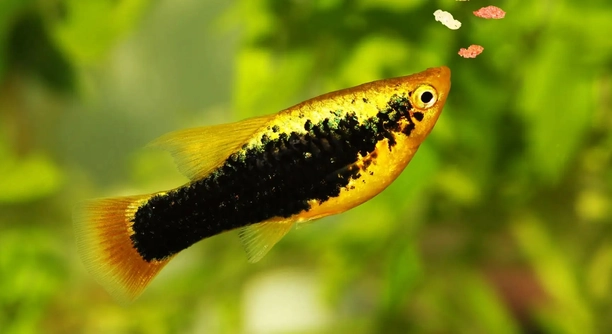
Is your platy swimming strangely or appearing stuck in one place? Many fish owners notice this behavior and wonder what might be causing it. This can be unsettling, especially when you want your fish to stay healthy and active.
Platies acting like they are stuck usually indicate stress, illness, or environmental problems. Common causes include poor water quality, lack of oxygen, swim bladder issues, or infections. Addressing these factors promptly helps restore normal behavior and fish health.
Understanding why your platy behaves this way can help you take the right steps to improve its condition. The following details will guide you through common reasons and practical solutions to support your fish’s well-being.
Common Causes of Platy Acting Stuck
Platies can act stuck for several reasons. Poor water quality is one of the most frequent issues. High ammonia, nitrite, or nitrate levels can stress fish and cause them to behave abnormally. Inadequate oxygen levels in the tank also make fish sluggish and appear stuck. Another common problem is swim bladder disorder, which affects their ability to swim normally. Parasites and bacterial infections can cause discomfort, making your platy stay still or cling to objects. Sometimes, changes in temperature or sudden disturbances in the tank environment can lead to this behavior. Monitoring your tank’s conditions and maintaining regular cleaning routines are essential to keep your fish healthy and active.
Maintaining good water conditions is the simplest way to prevent your platy from acting stuck.
Regular water testing and cleaning help reduce toxins. Proper aeration keeps oxygen levels steady. Avoid sudden temperature changes. Treat infections promptly with appropriate medication. Watching your fish daily will let you spot problems early.
How to Improve Your Platy’s Behavior
If your platy seems stuck, the first step is to check your tank’s water quality. Use a water test kit to measure ammonia, nitrites, and nitrates. Make sure these are within safe ranges. Perform partial water changes if levels are high. Check the temperature to ensure it stays between 72°F and 78°F, which is ideal for platies. Increase aeration by adding an air stone or adjusting the filter to boost oxygen levels. If you notice signs of illness, such as white spots or unusual marks, treat the tank with an appropriate aquarium medication. Quarantine sick fish to prevent spreading disease. Finally, reduce stress by minimizing sudden movements around the tank and avoiding overcrowding. These actions support your platy’s recovery and return to normal swimming behavior.
Signs Your Platy Needs Attention
When a platy acts stuck, it may be showing signs of stress or illness. Look for unusual behavior like resting at the bottom, floating oddly, or rubbing against tank surfaces. Changes in appetite or faded colors can also indicate a problem.
Observing your platy closely helps catch issues early. If it stays still for long periods or struggles to swim, these are red flags. Swim bladder problems often cause floating on one side or sinking. Parasites may make your fish scratch against decorations. Poor water quality might lead to rapid gill movement or gasping at the surface. Noticing these signs quickly allows you to respond and improve your fish’s condition.
Consistent tank maintenance and monitoring fish behavior are key to keeping your platy healthy. Acting promptly when you see these signs can prevent worsening health and support recovery.
Preventing Future Problems
Keeping your platy healthy starts with stable tank conditions. Avoid overcrowding to reduce stress and maintain clean water through regular changes. A balanced diet also supports their immune system.
Regular water tests prevent toxic buildup, while stable temperatures avoid stress. Adding live plants can improve oxygen and provide hiding spots, which reduce anxiety. Observe your fish daily to notice subtle changes in behavior or appearance.
Avoid sudden changes in environment or aggressive tank mates that might cause stress. Proper care routines not only prevent health issues but also encourage your platy to swim actively and behave normally. These efforts create a comfortable habitat where your fish can thrive.
Common Environmental Stressors
Changes in water temperature, sudden loud noises, or strong vibrations can stress your platy. These factors may cause your fish to freeze or act stuck temporarily.
Poor lighting or overcrowding also add to stress. Ensuring a calm and stable environment helps your platy feel secure and swim freely.
Treating Swim Bladder Issues
Swim bladder problems can make a platy float uncontrollably or sink to the bottom. Overfeeding or constipation often causes this condition. Fasting your fish for a day or two can help clear the digestive tract. Feeding peas (with skins removed) sometimes relieves constipation. Maintain excellent water quality to reduce infection risks. If the problem persists, medication may be necessary. Regular observation and adjusting feeding habits prevent future swim bladder troubles.
When to Seek Expert Help
If your platy’s condition does not improve within a few days, consulting a veterinarian is recommended.
FAQ
Why does my platy stay at the bottom of the tank?
Platies may stay at the bottom when they feel stressed, sick, or uncomfortable. Poor water quality, low oxygen levels, or swim bladder issues often cause this behavior. Sometimes, resting at the bottom helps fish recover energy when they feel weak or ill.
Can water temperature affect my platy’s behavior?
Yes, platies prefer water temperatures between 72°F and 78°F. Temperatures outside this range can cause stress, making them sluggish or act stuck. Sudden changes in temperature can shock them, so it’s important to keep the environment stable.
How often should I change the water for my platy?
It’s best to do partial water changes of 20-25% weekly. This helps keep toxins like ammonia and nitrates low. Regular changes maintain good water quality, which is key to preventing stress and illness in your fish.
What are the signs of swim bladder disease?
Signs include difficulty swimming, floating upside down, sinking to the bottom, or swimming sideways. Overfeeding or constipation often cause this, but infections can also affect the swim bladder.
How can I treat swim bladder problems at home?
Try fasting your platy for one to two days. After fasting, feed a cooked pea (without skin) to help relieve constipation. Make sure water quality is good and temperature is stable. If symptoms continue, consider medication or consult a vet.
Can my platy recover from infections?
Yes, many infections are treatable if caught early. Use appropriate antibacterial or antiparasitic medications as directed. Quarantine sick fish to prevent spreading infection and maintain excellent water quality.
Why does my platy act stuck but then suddenly swim normally?
This behavior may indicate temporary stress or mild discomfort. Changes in water parameters or environment can cause brief inactivity. Once the fish adjusts or conditions improve, it returns to normal swimming.
Is overcrowding harmful to platies?
Overcrowding increases stress and competition for resources like food and oxygen. It can lead to aggressive behavior and weakened immune systems. Keeping an appropriate number of fish per tank size supports better health.
What should I feed my platy to keep it healthy?
Platies eat a mix of high-quality flakes, pellets, and occasional live or frozen foods like brine shrimp or bloodworms. A balanced diet supports their immune system and overall activity.
Can tank mates affect my platy’s behavior?
Yes, aggressive or territorial fish can stress platies, causing them to hide or act stuck. Choose peaceful, compatible species to keep your platy comfortable and active.
How do I know if my tank has low oxygen?
Signs include fish gasping at the surface, sluggish movement, or clinging near the filter outlet. Adding air stones or improving water circulation helps increase oxygen levels.
When is it necessary to see a vet for my platy?
If your platy’s behavior doesn’t improve after improving water quality, adjusting feeding, and treating minor issues, a vet visit is needed. Persistent illness or strange physical symptoms require professional diagnosis and care.
Can poor lighting cause platies to act stuck?
Yes, insufficient or too bright lighting can stress fish. Providing natural or moderate light helps maintain their normal activity patterns and reduces hiding or freezing behavior.
What are common mistakes that cause platies to act stuck?
Common errors include poor water maintenance, overfeeding, sudden temperature changes, overcrowding, and incompatible tank mates. Avoiding these improves your fish’s health and behavior.
How long does it take for a platy to recover from stress?
Recovery time depends on the cause and severity. Minor stress may resolve in a day or two, but illnesses can take weeks. Maintaining good care speeds recovery and prevents relapse.
This FAQ covers many concerns related to your platy’s stuck behavior. Following these tips can improve your fish’s health and help you enjoy a lively aquarium.
When a platy acts like it is stuck, it usually signals that something in its environment or health needs attention. Stress, water quality issues, swim bladder problems, or infections are common reasons for this behavior. Paying close attention to the conditions in the tank and the fish’s actions can help you identify what might be wrong. Regular care, including water testing, tank cleaning, and feeding the right diet, plays a big role in preventing these problems. Addressing issues early on often leads to a quicker recovery and keeps your fish comfortable and active.
Maintaining a stable and healthy environment is key to keeping platies swimming freely. Avoid overcrowding the tank and keep water temperature within the recommended range. Proper aeration ensures enough oxygen is available, while regular water changes remove harmful toxins. If your platy shows signs of illness or abnormal behavior, taking immediate action is important. Simple steps like fasting the fish briefly, adjusting feeding habits, or using appropriate medications can make a difference. If the situation does not improve, seeking advice from a professional can provide the necessary support.
Caring for platies involves observing them regularly and responding to changes in their behavior quickly. Creating a peaceful tank environment with compatible tank mates and stable conditions reduces stress and encourages healthy swimming habits. Understanding the common causes of a platy acting stuck helps you react effectively and keeps your fish happy. With consistent care and attention, your platy can thrive and display its natural, lively behavior.

Hello,
If you enjoy the content that we create, please consider saying a "Thank You!" by leaving a tip.
Every little bit helps us continue crafting quality advice that supports the health, happiness, and well-being of pets around the world, for pets of all shapes, sizes, and species.
We really appreciate the kindness and support that you show us!