
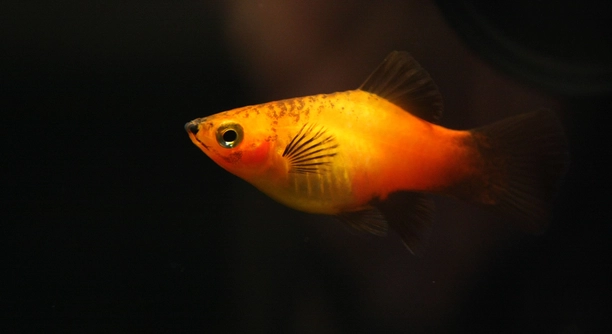
Is your platy swimming aimlessly, hiding more than usual, or showing signs that seem unusual for its normal behavior?
The most common reason your platy appears lost is due to stress or environmental imbalance. Poor water quality, sudden tank changes, or lack of companionship can trigger disoriented behavior, leading to erratic swimming or inactivity.
Understanding what triggers this behavior can help you restore your platy’s comfort and create a healthier, more stable environment in your aquarium.
Common Reasons Your Platy Seems Lost
Platys can start acting strange when something disrupts their routine. A sudden change in water temperature, pH levels, or the introduction of new tank mates can stress them out. Stress can lead to odd behaviors like glass surfing, hiding, or erratic swimming patterns. Poor water quality is often the root cause. Ammonia, nitrite, and nitrate levels can fluctuate quickly, especially in smaller tanks or overstocked setups. Loud noises, aggressive fish, or a lack of hiding spots can also affect how secure your platy feels. Even small changes, like shifting tank décor or changing their feeding schedule, may cause confusion.
Look closely at their environment before assuming something serious is wrong.
Platy fish are sensitive to changes in their surroundings. If your fish is acting confused or distant, the issue may be linked to its immediate living conditions. Addressing this quickly helps reduce stress and restores normal behavior.
How to Help Your Platy Feel Comfortable Again
Start by checking your tank’s water parameters.
A good way to help your platy regain its calm behavior is by ensuring the tank water is clean, stable, and properly maintained. Test for ammonia, nitrite, and nitrate levels weekly. A proper filter system should be running, and water changes should be done regularly—at least 25% every week. Keep your platy in a tank with plenty of hiding places like live plants or decorations. These give your fish security when it feels overwhelmed. Avoid placing aggressive fish in the same tank, and always monitor how tank mates interact. Also, keep feeding times consistent. Overfeeding or irregular feeding can throw off your platy’s sense of routine. Reducing loud noises around the tank also makes a difference. Small steps like dimming the room lights at night or adding more foliage can help your fish feel safer and more at ease.
Signs Your Platy Is Stressed or Confused
A platy that acts lost may swim in circles, stay near the surface, or isolate itself. You might also notice color fading or a lack of appetite. These are often clear signs that something isn’t right.
Paying attention to body language can help you figure out what’s going on. A platy that hides constantly may feel threatened or overwhelmed by its surroundings. If it’s darting around quickly or pressing against the glass, it could be reacting to poor water conditions. Loss of interest in food might suggest an illness or stress. Flashing—where the fish rubs against objects—is often tied to irritation from parasites or water issues. Any change in movement, position in the tank, or interaction with tank mates usually points to a bigger issue.
Behavioral changes usually show up before physical symptoms. Keeping track of daily habits helps you notice problems early. It makes a real difference when something is wrong.
Tank Conditions That Can Affect Behavior
A platy needs clean, balanced water to stay healthy. Sudden shifts in temperature or pH can leave it feeling disoriented. Crowding, bright lights, or lack of plants may also cause stress.
Keep your tank temperature steady between 72°F and 78°F. A reliable heater and thermometer can help avoid sudden shifts. The pH level should stay between 6.8 and 8.0. Test strips are easy to use and can help you stay on top of things. Avoid placing too many fish in the same tank—platys need space to swim freely. Add some live or artificial plants for hiding, and don’t overdo the lighting. Bright lights for long hours can overwhelm them. A simple setup with soft lighting, proper filtration, and routine care gives your platy the calm environment it needs to stay active and relaxed. These changes may seem small, but they’re often enough to correct odd behaviors.
Social Factors That May Influence Behavior
Platys are social and enjoy the company of their kind. If kept alone or in groups that are too small, they may act withdrawn or confused. A lack of interaction can lead to unusual swimming or hiding.
Aggressive tank mates can also cause fear and confusion. Even if they’re not being attacked, platys will sense tension and stay on alert. This stress can make them appear lost or uninterested in their surroundings.
Feeding Habits and Their Impact
Feeding your platy the wrong amount or type of food can change how it behaves. Overfeeding can pollute the tank and affect the water, leading to stress. Underfeeding may cause weakness, making the platy seem slow or lost. Stick to high-quality flakes or pellets made for tropical fish, and supplement occasionally with blanched vegetables or frozen treats. Feed once or twice a day in small amounts your fish can finish in under two minutes. Watch how your platy eats—if it’s not interested or spits out food, something may be wrong. A consistent feeding routine supports both health and calm behavior.
When to Consider Illness
If your platy’s behavior doesn’t improve after correcting the tank and routine, illness might be the cause. Look for signs like clamped fins, labored breathing, or white spots. These may need quick treatment.
FAQ
Why is my platy swimming erratically?
Erratic swimming often results from stress or poor water conditions. Your platy might be reacting to sudden changes in temperature, pH imbalance, or toxins like ammonia. It could also be frightened by aggressive tank mates or loud noises nearby. Make sure your tank environment is stable and peaceful.
How can I tell if my platy is stressed?
Signs of stress include hiding for long periods, loss of appetite, faded colors, or unusual swimming patterns like darting or swimming near the surface. Flashing, where the fish rubs against objects, can indicate irritation. Regularly check water quality and observe tank conditions to reduce stress.
Can tank mates affect my platy’s behavior?
Yes, platys prefer peaceful companions. Aggressive fish or overcrowded tanks create tension, causing platys to act withdrawn or restless. Avoid mixing them with large or aggressive species and provide enough space and hiding spots for all fish to feel secure.
Is my platy lost because it is lonely?
Platys are social fish and do better in groups of at least three to five. A solitary platy may appear confused or inactive. Keeping a small group helps promote natural behavior and reduces stress-related issues.
What water conditions are best for platys?
Platys thrive in water temperatures between 72°F and 78°F, with a pH of 6.8 to 8.0. Ammonia and nitrite should always be at zero, and nitrate kept low. Use a reliable heater, filter, and test kits to maintain these conditions consistently.
Could poor diet make my platy act lost?
Yes, feeding issues can impact behavior. Overfeeding leads to dirty water and stress, while underfeeding causes weakness. Provide a balanced diet with high-quality flakes or pellets and occasional fresh vegetables or frozen foods. Feed small amounts once or twice daily.
How often should I clean my platy’s tank?
Perform partial water changes of 20-30% weekly to keep water clean. Clean filters as needed but avoid full tank cleanings that disrupt beneficial bacteria. Regular maintenance keeps the environment stable and healthy.
What should I do if my platy shows signs of illness?
If your platy has clamped fins, white spots, lethargy, or labored breathing, isolate it if possible. Test water quality immediately and consider appropriate medication based on symptoms. Early treatment is key to recovery.
Can sudden changes in the tank cause my platy to act confused?
Yes, abrupt changes such as moving decorations, switching water sources, or introducing new fish can unsettle your platy. Keeping a consistent routine and making changes slowly helps your fish adjust better.
Is lighting important for my platy’s behavior?
Proper lighting affects fish well-being. Too bright or constant light can cause stress, while dim or natural lighting encourages normal activity. Use a timer to simulate a natural day-night cycle for a calmer environment.
How do hiding spots influence my platy’s comfort?
Hiding spots provide safety and reduce stress. Plants, caves, or decorations help platys feel secure, especially when feeling threatened. Lack of hiding places may lead to nervous or lost behavior.
Why does my platy sometimes stay at the surface?
Staying near the surface can mean your platy is seeking oxygen due to poor water quality. Check for low oxygen levels or high ammonia and nitrite. Improving filtration and aeration often solves this issue.
Can temperature fluctuations confuse my platy?
Yes, sudden temperature changes can disrupt your platy’s metabolism and behavior. Use a stable heater and avoid placing the tank near drafts or heating vents to maintain consistent warmth.
What is flashing behavior in platys?
Flashing is when a fish rubs its body against tank objects. It usually indicates irritation from parasites, poor water quality, or injury. Check water parameters and inspect your platy for signs of disease.
How long does it take for a stressed platy to recover?
Recovery time varies but typically takes a few days to a week once the environment is stable and stressors are removed. Providing clean water, proper diet, and peaceful surroundings speeds healing.
Should I quarantine new fish before adding them to the tank?
Yes, quarantining new fish for at least two weeks helps prevent disease spread and reduces stress on your platy. This practice protects all your fish and maintains a healthy tank.
Understanding why your platy might be acting lost can save you a lot of worry. Often, the behavior points to something simple, like changes in water quality or stress from the environment. Platys are sensitive fish that depend on a stable and calm habitat to feel safe. When things change suddenly, whether it’s the water temperature, the tank setup, or the fish around them, they may act confused or hide more than usual. Paying close attention to their behavior and surroundings helps catch problems early and makes it easier to fix them. Small adjustments can quickly bring your platy back to its normal, lively self.
Maintaining the right tank conditions is key. Regular water testing and partial water changes keep the environment healthy and free of harmful chemicals. Keeping the water temperature steady and within the recommended range prevents stress that can lead to odd behavior. It’s also important to provide plenty of hiding spots and keep the tank peaceful by choosing compatible tank mates. Feeding your platy a balanced diet in the right amounts supports its health and reduces the risk of behavior changes caused by poor nutrition or water pollution. Routine care and attention to details like lighting and noise levels can improve your fish’s overall well-being.
If your platy continues to act lost despite your efforts, it might be a sign of illness. Watch for physical symptoms like faded colors, clamped fins, or spots on the body. Early detection and treatment are important for recovery. Quarantining new fish before adding them to the tank helps prevent introducing diseases. Remember, consistent care, patience, and observation are the best ways to keep your platy happy and healthy. By providing a stable environment and meeting its basic needs, you give your fish the best chance to thrive and show its true personality.

Hello,
If you enjoy the content that we create, please consider saying a "Thank You!" by leaving a tip.
Every little bit helps us continue crafting quality advice that supports the health, happiness, and well-being of pets around the world, for pets of all shapes, sizes, and species.
We really appreciate the kindness and support that you show us!