
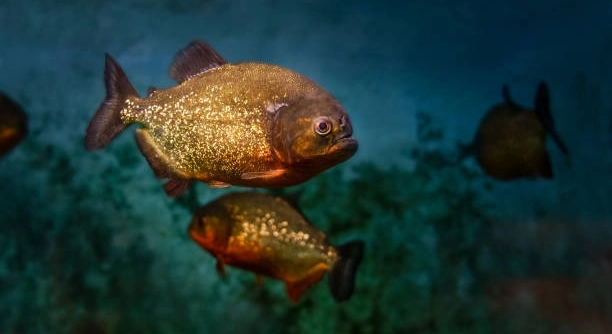
Is your piranha spending most of its time hiding behind the filter instead of swimming freely? This behavior can be common for many piranhas, especially when they feel stressed or insecure in their environment. Understanding why they do this helps in caring for them better.
Piranhas often hide behind filters due to stress, poor water conditions, or feeling threatened. These fish seek shelter in areas that provide safety, such as behind filters where the water flow creates cover. Ensuring proper tank setup and water quality reduces this hiding behavior.
Recognizing the reasons behind your piranha’s hiding can improve its well-being and tank conditions, making it more active and comfortable in its home.
Common Reasons Piranhas Hide Behind the Filter
Piranhas often hide behind the filter because they feel insecure or stressed. This can happen if the tank is too small, lacks enough hiding spots, or if the water quality is poor. Filters create strong currents and noises that can be intimidating, but they also offer shelter. When the tank does not mimic their natural environment, piranhas retreat to areas that feel safer. Overcrowding or aggressive tank mates may also cause a piranha to hide. Additionally, sudden changes in temperature or lighting can trigger this behavior. If the water parameters are unstable, piranhas tend to stay hidden to avoid stress. Ensuring the tank is large enough and well-maintained helps reduce hiding. Adding plants, caves, or decorations can provide alternative hiding places and make your piranha feel more secure.
In some cases, hiding is normal behavior, especially for younger or newly introduced piranhas. They need time to adjust.
Proper tank setup is key to encouraging more natural, active behavior in your fish.
Improving Your Piranha’s Environment
Improving the tank environment can encourage your piranha to explore more and hide less.
Start by checking water quality regularly, including temperature, pH, ammonia, and nitrate levels. Maintaining stable water conditions is critical for reducing stress. Adding more decorations like rocks or plants gives your piranha safe spots that do not interfere with swimming space. Avoid overcrowding the tank and choose compatible tank mates to lower aggression. Providing a balanced diet also supports their health and reduces stress-related hiding. Avoid sudden changes in light or temperature, and maintain a consistent schedule for feeding and cleaning. Gradually introducing changes helps your piranha adjust without panic. Observing your fish closely can indicate if the environment is improving or if further changes are needed. Over time, a well-balanced tank encourages more active and confident behavior.
Patience and attention to these factors will lead to a happier piranha that spends less time hiding and more time swimming.
How Water Quality Affects Hiding Behavior
Poor water quality often causes piranhas to hide behind filters. High ammonia, nitrite, or nitrate levels can stress fish and lead to retreating behavior. Regular water testing is essential to catch problems early and maintain a healthy tank environment.
Maintaining clean water involves regular partial water changes and monitoring filtration systems. Filters should be cleaned without disturbing beneficial bacteria. Temperature must stay within the recommended range for piranhas, usually between 75°F and 82°F. Sudden shifts can increase stress, causing more hiding. Proper aeration and circulation help maintain oxygen levels, which reduces discomfort. When water quality is good, piranhas feel more secure and are less likely to hide excessively.
Water parameters can fluctuate unexpectedly if the tank is overcrowded or overfed. Overfeeding increases waste, leading to poor water conditions. Keep the feeding routine balanced and avoid overstocking. Consistent maintenance improves water quality and encourages your piranha to be more active and visible.
Tank Size and Space Considerations
Tank size directly influences how comfortable a piranha feels. A small tank restricts movement and increases stress, causing hiding behavior. Piranhas require a minimum of 20 gallons per fish to thrive.
Providing ample swimming space allows piranhas to establish territories without feeling threatened. Crowding leads to competition and forces fish to seek shelter behind objects like filters. Larger tanks also dilute toxins and maintain better water stability. Ensure there is enough room for plants and hiding spots without overcrowding the tank. The layout should balance open swimming areas with safe retreats.
A well-sized tank reduces aggression and stress, improving your piranha’s overall health. Giving your fish enough space encourages natural behavior and less hiding, creating a more enjoyable aquarium experience.
Stress from Tank Mates
Aggressive or incompatible tank mates cause piranhas to hide. Stress from constant threats or bullying makes hiding a survival strategy.
Choosing peaceful or similar-sized fish reduces stress. Avoid overcrowding to minimize competition and tension in the tank.
Lighting and Hiding Behavior
Bright or inconsistent lighting can make piranhas feel exposed and unsafe. Low or dim lighting encourages natural behavior and reduces hiding.
Adjust lighting gradually and use timers for consistency. Avoid sudden flashes or strong light changes that can startle fish.
Feeding Routine Impact
Irregular feeding schedules or insufficient food cause stress and hiding. Piranhas rely on routine and enough nutrition to feel secure.
Consistent feeding with balanced portions helps reduce anxiety and encourages activity. Avoid overfeeding to maintain water quality and fish health.
Signs Your Piranha Is Adjusting
When hiding decreases and swimming increases, your piranha is becoming more comfortable. Healthy appetite and clear eyes also show positive adjustment.
Why does my piranha hide behind the filter all the time?
Piranhas hide behind the filter mainly because they feel stressed or threatened. The filter creates a quiet, protected space with flowing water, which can feel like a safe refuge. Stress can come from poor water quality, aggressive tank mates, or an environment that lacks enough hiding spots. Hiding is a natural instinct to avoid danger or discomfort.
Is it normal for piranhas to hide a lot?
Yes, it is normal, especially when piranhas are new to a tank or if their surroundings change. They need time to adjust and feel safe. However, excessive hiding might indicate stress, illness, or poor tank conditions that should be addressed.
How can I improve my piranha’s environment to reduce hiding?
Maintaining stable water conditions is essential. Test the water regularly for ammonia, nitrites, nitrates, and pH levels. Provide a tank that is large enough with plenty of swimming space, along with plants or decorations for hiding that don’t crowd the tank. Avoid aggressive tank mates and maintain a consistent feeding routine.
What water parameters are best for piranhas?
Piranhas thrive in water with a temperature between 75°F and 82°F. The pH should be slightly acidic to neutral, around 6.5 to 7.5. Ammonia and nitrite levels should always be zero, and nitrate kept under 20 ppm. Stable water quality is important to reduce stress and hiding.
Can poor water quality cause hiding?
Yes, poor water quality causes stress and discomfort, which leads piranhas to hide. High levels of toxins or sudden changes in temperature or pH are common triggers. Regular water changes and good filtration help keep the tank clean and the fish healthy.
Do tank mates affect hiding behavior?
Absolutely. Aggressive or incompatible tank mates create a stressful environment. Piranhas may hide to avoid fights or intimidation. Choosing compatible species and avoiding overcrowding can reduce stress and encourage your piranha to be more active.
How big should a tank be for piranhas?
Each piranha needs at least 20 gallons of space. A larger tank provides room to swim, establish territory, and avoid constant contact with other fish. Space reduces stress and hiding behaviors.
Does lighting affect hiding?
Bright or fluctuating lighting can make piranhas feel exposed and stressed, prompting them to hide. Dim or natural lighting helps fish feel safer and more comfortable. Using timers to keep lighting consistent reduces sudden shocks.
What role does feeding play in hiding?
Irregular feeding or insufficient food can increase stress, causing hiding. Piranhas are more confident when they receive a consistent diet with balanced portions. Overfeeding, however, can worsen water quality, so moderation is key.
Can hiding mean my piranha is sick?
Yes, hiding can be a sign of illness. If your piranha is hiding more than usual, appears lethargic, or shows other signs like discoloration or loss of appetite, a health issue may be present. Quarantine and consult an expert if needed.
How long does it take for a piranha to stop hiding?
Adjustment time varies. Some piranhas may become comfortable within a week, while others take several weeks or longer. Creating a stable, stress-free environment speeds up this process.
Should I move my piranha if it hides too much?
Moving a piranha can increase stress unless the current tank conditions are poor. It is better to improve the existing environment first with water tests, tank size, and decorations. Relocation should be a last resort.
Can piranhas live without hiding places?
Piranhas naturally seek shelter. A tank without hiding spots increases stress and aggressive behavior. Including plants, rocks, or caves improves their comfort and reduces constant hiding behind the filter.
How often should I clean my filter if my piranha hides behind it?
Clean the filter monthly but avoid over-cleaning, which can remove beneficial bacteria. Proper filter maintenance keeps water quality stable and reduces hiding caused by poor conditions.
Is it normal for juvenile piranhas to hide more?
Yes, younger piranhas tend to hide more as they are smaller and more vulnerable. They gradually become bolder as they grow and settle into the tank.
What decorations are best for hiding spots?
Smooth rocks, driftwood, and live or artificial plants provide good hiding places. Avoid sharp or rough objects that could injure your piranha. Decorate the tank to balance hiding spots and open swimming areas.
Final Thoughts
Piranhas hiding behind the filter is a common behavior that often signals how they feel about their environment. Stress, poor water quality, or discomfort can cause them to seek refuge in quieter, safer areas of the tank. Understanding the reasons behind this behavior helps improve their living conditions and overall well-being. Taking simple steps like monitoring water quality, providing enough space, and choosing appropriate tank mates can reduce hiding and promote healthier, more active fish.
Maintaining a stable and clean environment is key to keeping piranhas comfortable. Regular water testing and partial water changes prevent the buildup of harmful toxins that cause stress. The tank should be large enough to allow swimming space, and it should include hiding spots that feel safe but do not overcrowd the area. Lighting should be consistent and not too bright, which helps fish feel secure. Feeding routines also play a role; consistent and balanced meals help piranhas maintain energy and reduce anxiety.
Every piranha is different, and some may take longer to adjust than others. Patience is important when caring for these fish. Observing their behavior regularly can help detect signs of stress or illness early. Creating a calm and stable environment will encourage your piranha to explore more and hide less. In the end, attention to these details improves the health and happiness of your fish, making the aquarium a more pleasant space for both you and your piranha.

Hello,
If you enjoy the content that we create, please consider saying a "Thank You!" by leaving a tip.
Every little bit helps us continue crafting quality advice that supports the health, happiness, and well-being of pets around the world, for pets of all shapes, sizes, and species.
We really appreciate the kindness and support that you show us!