
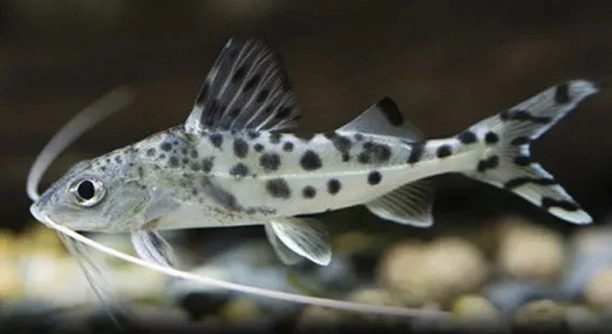
Is your Pictus catfish swimming in figure eights and leaving you wondering why? This unusual behavior can catch the attention of many fish owners. Understanding what causes it helps ensure your fish stays healthy and comfortable in its tank.
Pictus catfish swim in figure eights primarily due to territorial behavior, environmental stress, or attempts to communicate with other fish. This repetitive motion can indicate discomfort or an effort to establish dominance within their aquatic space.
Observing your fish’s behavior closely can reveal important clues about its environment and well-being. The following information will help you understand this swimming pattern and how to support your Pictus catfish’s health.
Reasons Behind Figure Eight Swimming
Pictus catfish may swim in figure eights for several reasons. One common cause is territorial behavior. In an aquarium, space is limited, and fish often establish boundaries to feel secure. When these boundaries are challenged, your Pictus might swim in repetitive patterns to assert dominance or warn others. Another reason is stress, which can come from poor water conditions, overcrowding, or sudden changes in the environment. Stress causes abnormal behaviors as the fish tries to cope. Sometimes, this swimming pattern happens because the fish is trying to get attention or communicate with tank mates. It may also indicate boredom or lack of stimulation in the tank. Providing hiding spots and enough space usually helps reduce this behavior and improves their comfort.
Recognizing why your fish swims this way can help you improve its habitat. Small changes often make a big difference in their well-being.
Watching your Pictus catfish carefully will help you notice other signs of stress or discomfort. Consistently checking water quality, ensuring proper tank size, and maintaining a calm environment are essential steps to reduce repetitive swimming. Adding plants or decorations can provide stimulation, keeping the fish mentally engaged. If the behavior continues despite changes, consulting an aquatic specialist may be necessary to rule out illness. Understanding these factors ensures your Pictus stays healthy and happy. Adjustments to their surroundings can significantly improve their quality of life.
How to Improve Your Pictus Catfish’s Environment
To reduce figure eight swimming, focus on creating a stable and comfortable habitat. Maintain clean water by performing regular water changes and monitoring parameters such as pH, ammonia, and nitrate levels. Avoid overcrowding your tank and provide sufficient space for your fish to swim freely. Adding plants, rocks, or caves can help your Pictus feel secure and reduce stress. These additions also offer mental stimulation, preventing boredom. Keep the tank environment calm by limiting loud noises and sudden movements around the aquarium. Consistent lighting with a natural day-night cycle supports normal fish behavior. Adjusting these factors encourages healthier activity patterns and a more relaxed fish.
Improving the environment requires attention to details but results in a happier fish. Careful observation and gradual adjustments support your Pictus catfish’s well-being.
A good environment is the foundation of healthy fish behavior. Ensure the tank is large enough to accommodate your Pictus catfish’s active nature. Regularly test the water to keep conditions stable and avoid toxic buildup. Avoid sudden temperature changes, as Pictus prefer consistent warmth between 75 and 80 degrees Fahrenheit. Introducing tank mates should be done cautiously, choosing compatible species to minimize stress and competition. Enrich the tank with natural décor to mimic their habitat, providing hiding places that offer comfort. Monitoring their diet is also important; a balanced diet supports their energy and reduces anxiety-driven behaviors. Combining these steps creates an environment where your fish can thrive and swim naturally without repetitive patterns.
Monitoring Behavior Patterns
Consistently watching your Pictus catfish’s swimming helps identify changes or stress signs early. Pay attention to how often the figure eight swimming happens and any other unusual actions.
Frequent figure eight swimming could signal discomfort or illness. If this pattern increases, it’s important to check water quality and tank conditions immediately. Sometimes, changes in behavior coincide with illness or poor water parameters. Tracking behavior over time helps you notice subtle shifts that may need intervention. Taking notes or videos can assist in identifying triggers or improvements as you adjust their environment.
Behavior patterns can also be influenced by interactions with other fish. Aggressive tank mates or overcrowding may increase repetitive swimming as a coping mechanism. Isolating your Pictus temporarily or rearranging tank decorations can sometimes reduce stress. Keep observing how these changes affect your fish’s movement to ensure the behavior improves naturally.
Feeding and Its Impact on Swimming
Diet plays a role in how active and comfortable your Pictus catfish feels. Feeding them a balanced diet suited to their species supports normal behavior and reduces stress-related swimming patterns.
Overfeeding or poor-quality food can lead to digestive issues, making your fish restless or lethargic. This may cause more erratic swimming, including figure eights. Feeding smaller amounts more frequently, along with high-quality sinking pellets or live food, encourages natural foraging behavior. Proper nutrition helps maintain energy levels and keeps your fish calm and healthy.
Sometimes, feeding time itself can trigger repetitive swimming if the fish becomes overly excited or competitive. Feeding in several spots or spreading food evenly across the tank reduces this reaction. Watching how your Pictus responds to feeding will help you adjust their diet and schedule for better behavior overall.
Tank Size and Space
A tank that is too small can cause your Pictus catfish to swim in figure eights out of frustration or stress. These fish need room to move freely and establish their territory.
Providing at least a 30-gallon tank helps reduce this behavior by giving them enough space. Larger tanks allow natural swimming patterns and reduce competition among fish.
Signs of Illness to Watch For
Abnormal swimming patterns like figure eights can sometimes indicate illness. Look for additional signs such as loss of appetite, faded colors, or clamped fins. Early detection helps prevent serious health problems and ensures timely treatment.
Tank Mates and Social Behavior
Pictus catfish are generally peaceful but may react to aggressive or overly active tank mates by swimming repeatedly. Choosing compatible species reduces stress and encourages normal behavior.
Keeping fish with similar temperaments promotes a balanced environment where your Pictus can thrive without resorting to repetitive swimming.
FAQ
Why does my Pictus swim in figure eights only sometimes?
Pictus catfish may swim in figure eights occasionally due to temporary stress or environmental changes. If the behavior appears sporadically, it could be a response to factors like sudden noise, feeding times, or new tank decorations. These brief episodes usually do not indicate serious problems if the fish otherwise behaves normally.
Is figure eight swimming harmful to my Pictus catfish?
Figure eight swimming itself is not harmful, but it can be a sign of underlying stress or discomfort. If this behavior is frequent and accompanied by other symptoms such as loss of appetite or lethargy, it is important to check tank conditions and health to prevent possible illness.
Can tank size affect this swimming pattern?
Yes, tank size plays a big role. Pictus catfish are active swimmers and need enough space to move freely. A small or overcrowded tank limits their movement and can cause repetitive swimming behaviors like figure eights out of frustration or territorial defense.
What water conditions help reduce stress and repetitive swimming?
Maintaining clean water with stable parameters reduces stress. Keep ammonia and nitrite levels at zero and nitrates low. A temperature between 75 and 80 degrees Fahrenheit is ideal. Regular water changes and good filtration help create a healthy environment where your fish feel secure.
Could illness cause figure eight swimming?
Yes, illness may cause abnormal swimming patterns. Parasites, infections, or internal issues can make your fish swim erratically. Watch for other signs like clamped fins, unusual spots, or changes in appetite. If illness is suspected, consulting a vet or aquatic specialist is recommended.
Do tank mates influence this behavior?
Tank mates can influence how your Pictus behaves. Aggressive or overly active fish might stress your catfish, leading to repetitive swimming as a coping mechanism. Choose peaceful species and avoid overcrowding to create a calm, balanced tank.
How can feeding routines impact swimming patterns?
Feeding routines affect activity levels. Overfeeding or poor-quality food can cause discomfort or digestive problems, leading to restless swimming. Feeding smaller portions multiple times a day with quality sinking pellets or live food promotes natural behavior and reduces stress.
Is boredom a reason for figure eight swimming?
Yes, boredom can cause repetitive swimming. A dull tank without enough hiding places or stimulation might lead your Pictus to swim in patterns to pass time. Adding plants, caves, or decorations provides mental stimulation and reduces this behavior.
Should I isolate my Pictus if it swims in figure eights?
Isolation is usually not necessary unless your fish shows signs of illness or severe stress. Sometimes, temporarily separating your Pictus can help if aggressive tank mates are causing stress. Always monitor behavior closely before and after isolation.
How long should I monitor this behavior before taking action?
Observe your fish for several days to a week. If figure eight swimming is frequent, intense, or accompanied by other symptoms, it’s time to investigate water quality, tank conditions, diet, or health issues. Early action helps prevent bigger problems.
Can changing the tank setup reduce this behavior?
Yes, rearranging decorations or adding plants can help break repetitive swimming habits. New hiding spots or visual barriers reduce stress and make your Pictus feel more secure. Avoid sudden or drastic changes; instead, make adjustments gradually.
Are figure eight swimming patterns normal for Pictus catfish?
While occasional figure eight swimming can be normal, consistent repetitive patterns are usually a sign of stress or environmental issues. Healthy, comfortable fish tend to swim in more natural, varied ways rather than fixed loops.
What are some signs that my Pictus is happy and healthy?
A healthy Pictus catfish swims actively without repetitive patterns, eats well, interacts peacefully with tank mates, and shows bright colors with intact fins. They rest calmly in hiding spots when not active and respond naturally to feeding and stimuli.
Can lighting affect my fish’s swimming behavior?
Lighting impacts fish comfort. Too bright or constantly lit tanks can stress Pictus catfish, causing abnormal behavior. Provide a natural day-night cycle with moderate lighting and some shaded areas in the tank to help your fish feel safe and relaxed.
Is it normal for Pictus to swim at the surface in figure eights?
Pictus catfish usually swim near the bottom or middle of the tank. Swimming in figure eights at the surface may indicate poor water quality or oxygen levels. Check water parameters and aeration if this behavior is observed regularly.
Final Thoughts
Understanding why your Pictus catfish swims in figure eights can help you create a better environment for your fish. This behavior often signals that the fish is experiencing stress, discomfort, or is trying to communicate. It is not always a sign of illness, but it should never be ignored. Regular observation of your fish’s habits will give you important clues about their well-being. When you notice repetitive swimming patterns, check the tank conditions, water quality, and tank mates. Small changes in these areas can make a significant difference in how your fish behaves.
Maintaining a proper tank environment is key to reducing figure eight swimming. Ensuring that your aquarium is large enough, clean, and well-decorated with hiding spots helps your Pictus feel secure and less stressed. Stress from overcrowding or aggressive tank mates often triggers repetitive swimming, so it is important to choose compatible fish and provide enough space. Feeding your Pictus a balanced diet also supports their health and behavior. Paying attention to these details can help your catfish swim naturally and enjoy a comfortable habitat.
If you continue to see this behavior frequently, it may be a sign to look deeper into your fish’s health. Illness or parasites can cause abnormal swimming, so watch for other signs like changes in appetite, appearance, or energy levels. If needed, seek advice from aquatic professionals or veterinarians familiar with fish care. Overall, staying attentive and making thoughtful adjustments in the tank will help your Pictus catfish live a healthier and more relaxed life. Your effort to understand and respond to their needs is essential for their long-term happiness.

Hello,
If you enjoy the content that we create, please consider saying a "Thank You!" by leaving a tip.
Every little bit helps us continue crafting quality advice that supports the health, happiness, and well-being of pets around the world, for pets of all shapes, sizes, and species.
We really appreciate the kindness and support that you show us!