
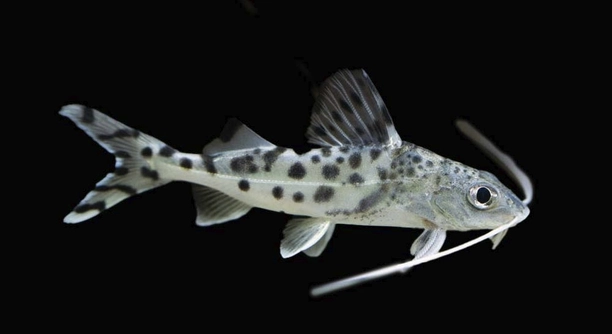
Many Pictus catfish owners notice their fish suddenly swimming upward, which can be puzzling. These lively fish usually stay near the bottom, so changes in behavior can catch your attention quickly. Understanding why this happens is important for their well-being.
Pictus catfish swim upward suddenly mainly due to changes in water quality, oxygen levels, or stress. They may also be exploring or reacting to feeding times. Identifying the cause is essential to maintain a healthy environment for your fish.
Recognizing the reasons behind this behavior helps you take better care of your Pictus catfish and keeps them happy in your aquarium. This article will explain common causes and solutions for upward swimming.
Common Reasons for Upward Swimming in Pictus Catfish
Pictus catfish usually swim near the bottom of the tank, so when they swim upward suddenly, it often signals something is off. One common reason is low oxygen levels in the water. These fish rely on good oxygen to breathe, and if the water lacks it, they swim upward to get closer to the surface, where oxygen is higher. Another reason can be stress from overcrowding or sudden changes in the environment. They might also react to changes in water temperature or poor water quality. Sometimes, they swim upward when searching for food or exploring. It’s important to check water conditions regularly and keep the tank clean to prevent these issues. Watching for other signs, like gasping or erratic swimming, can help you catch problems early and keep your fish healthy.
Poor water quality or oxygen levels are often behind your Pictus catfish swimming upward suddenly.
Watching your fish carefully can help spot any health or tank issues early and improve their comfort.
How to Improve Tank Conditions for Your Pictus Catfish
Ensuring the tank water is clean and well-oxygenated is key to preventing unwanted upward swimming. Regular water changes help remove waste and toxins that can stress fish. Adding an air pump or increasing surface agitation improves oxygen levels. Make sure the tank isn’t overcrowded, as too many fish reduce oxygen and cause stress. Keep the water temperature steady, ideally between 74°F and 79°F (23°C to 26°C). Testing the water regularly for ammonia, nitrite, and nitrate levels can prevent dangerous buildups. Providing hiding spots helps your fish feel safe, reducing stress. Feeding should be done carefully to avoid overfeeding, which pollutes the water. Monitoring these factors keeps your Pictus catfish comfortable and less likely to show unusual swimming behavior. A calm, balanced tank environment is essential for their well-being.
Behavior Changes Due to Stress
Stress can cause Pictus catfish to swim upward suddenly. Changes in their environment or handling can make them uneasy.
Stress in fish often results from sudden water parameter shifts, loud noises, or aggressive tankmates. These factors disrupt their comfort and natural routine, leading to unusual swimming patterns like moving toward the surface.
Stress also weakens their immune system, making them vulnerable to illness. It’s important to maintain a stable environment, avoid sudden changes, and keep the tank quiet. Ensuring compatible tankmates and providing plenty of hiding places can reduce stress. Regularly monitoring behavior helps catch signs early and improve fish health.
Feeding Habits and Upward Swimming
Pictus catfish often swim upward when they expect food. This behavior can seem sudden but is normal during feeding times.
They rely on their keen senses to detect food and may swim toward the surface if they associate that area with feeding. Over time, they learn feeding schedules and swim upward in anticipation. However, feeding too much or irregularly can cause stress and water quality problems.
Offering small, frequent meals helps prevent overeating and keeps the water cleaner. Feeding sinking pellets or wafers also encourages natural bottom feeding behavior. Watching how your fish respond during feeding can reveal if swimming upward relates to hunger or other issues.
Oxygen Levels and Their Impact
Low oxygen levels make Pictus catfish swim near the surface more often. This behavior helps them access more oxygen.
Poor aeration or overcrowding lowers oxygen in the water, causing fish to seek air at the top. It’s a clear sign to improve tank conditions quickly.
Tank Maintenance Tips
Regular cleaning and partial water changes keep the tank healthy. Removing waste and uneaten food prevents toxins from building up. Proper filtration also maintains good water quality, essential for your fish’s comfort and normal behavior.
Illness Signs to Watch For
Swimming upward can sometimes signal illness. Look for other signs like lethargy, clamped fins, or unusual spots on the body. Promptly addressing illness improves recovery chances.
FAQ
Why is my Pictus catfish swimming upward suddenly?
Your Pictus catfish may swim upward because of low oxygen levels in the tank, stress from sudden changes, or water quality issues. Sometimes, they swim up when they expect food or are exploring. Checking water parameters and tank conditions usually helps identify the reason quickly.
Is it normal for Pictus catfish to swim near the surface sometimes?
Yes, it can be normal if they are searching for food or exploring their environment. However, if this behavior happens often or looks frantic, it might signal stress or poor water conditions that need attention.
How can I tell if my fish is stressed?
Stress signs include erratic swimming, loss of appetite, hiding more than usual, and clamped fins. Your Pictus catfish might also swim upward more frequently. Keeping a stable, quiet tank with hiding places reduces stress.
What water parameters are best for Pictus catfish?
Pictus catfish prefer water temperatures between 74°F and 79°F (23°C to 26°C), pH around 6.5 to 7.5, and low levels of ammonia, nitrites, and nitrates. Regular testing helps maintain these safe ranges.
How often should I change the water?
Changing 20-30% of the water weekly helps keep toxins low and oxygen high. This supports fish health and prevents stress behaviors like swimming upward to find better oxygen.
Can overfeeding cause upward swimming?
Yes. Overfeeding pollutes the water, lowering oxygen and causing stress. Feeding small amounts once or twice daily with sinking pellets supports natural behavior and water quality.
What tank size is best for Pictus catfish?
A tank of at least 30 gallons is recommended. They are active swimmers and need space. Overcrowding reduces oxygen and increases stress, which may cause them to swim upward more often.
Should I add an air pump to improve oxygen?
An air pump or a filter that agitates the water surface increases oxygen levels. This helps prevent your fish from seeking oxygen at the surface and promotes healthier behavior.
What should I do if my Pictus catfish shows signs of illness?
Isolate the sick fish if possible and check water quality immediately. Common treatments depend on the illness but often include improving water conditions and using fish-safe medications. Consulting a vet or fish expert can be helpful.
Can tankmates affect my Pictus catfish’s swimming behavior?
Yes, aggressive or overly active tankmates can stress Pictus catfish. This stress may cause unusual swimming patterns like swimming upward. Choose peaceful, compatible fish to maintain harmony.
How can I make my tank more comfortable for Pictus catfish?
Provide hiding spots with plants or decorations, maintain clean water, stable temperature, and avoid sudden changes. A calm, balanced environment helps reduce stress and keeps natural behaviors.
Why does my Pictus catfish swim upward more at night?
Some fish become more active at night and may explore different tank areas, including the surface. However, if this behavior increases significantly, it might point to oxygen issues or stress.
Can poor lighting cause unusual swimming?
Lighting that is too bright or inconsistent can stress fish, leading to strange behaviors like swimming upward. Use moderate lighting and provide shaded areas to keep fish comfortable.
Is it possible for Pictus catfish to get used to feeding times?
Yes, they often learn to expect food at certain times and swim toward the surface when feeding is near. Keeping a regular feeding schedule helps manage this behavior.
What are the signs of low oxygen besides swimming upward?
Besides swimming near the surface, fish may gasp for air, become lethargic, or cluster near water inflows. Improving aeration and water circulation usually fixes this quickly.
When your Pictus catfish suddenly starts swimming upward, it can feel concerning at first. This change in behavior often points to something in their environment that needs attention. Common causes include low oxygen levels, stress, or changes in water quality. Taking the time to observe your fish closely and check your tank’s conditions helps you understand what might be wrong. Small adjustments like improving aeration, doing regular water changes, and maintaining stable water parameters often solve the problem. These simple actions keep your fish comfortable and healthy.
Stress plays a big role in your Pictus catfish’s behavior. Loud noises, sudden movements around the tank, or aggressive tankmates can make them uneasy. When fish feel stressed, they may swim in unusual ways, including moving toward the surface. Providing hiding places and keeping the environment calm can reduce their stress. Also, feeding your fish the right amount at regular times helps keep them relaxed. Watching your fish regularly will help you notice signs of stress early, so you can act before problems grow.
Keeping a well-maintained tank is the best way to prevent your Pictus catfish from swimming upward out of discomfort or health issues. Regular water tests, cleaning, and proper filtration create a stable home for your fish. Remember that fish rely on their environment to stay healthy, and even small changes can affect their behavior. By paying attention and providing consistent care, you give your Pictus catfish the best chance to thrive. This helps them stay active, happy, and swimming normally in your aquarium.

Hello,
If you enjoy the content that we create, please consider saying a "Thank You!" by leaving a tip.
Every little bit helps us continue crafting quality advice that supports the health, happiness, and well-being of pets around the world, for pets of all shapes, sizes, and species.
We really appreciate the kindness and support that you show us!